- Education Cabinet Secretary Julius Migos Ogamba has held talks with the Global Peace Foundation on holistic education.
- The discussions explored strengthening character, integrity, peace and responsible citizenship within Kenya’s evolving education system.
- Hillary Muhalya examines why values and competencies are becoming increasingly important alongside academic achievement.
Kenya is placing greater emphasis on character, integrity, peace and critical thinking as the country advances the nationwide implementation of Competency-Based Education (CBE), with the Ministry of Education seeking to ensure that learning produces not only academically capable young people but also responsible citizens.
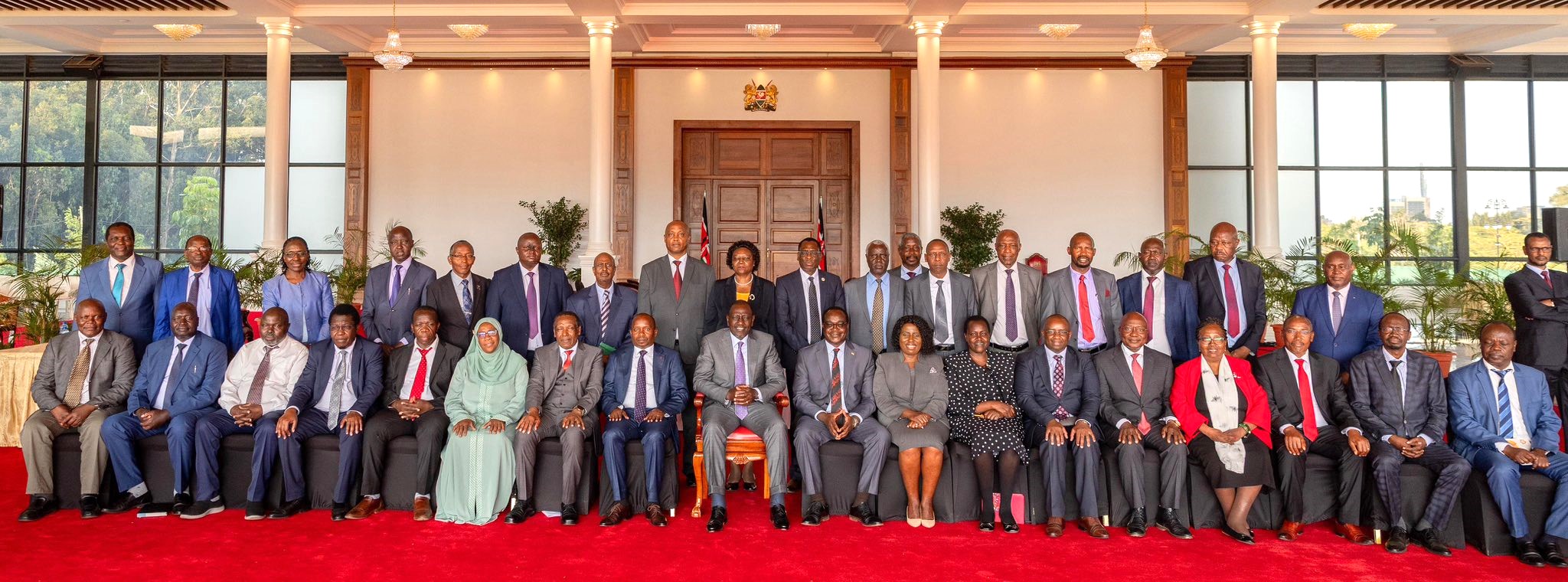
Education Cabinet Secretary Julius Migos Ogamba held discussions with the leadership of the Global Peace Foundation on possible areas of collaboration to strengthen holistic education and deepen the development of values within Kenya’s education system.
The engagement comes as the country continues to transition towards an education approach designed to equip learners with competencies, skills, values and attitudes that can be applied beyond the classroom.
At the centre of the discussions was the need to integrate values, peace education and character formation more deliberately into learning, enabling schools to nurture learners who can think critically, relate responsibly with others and make sound decisions in an increasingly complex society.
The proposed collaboration also reflects a growing recognition that academic achievement alone cannot fully prepare young people for the demands of the 21st century.
Preparing learners for a changing world
Learners are entering a world shaped by rapid technological advancement, changing workplaces, social transformation and increasingly complex global challenges. This requires an education system capable of developing creativity, adaptability, communication, collaboration, ethical judgement and problem-solving alongside academic knowledge.
For Kenya, the values component is particularly significant because schools remain important spaces for shaping responsible citizenship. Through structured learning experiences and supportive school environments, learners can develop respect for others, responsibility, empathy, integrity and peaceful approaches to resolving disagreements.
The discussions between the Ministry and the Global Peace Foundation therefore focused not only on curriculum content but also on the wider school environment and the role of teachers in nurturing well-rounded learners.
Teachers remain central to the success of any education reform. Beyond delivering lessons, they influence learners through mentorship, guidance, classroom interactions and the values they demonstrate in their daily work.
Strengthening teachers with appropriate support and resources could therefore play an important role in translating the principles of holistic education into practical experiences for learners across the country.
Building positive school environments
The partnership discussions also examined opportunities to support schools in creating environments where learners can develop both academic and social competencies.
A positive school environment can provide learners with opportunities to participate, collaborate, resolve conflicts constructively and develop a stronger sense of belonging and responsibility.
The approach is consistent with the broader objective of ensuring that education prepares learners for life rather than concentrating exclusively on academic performance.
As CBE continues to take root, the emphasis on holistic development could become an important measure of the success of the reform. The ultimate question is not simply whether learners acquire knowledge, but whether they can use that knowledge, skills and values responsibly in their communities and workplaces.
The Ministry of Education has reiterated its commitment to an education system that develops the whole person. This includes supporting learners to achieve academically while developing the character, competencies and sense of purpose required to make a positive contribution to society.
The engagement with the Global Peace Foundation consequently points to a broader vision for Kenyan education—one in which classrooms become spaces for academic growth, character development, peaceful coexistence, responsible citizenship and preparation for an increasingly changing world.
READ ALSO: MoE pledges review of TTC concerns on funding, infrastructure and CBTE implementation
For the millions of Kenyan learners moving through the education system, the ambition is clear: education must prepare them not only to earn a living, but also to live responsibly, work with others and contribute meaningfully to the future of the country.
By Hillary Muhalya
You can also follow our social media pages on Twitter: Education News KE and Facebook: Education News Newspaper for timely updates.
>>> Click here to stay up-to-date with trending regional stories
>>> Click here to read more informed opinions on the country’s education landscape
>> Click here to stay ahead with the latest national news.