The Kenya Comprehensive Schools Heads Association (KECSHA) National Chairman, Feud Ali, has called for unity and sustained support for the implementation of comprehensive schools, describing the model as a transformative step in Kenya’s education system.
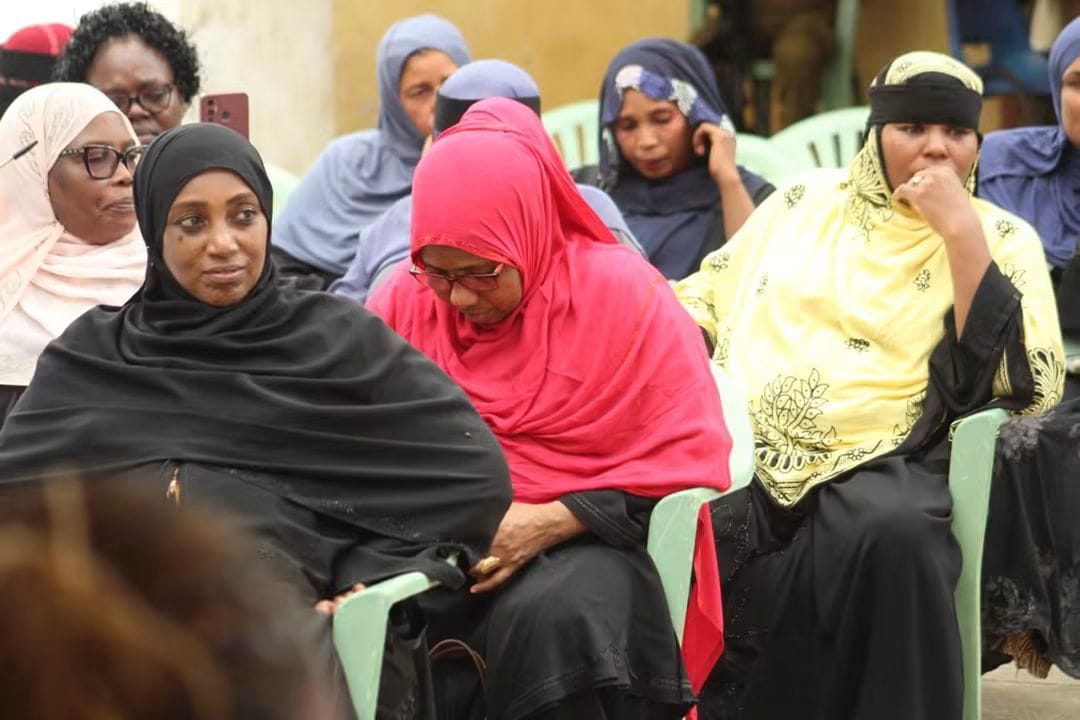
Speaking during a well-attended Nyanza regional conference, Ali was received with enthusiasm by the Governing Council, steering committee, and delegates who had gathered at the stadium for the event.
The conference began with remarks from KECSHA National Secretary Irine Yiale, who commended the Presidential Working Party on Education Reforms for its role in ensuring a smooth transition of the first cohort of Junior Secondary School learners to senior school.
“We appreciate the dedication of teachers and school heads who have ensured a seamless transition for learners under the new system,” said Yiale.
She also lauded Comprehensive School headteachers for their commitment and professionalism, noting that their efforts have been instrumental in stabilising the ongoing reforms.
Taking to the podium, Ali expressed gratitude to the Nyanza region for organising what he termed a successful and impactful conference.
“It is a great honour to join the people of Nyanza today. This conference reflects the unity and commitment we need to move our education sector forward,” he said.
The chairman emphasised that all schools have now transitioned into comprehensive institutions, integrating Early Childhood Development (ECD), primary, and junior school levels under one leadership structure.
“The comprehensive school model is now fully recognised by both the Teachers Service Commission and the Ministry of Education, and it is working,” he noted.
Ali urged all headteachers across the country to formally register with KECSHA at the county level, stating that the association is strengthening its structures to effectively advocate for members.
“We want every headteacher to be a bona fide member of KECSHA so that we can represent and lobby effectively on their behalf,” he said.
On policy matters, the chairman called on Members of Parliament to support the upcoming Sessional Paper on Education, emphasising the need for practical reforms that will benefit learners and institutions.
“We must focus on policies that strengthen what is already working instead of introducing unnecessary disruptions in the system,” he stated.

He further dismissed calls for autonomy in school management, arguing that such proposals could lead to confusion and inefficiency in the education sector.
Ali also raised concerns over the shortage of Grade Nine textbooks in some schools, urging the government to prioritise resource allocation to support the implementation of the Competency-Based Curriculum (CBC).
Despite the challenges, he maintained that the comprehensive school structure remains the best path forward for the country’s education system.
He assured teachers that their concerns had been presented to relevant authorities, including the Teachers Service Commission and the presidency, adding that progress was being made.
READ ALSO:KECSHA leaders back presidential working party recommendations on Junior School reforms
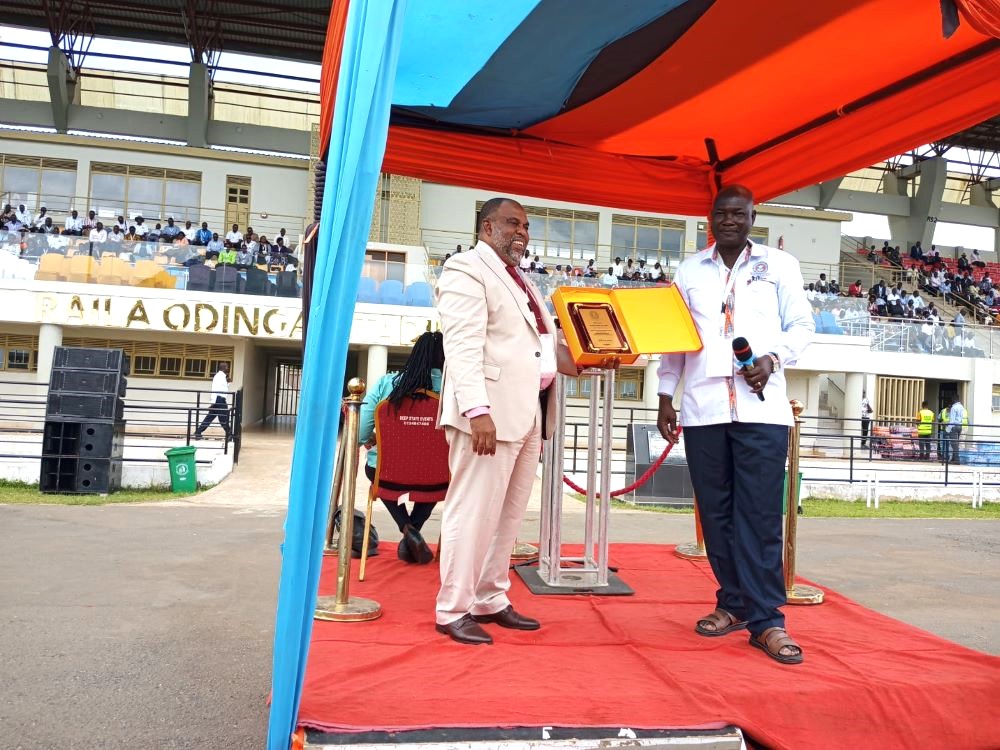
The event culminated in Ali receiving a Presidential Award in recognition of his leadership and contribution to the education sector.
As the conference came to a close, he called for continued collaboration between the government, communities, and education stakeholders to ensure the success of ongoing reforms.
“Together, we can build a strong and sustainable education system that serves all Kenyan children,” he concluded.
What is a Comprehensive School?
| Aspect | Explanation |
|---|---|
| Definition | A comprehensive school is an institution that combines multiple levels of education under one system and leadership. |
| Levels Covered | Includes Pre-Primary (ECD), Primary School, and Junior Secondary School (JSS) in one institution. |
| Purpose | To provide continuous, seamless learning for students without frequent transitions between schools. |
| Under CBC | Introduced under the Competency-Based Curriculum to support structured learner progression. |
| Leadership Structure | Managed by one Headteacher/Principal to ensure coordination and consistency across levels. |
| Key Goal | Improve efficiency, resource sharing, and learner support within the same institution. |
| Advantages | – Smooth transition between grades – Better monitoring of learners – Shared facilities and teachers – Stronger school identity |
| Challenges | – Increased administrative workload – Need for more infrastructure (classrooms, labs) – Demand for trained teachers across levels |
| Why Introduced | To align education with modern needs and reduce disruptions caused by moving between different schools. |
| Example in Kenya | Many former primary schools now host Grade 7–9 (Junior Secondary) within the same compound. |
By Martin Omuga
You can also follow our social media pages on Twitter: Education News KE and Facebook: Education News Newspaper for timely updates.
>>> Click here to stay up-to-date with trending regional stories
>>> Click here to read more informed opinions on the country’s education landscape
>>> Click here to stay ahead with the latest national news.