- Kapchesewes Charitable Children Institution has embraced Kenya’s transition from institutional to family-based care for children.
- The Marakwet West institution is exploring its transition into a temporary rescue centre under the national care reforms.
- Government officials say vulnerable children should remain in institutions only when suitable family-based alternatives are unavailable.
Kapchesewes Charitable Children Institution in Marakwet West has embraced the Government’s care reform programme aimed at transitioning children from institutional care to family- and community-based care.
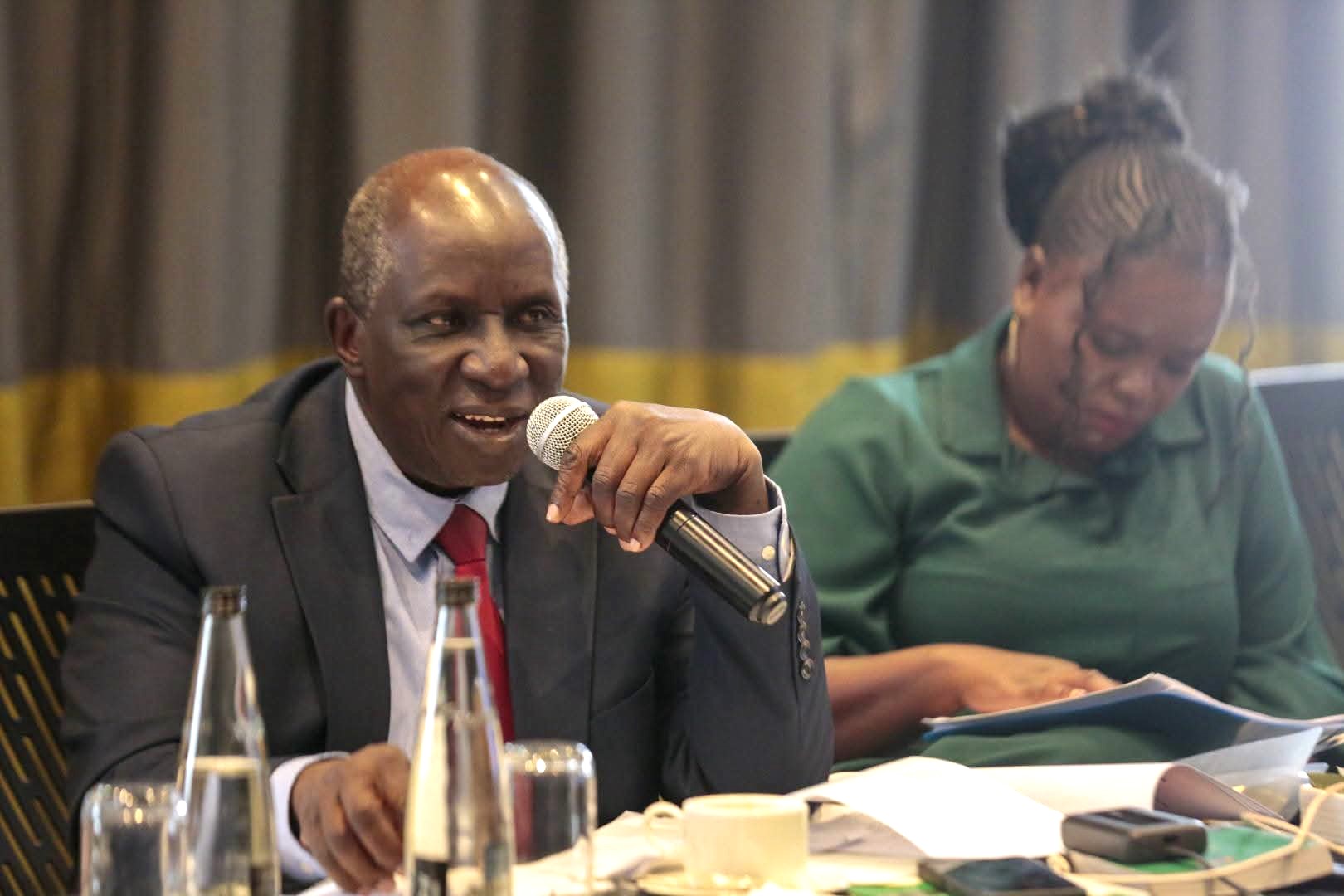
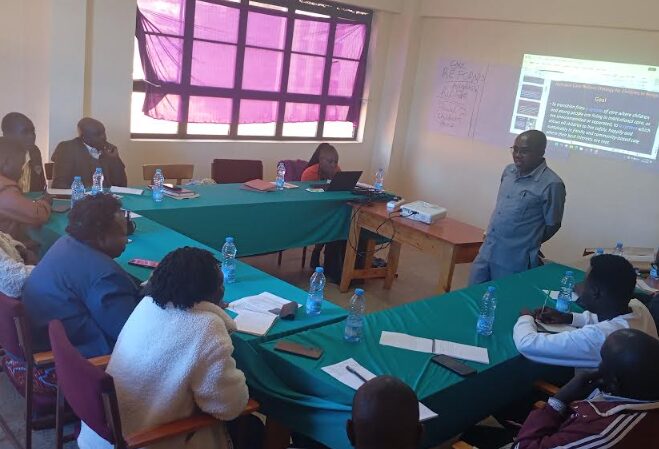
The commitment was made during an engagement meeting between the Kapchesewes CCI Board of Management and officials from the State Department for Children Welfare Services under the Ministry of Gender, Culture and Children Services in Kapsowar.
Kapchesewes CCI, which is run by the African Inland Church (AIC), is the only charitable children’s institution in Elgeyo Marakwet County and has already started exploring ways of transitioning into a temporary rescue centre.
County Children Coordinator Julius Yator said the county was a front-runner in care reform, noting that having only one CCI provided an opportunity to demonstrate how children could be supported outside institutional settings.
“Kapchesewes CCI has bought into the idea of transitioning children from institutional care to family care. Elgeyo Marakwet is a front-runner in care reform because we have only one CCI, but we must continue working together to ensure there is no backsliding,” Yator said.
He likened children’s homes to hospitals, saying they should only provide temporary support as children are prepared for placement in suitable families and communities.
“A children’s home should be like a hospital. It should be a temporary place for transition and not a permanent residence for a child,” he said.
Yator said family separation was often driven by inadequate support, adding that strengthening families and communities would help address the underlying causes that push children into institutional care.
He clarified that care reform did not mean abandoning vulnerable children or shutting down child protection services.
“Transitioning is a different kind of care; it is not closure. It is in alignment with existing laws, and there are no negotiations on it. The process should also be open and accountable,” Yator said.
Officials from the State Department said their mandate was primarily to regulate CCIs and enforce standards rather than provide financial support to institutions.
They stressed the need for regular inspections and oversight to ensure children are protected from exploitation and institutions operate within the law.
The officials said reintegration should be gradual, noting that successfully transitioning even two or three children into suitable families in a year would constitute an important achievement.
Stakeholders were also reminded that institutional care should only be considered after family- and community-based alternatives have been exhausted.
The reform framework provides for alternative care options, including kinship care, guardianship, foster care and adoption, alongside other family- and community-based approaches.
Kapchesewes explores transition to rescue centre
Under the National Care Reform Strategy for Children in Kenya 2022–2032, the Government is working to transition children from institutional care to family- and community-based care.
The Children Act, 2022 also provides for the transition of existing charitable children’s institutions, while children’s rescue centres provide temporary care for children in need of care and protection pending placement in alternative care or other interventions.
Timothy Kirui of the Ministry of Education said Kapchesewes CCI was already moving towards becoming a rescue centre and pledged the Ministry’s support.
“The Ministry of Education is ready to support this transition. We are ready, and we will carry the right information back home to ensure the reform process is properly understood and supported,” Kirui said.
Kapchesewes CCI Manager Abraham Kaino said the institution was ready to work with the Government.
“We will support the project to ensure that it goes on well and achieves its intended purpose of ensuring children receive the best form of care,” Kaino said.
AIC District Church Council Secretary Moses Chemweno said the church would comply with the law.
“There is no law that we can escape. We have to abide by the law, and as the church, we welcome the transition and will support the process,” Chemweno said.
Social worker Evans Kisut pledged to coordinate with the State Department and other relevant institutions to facilitate smooth transitions.
“We will work closely with the State Department and relevant institutions to ensure the transition of children is coordinated and carried out smoothly,” Kisut said.
Stakeholders also called on donors and development partners to channel their support towards programmes that strengthen families and communities rather than financing institutional care.
READ ALSO: Sengwer families fear Embobut evictions could disrupt children’s education, national exams
They said children could continue benefiting from donor support while living in family and community settings, with the best interests of every child remaining at the centre of the reform process.
By Kimutai Langat
Get more stories from our website: Education News
To write to us or offer feedback, you can reach us at: editor@educationnews.co.ke
You can also follow our social media pages on Twitter: Education News KE and Facebook: Education News Newspaper for timely updates.
>>> Click here to stay up-to-date with trending regional stories