As schools reopen for the second term, Muslim leaders have issued a strong warning over what they describe as a deepening financial crisis threatening Kenya’s education sector.
They caution that unless urgent measures are taken, the country risks a breakdown in learning systems that could affect an entire generation of students.
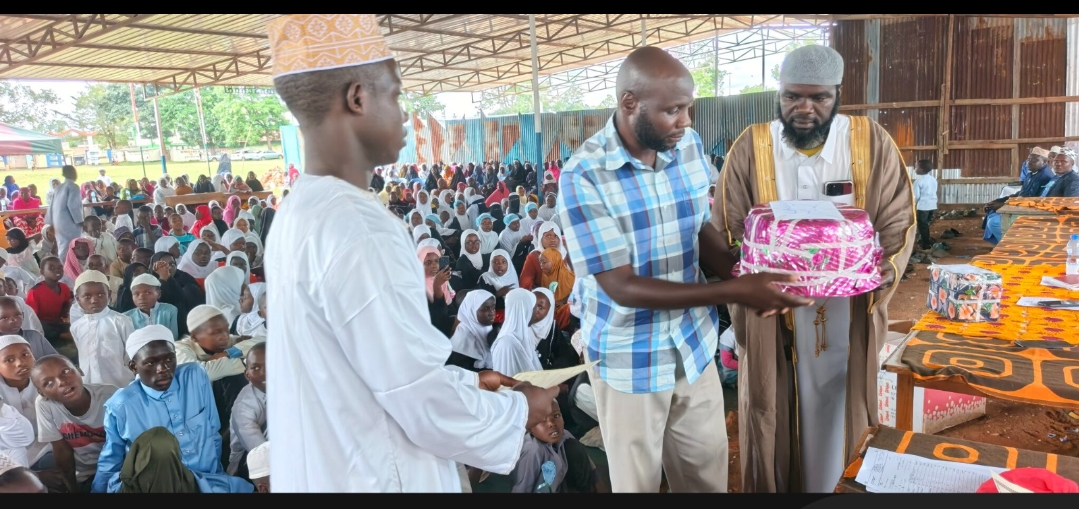
Speaking in Mumias during the closing ceremony of Answaar Madrasa, Mumias Muslim Community Chairman Ismail Muchelule painted a grim picture of the situation in schools.
He said many institutions are grappling with severe resource shortages, leaving learners exposed to poor conditions.
According to Muchelule, students are returning to schools that are unable to provide adequate meals, essential learning materials, or complete ongoing infrastructure projects.
He stressed that the government must act swiftly to increase funding and stabilize the sector before the crisis worsens.
The concerns come against the backdrop of a massive funding deficit in basic education, with a cumulative gap of KSh117 billion recorded between 2021 and 2025. This has significantly reduced the flow of capitation funds to schools, forcing administrators to operate under strained budgets.
Reports indicate that institutions are currently receiving only about 78 percent of the approved capitation.
By April 2026, the average funding per learner stood at KSh17,339, far below the required KSh22,244.
The gap has stalled critical development projects, including classrooms, laboratories, and sanitation facilities.
Education analyst Joel Olwenyi warned that the financial pressure is already taking a toll on the quality of education.
He noted that many schools are facing acute shortages of textbooks and laboratory equipment, while feeding programmes have been disrupted, placing vulnerable learners at risk of dropping out.
Olwenyi further highlighted that the cost of implementing the Competency-Based Curriculum (CBC) has intensified the strain, pushing schools to the edge.
He added that recent audits have uncovered irregularities in fund allocation, including cases where capitation was directed to non-existent institutions, leaving over one million learners without support.
With limited options, some school heads have resorted to seeking additional contributions from parents despite government directives prohibiting such levies.
During the event, Answaar Madrasa head teacher Sheikh Abdulkadir Jilo also raised concern over declining interest in religious education among local communities.
He urged parents to embrace both secular and religious learning, emphasizing that a balanced education equips children to serve effectively in society.
Kakamega governor Fernandes Barasa, represented by former MCA Suleiman Odanga, underscored the importance of religious grounding in shaping responsible citizens who contribute positively to national development.
Leaders are now calling on the National Treasury and the Ministry of Education to release delayed capitation funds, review per-learner allocations, and ensure adequate financing for CBC implementation.
READ ALSO: Muslim leaders appeal for construction of ECD centre
They warn that without decisive action, Kenya risks reversing gains made in education and undermining its long-term development goals under Vision 2030, as well as global commitments to providing quality and inclusive education for all.
By Odoyo Miranda
You can also follow our social media pages on Twitter: Education News KE and Facebook: Education News Newspaper for timely updates.
>>> Click here to stay up-to-date with trending regional stories
>>> Click here to read more informed opinions on the country’s education landscape
>>> Click here to stay ahead with the latest national news.