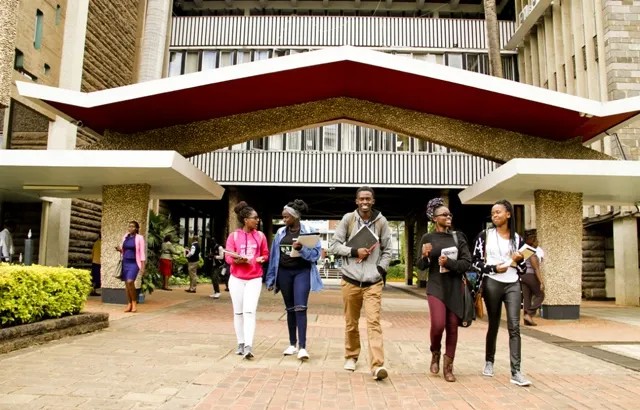
- First-year students and parents have been urged to approach campus reporting with financial discipline to avoid early-semester money struggles.
- Students have been advised to plan meals, avoid unnecessary peer pressure, and set aside an emergency fund to manage unexpected costs.
As thousands of students prepare to join universities and colleges across the country, parents and first-years are being urged to approach campus life with financial discipline, especially during the first few weeks.
For students joining campus on a tight budget, spending wisely from the beginning can make the difference between comfortably navigating the semester and struggling financially before the first month is over.
1. Don’t Rush to Buy Personal Belongings
From suitcases and mattresses to new clothes and other household items, students do not necessarily need to buy everything before reporting. Instead, join campus with the bare minimum and spend the first two weeks understanding what you actually need, where to buy it, and the prevailing prices. If you do not have a bed, for instance, you can make do with a mattress from home as you settle in.
Buying everything in advance can lead to unnecessary spending, especially when students discover that some items are readily available, can be shared, or are not needed at all.
ALSO READ: The university dream: When the journey to a degree becomes a test of survival
2. Don’t Bring the Whole Village Along
While joining campus is an important milestone that families may want to celebrate together, students do not necessarily need a large entourage during reporting. In most institutions, registration and orientation processes are now relatively streamlined, meaning one parent, guardian, or trusted person may be enough to help a student settle in.
Instead of spending money transporting several people to campus, families can channel that money toward the student’s upkeep. That extra cash may prove more useful once classes begin.
3. Live Within Your Means
One of the biggest mistakes first-years can make is trying to maintain a lifestyle they cannot afford. You do not need to eat chicken every day during your first few weeks only to start struggling to afford basic meals later.
As the saying goes: Usikule kuku wiki ya kwanza, halafu baada ya wiki tatu unakula chakula ya kuku. Set a realistic weekly or monthly budget and stick to it.
4. Learn to Cook and Plan Your Meals
For students living outside campus, learning to prepare simple meals can significantly reduce daily expenses. Rather than buying food impulsively every day, students can plan their meals and shop according to their budgets.
5. Don’t Buy Every Course Material Immediately
Attend your classes first and establish what lecturers actually require. Some books and materials may be available in the library, while others can be shared with classmates or accessed digitally. Buying every recommended book immediately can put unnecessary pressure on a student’s budget.
6. Avoid Unnecessary Peer Pressure
Campus introduces students to people from different financial backgrounds. Avoid trying to match the lifestyle of friends who have more money. A few hundred shillings spent casually every day can quickly become thousands of shillings by the end of the month.
TVET trainees bear the brunt of KSh5.2 billion gap, relying on MPs and well-wishers to stay in college
7. Keep an Emergency Fund
Even when money is tight, setting aside a small amount for emergencies can be extremely helpful. Transport emergencies, medical needs, academic requirements, or unexpected expenses can arise without warning.
The most important lesson for first-years is simple: campus is not a competition to see who can spend the most. Come with a plan, spend carefully, learn your environment, and focus on your studies.
By Jeff Kirui
You can also follow our social media pages on Twitter: Education News KE and Facebook: Education News Newspaper for timely updates.
>>> Click here to stay up-to-date with trending regional stories
>>> Click here to read more informed opinions on the country’s education landscape