
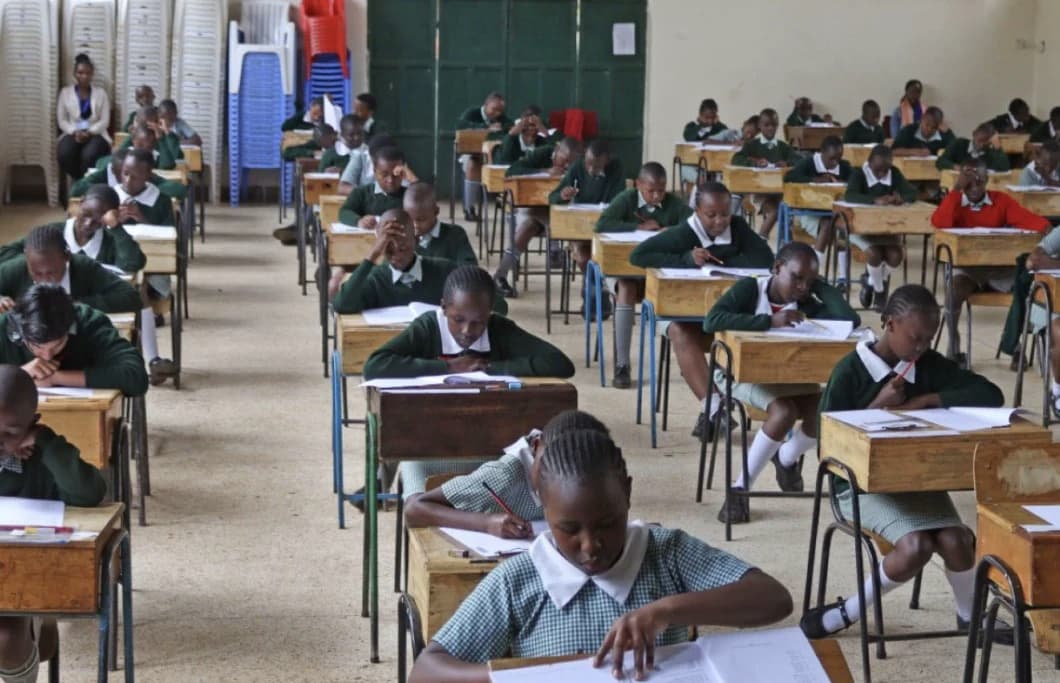
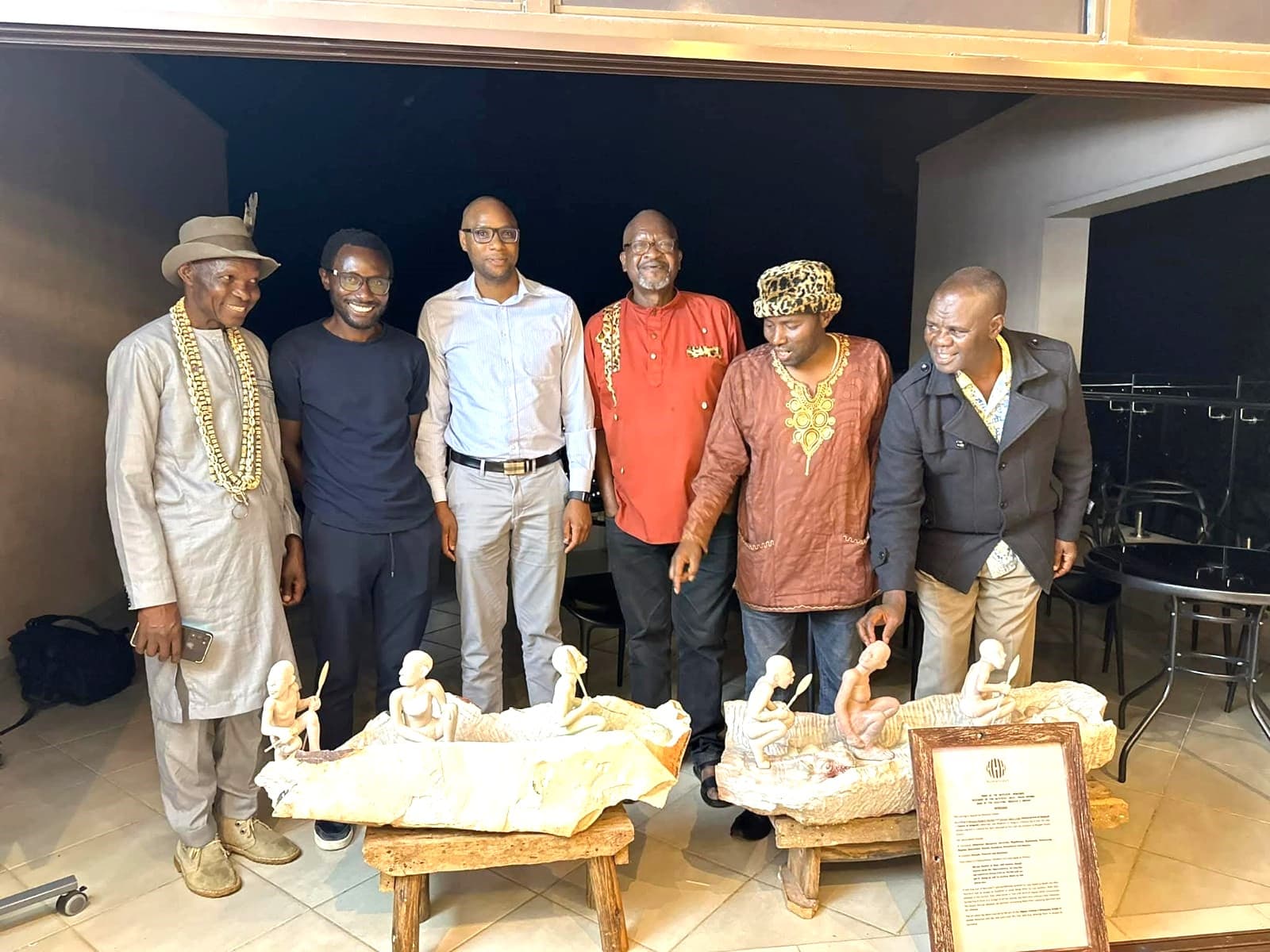
- Gusii education stakeholders have called for indigenous knowledge to complement modern education and strengthen learners’ practical skills and values.
- They want indigenous knowledge documented digitally as elderly custodians of oral history, traditions and customary practices age.
- The stakeholders also propose integrating useful cultural knowledge into CBE, community service learning and school culture clubs.
Communities have been asked to sieve what is good between indigenous education knowledge and the current modern system and blend them for the common good of society.
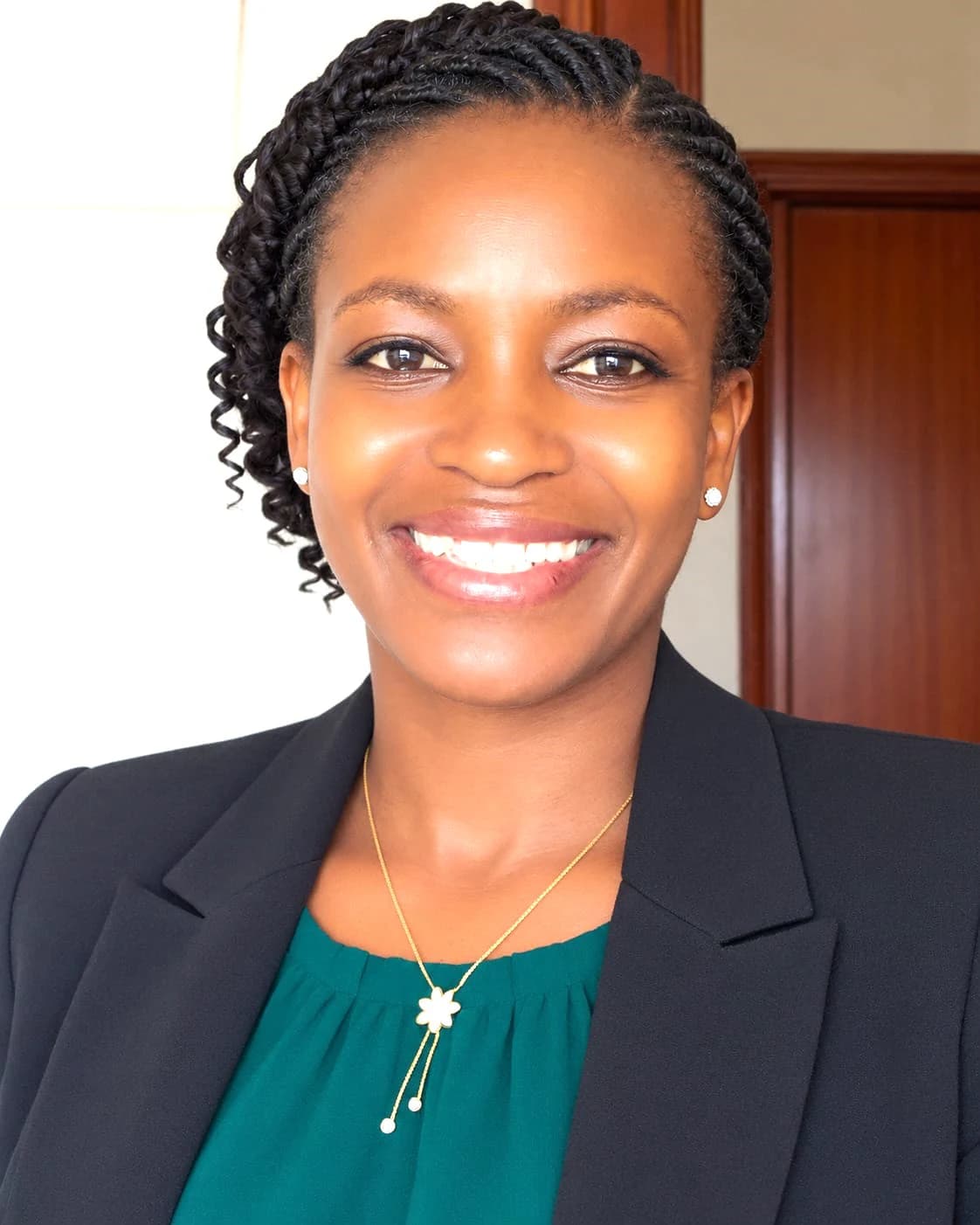
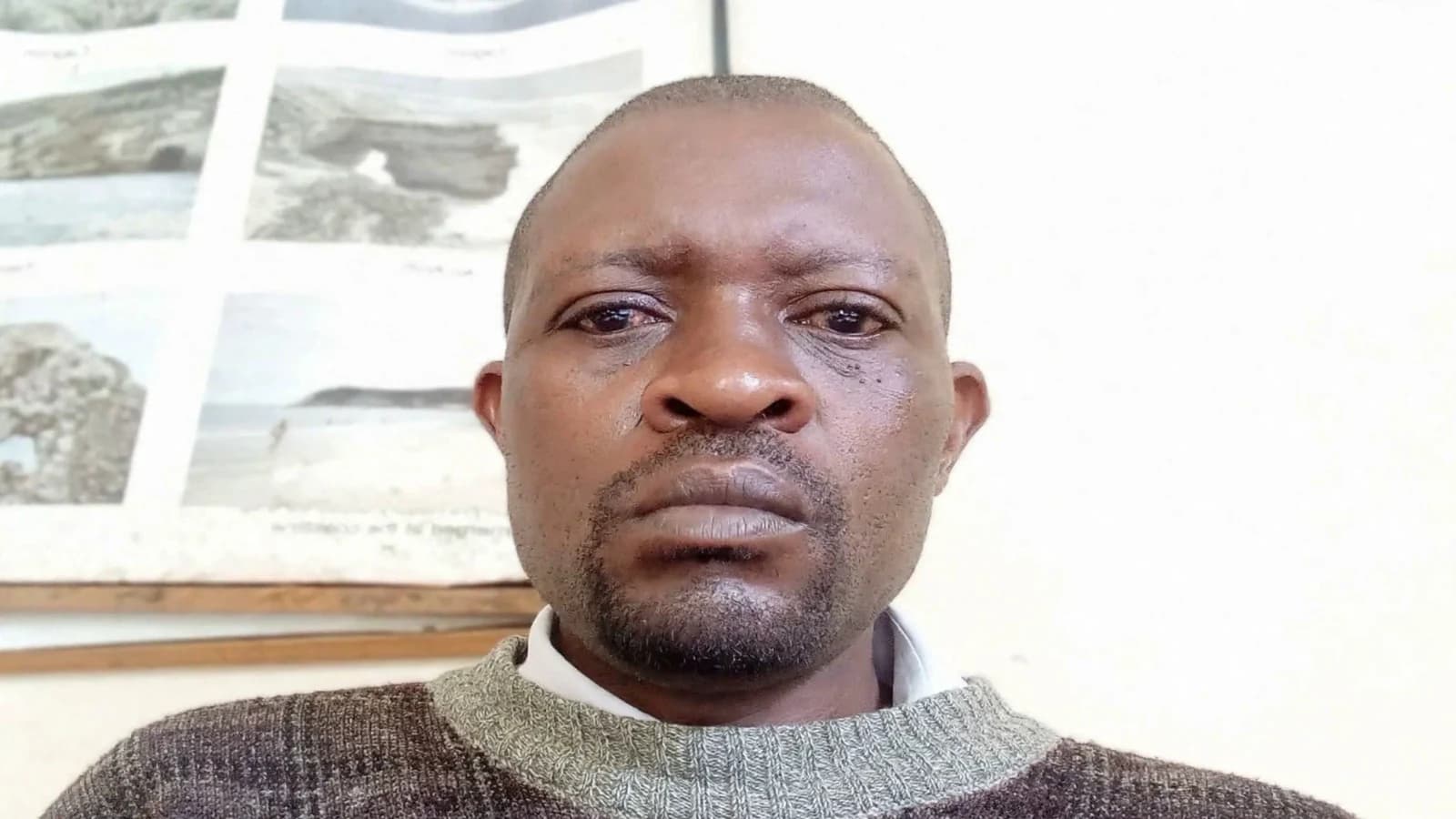
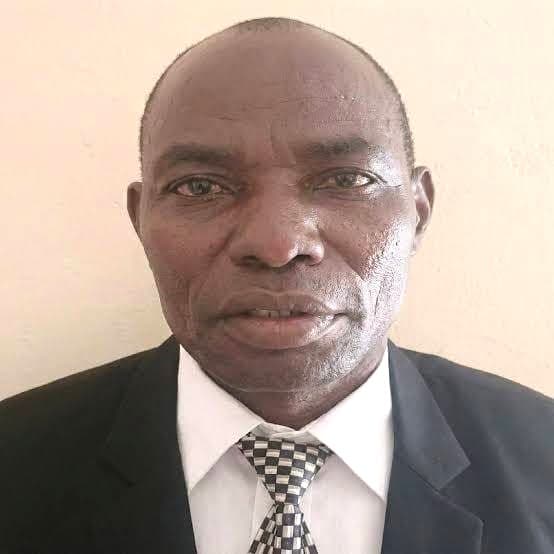
Stakeholders led by Dr Peter Nyamoko said education that does not provide the youth with relevant skills and moral values that shape them into desirable people in society is useless. They proposed a quick move by the government to digitise available indigenous information for easy storage and preservation for future generations.
Nyamoko is an educationist whose published work has focused on education management, curriculum and training. He has also previously advocated the integration of ICT into learning. IDEAS/RePEc
Indigenous education system
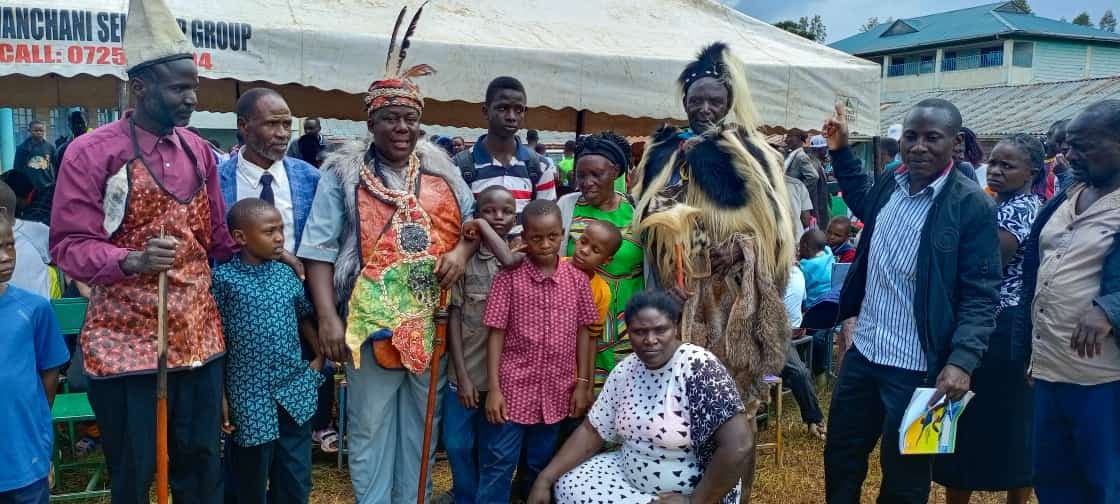
He was speaking during an Abagusii Education Stakeholders forum that brought together county government officials, community culture researchers, elders, teachers and university students to discuss the traditional levels and rites of passage of the community and the challenges facing them.
The day-long forum, held at the Kisii Cultural Centre, was organised by the County Department of Culture in partnership with Kiong’anyo Cultural Organization (KICO), local university researchers and the Gusii Council of Elders. Its main objective was to interrogate how the Abagusii indigenous education system was structured, what it taught, and why much of its moral and practical strength seems to be fading under the current formal system.
In his keynote address, Dr Nyamoko said the Abagusii community had a well-organised education ladder that started from childhood to elderhood. He explained that a child was first taught at home under Egesaku, where mothers and grandmothers taught language, hygiene, respect and work.
The second level was at the village, where age-mates were taught bravery, communal labour and protection of the community. The third was initiation and rites of passage, where youth were taken through seclusion to learn discipline, sexuality, marriage values, hard work and secrecy. Finally, adulthood was marked by responsibilities in clan meetings, conflict resolution and leadership.
“Our indigenous education produced a complete person. A person who could farm, who could defend the community, who could marry and stay in marriage, who respected elders and who feared to steal. Today’s certificate may give our children jobs, but it is not giving them character,” Dr Nyamoko said.
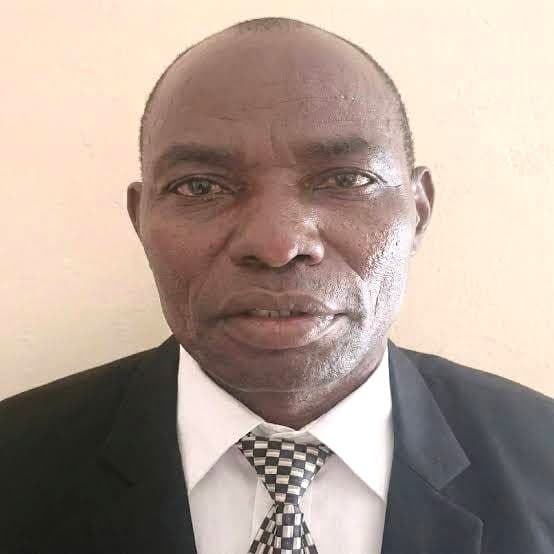
Dr. Peter Nyamoko
Participants noted with concern that the current generation is caught in between, with many youth shunning both farm work and cultural teachings while also lacking employment skills from the formal system. Several teachers who attended said Competency-Based Education (CBE) provides a good opportunity to bring back indigenous knowledge if well implemented.
The proposal echoes earlier calls from cultural stakeholders in Kisii to strengthen cultural studies within CBE and use schools to transmit community values and indigenous knowledge.
Local knowledge in learning
Hellen Moraa, a secondary school teacher from Kitutu Chache, said subjects such as Agriculture, Home Science and Creative Arts should be taught using local examples.
“When we teach a child about food preservation, why not start with how our mothers preserved chinsaga and meat? When we teach entrepreneurship, why not show how our mothers made and marketed ebiitonga and pots? That way the child connects,” she said.
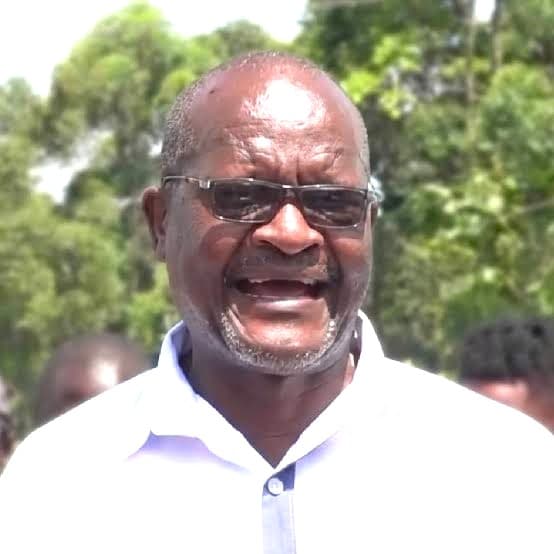
The forum also raised concern over the loss of oral history. Elder Samson Nyamoko, 84, told the gathering that most custodians of indigenous knowledge are dying without documenting what they know about herbs, clan histories, proverbs, songs and customary laws.
He asked the county government to move with speed and record the elders in audio and video.
In response, Kisii County Director of Culture and Social Services Paul Ochora said the county has started a programme to establish a digital cultural archive. He said they will work with Kisii University and the Kenya National Archives to collect, transcribe and store indigenous knowledge for schools and future researchers.
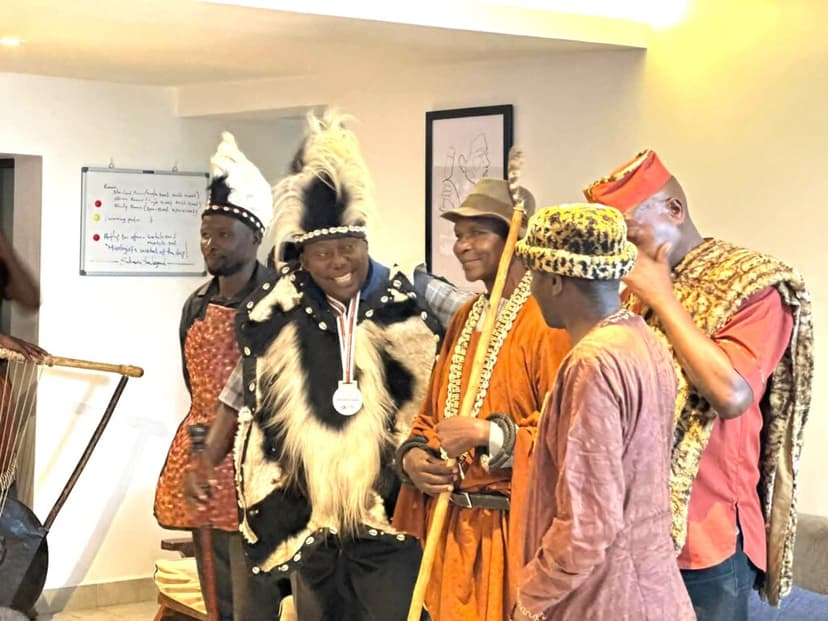
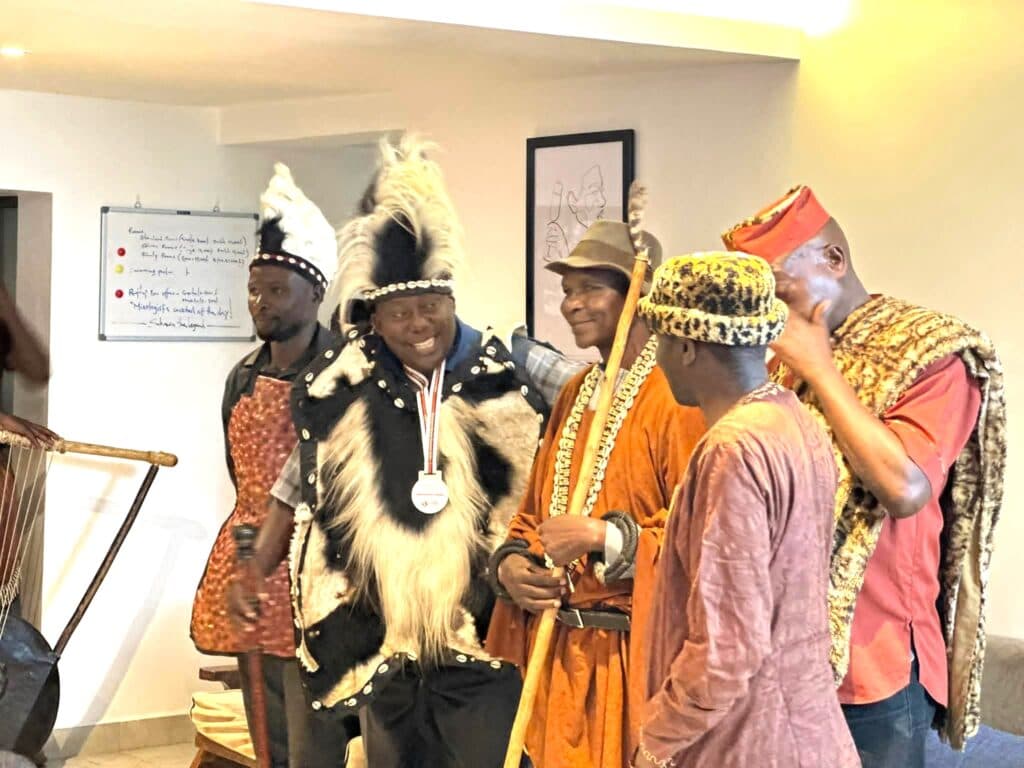
A section of Kiong’anyo, Kisii Cultural group in action
“We cannot afford to lose this wealth. We want our ECDE learners to learn Abagusii riddles and songs from a tablet. We want a university student in Nairobi to click and hear how ogotera was done and what it meant. If we don’t digitalize, we will be left with nothing in ten years,” he said.
University students present challenged elders to also allow change, noting that some cultural practices such as early marriage and exclusion of girls from certain teachings must be sieved out.
READ ALSO: PS Njogu urges youth to embrace Kazi Majuu and acquire marketable skills
At the end of the forum, the stakeholders resolved to appoint a team led by architect Moses Okemwa and his executive to document the rites of passage of the Abagusii and propose how useful aspects can be integrated into community service learning and culture clubs in schools.
By Enock Okong’o
Get more stories from our website: Education News
To write to us or offer feedback, you can reach us at: editor@educationnews.co.ke
You can also follow our social media pages on Twitter: Education News KE and Facebook: Education News Newspaper for timely updates.
>> Click here to stay up-to-date with trending regional stories

Reader Discussion (0)
Sign in to comment