- Astiba Kebong’o explains why Grade 10 School-Based Assessment is a crucial test for Competency-Based Education and calls for stronger investment in teachers, infrastructure and equitable learning resources.
- The rollout of School-Based Assessment in Grade 10 is testing Kenya’s commitment to delivering Competency-Based Education.
- Its success will depend on adequate infrastructure, teacher capacity, equitable funding and strong stakeholder collaboration.
- If properly supported, SBA can transform education by nurturing competent, innovative and job-ready learners.
The introduction of School-Based Assessment (SBA) in Grade 10 marks one of the most transformative milestones in the implementation of Competency-Based Education (CBE) in Kenya. More than an assessment exercise, it is a national litmus test of our commitment to nurturing competent, innovative, ethical and skilled citizens. It should serve as an eye-opener to educators, learners, parents, school leaders, policymakers and all stakeholders entrusted with shaping the future of our nation.
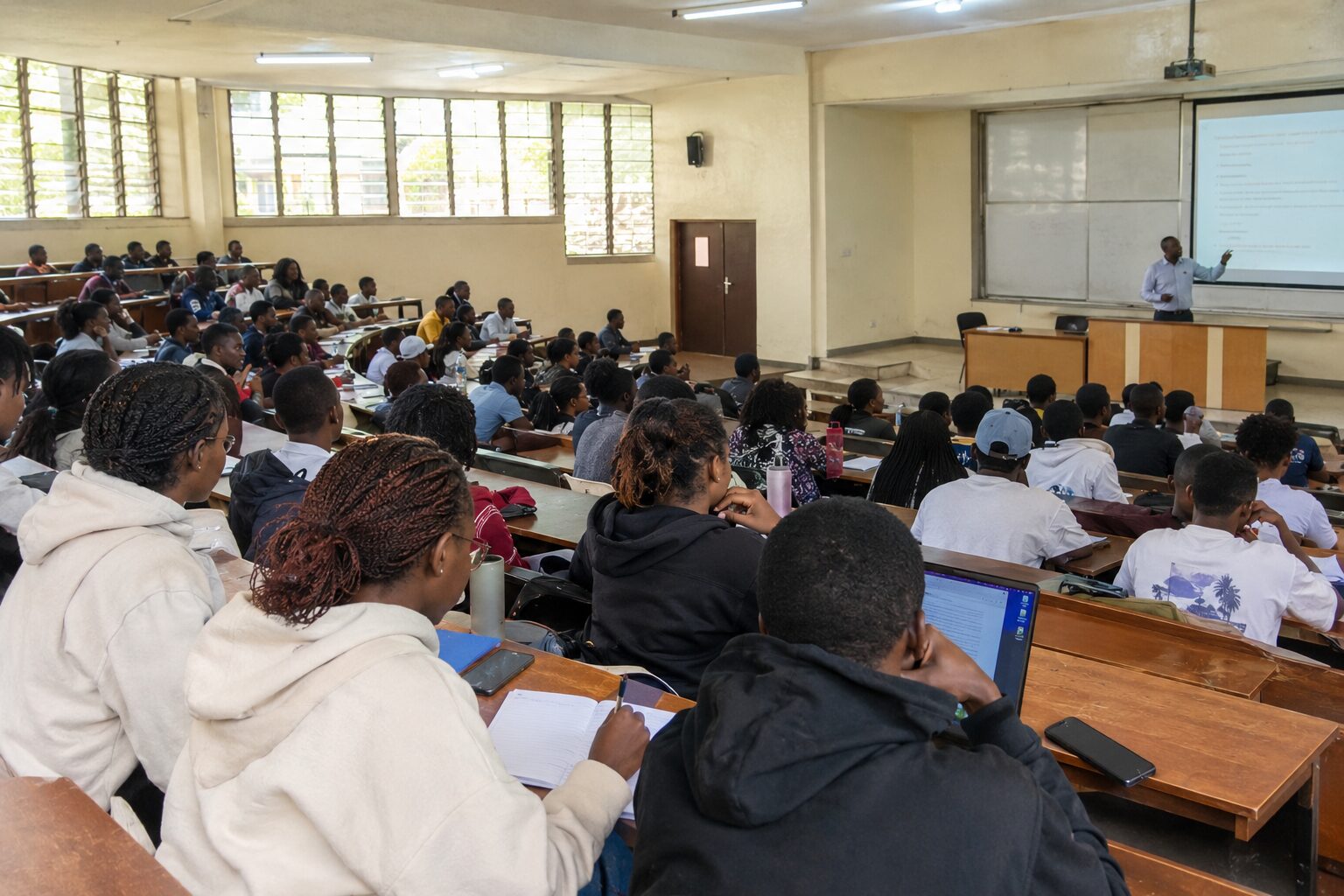
Unlike traditional examinations that primarily rewarded the recall of knowledge, School-Based Assessment enables learners to demonstrate what they know, what they can do and how effectively they can apply their competencies in real-life situations. It promotes creativity, critical thinking, collaboration, communication, innovation, problem-solving and independent learning. Through projects, investigations, performances and practical activities, learners discover their talents, passions and potential.
As the renowned educational philosopher John Dewey observed, “Education is not preparation for life; education is life itself.” School-Based Assessment embodies this philosophy by making learning practical, meaningful and relevant to everyday life.
Educational psychologist Howard Gardner, through his Theory of Multiple Intelligences, reminds us that every learner possesses unique abilities that deserve recognition and development. Equally, Benjamin Bloom asserted that “What any person in the world can learn, almost all persons can learn if provided with appropriate prior and current conditions of learning.” These perspectives affirm that every learner can excel when provided with the right environment, adequate resources and effective instruction.
The pioneer Grade 10 cohort has clearly demonstrated that School-Based Assessment is resource-intensive. It demands considerable financial investment, adequate infrastructure, sufficient instructional time and unwavering commitment from all stakeholders. School administrators and parents are increasingly appreciating that successful implementation requires learning materials, specialised equipment, reliable internet connectivity, digital devices, workshops, science laboratories, libraries and continuous teacher support.
The various pathways and projects offered in Senior School provide learners with opportunities to identify and nurture their unique strengths. Whether a learner excels in debating, coding, scientific innovation, performing arts, music, agriculture, sports, entrepreneurship or developing a simple seedbed, each activity contributes towards building confidence, communication skills, creativity, teamwork, leadership and self-esteem. Such competencies prepare learners not only for examinations but also for life.
The need for equity and infrastructure
However, the success of School-Based Assessment should never depend on the geographical location or financial capacity of a school. Learners in rural, urban, arid and marginalised regions deserve equitable access to quality learning resources, electricity, internet connectivity, science laboratories, computer laboratories, workshops, libraries and competent teachers. Educational equity must remain at the heart of Competency-Based Education if every learner is to enjoy equal opportunities to succeed.
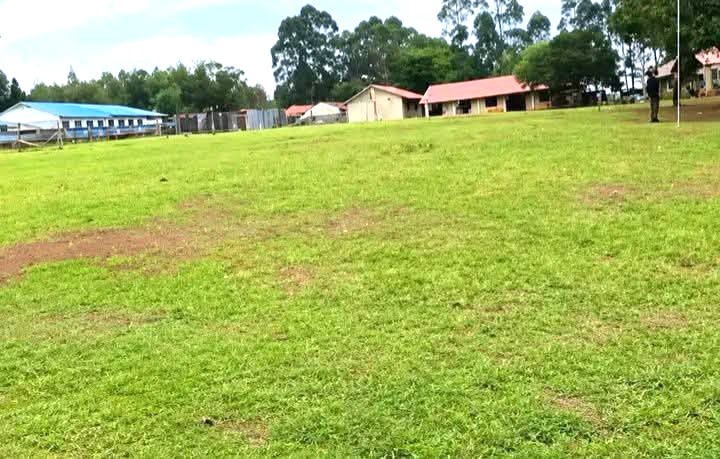
This pioneer class also presents an important policy question: Are all Senior Schools adequately prepared to implement Competency-Based Education effectively? While significant progress has been made, infrastructure gaps remain evident across many institutions.
The Government should prioritise investment in educational infrastructure by ensuring that every Senior School has electricity, reliable internet connectivity, functional computer laboratories, science laboratories, adequate learning spaces and digital learning technologies. Although smart boards and modern digital classrooms remain desirable, providing essential infrastructure to every school should be an immediate national priority.
Teachers at the centre of reform
Teachers remain the cornerstone of successful implementation. Their responsibilities now extend far beyond classroom instruction. They are expected to design authentic learning experiences, supervise projects, mentor learners, document evidence, assess competencies, provide timely feedback, upload assessment scores and identify individual learner strengths.
While teachers have embraced these reforms with commendable professionalism, the increased workload underscores the need for continuous professional development, adequate staffing, digital support systems and sufficient instructional time.
School administrators equally shoulder a strategic responsibility. They must provide visionary instructional leadership by mobilising resources, strengthening curriculum supervision, supporting teacher collaboration, promoting assessment integrity, safeguarding learner welfare and ensuring adherence to national assessment guidelines. Effective leadership will largely determine whether School-Based Assessment achieves its intended objectives.
Parents are indispensable partners in this journey. Beyond providing learning materials where possible, they should encourage learner participation in projects, appreciate diverse talents, monitor progress and work closely with schools. Competency development is a shared responsibility that flourishes through strong home-school partnerships.
The role of education agencies
The Teachers Service Commission (TSC) should continue investing in regular teacher retooling programmes to strengthen assessment literacy, digital competencies, learner-centred pedagogy and curriculum implementation. Continuous professional development will empower teachers to implement School-Based Assessment confidently, consistently and professionally.
The Ministry of Education bears the responsibility of providing responsive policy direction, equitable funding, adequate infrastructure, quality assurance and continuous monitoring of curriculum implementation. Sustainable financing remains indispensable if Competency-Based Education is to realise its transformative aspirations.
Equally, the Kenya National Examinations Council (KNEC) occupies a central role in safeguarding the credibility of School-Based Assessment. Through effective moderation, standardisation, monitoring, quality assurance and continuous capacity building, KNEC must ensure that assessment remains fair, reliable, valid, transparent and nationally comparable. The credibility of School-Based Assessment will depend on professional ethics, authenticity, accountability and unwavering adherence to national assessment standards.
Management scholar Peter Drucker aptly observed, “What gets measured gets managed.” Authentic assessment therefore becomes the foundation upon which educational quality, accountability and continuous improvement are built.
Investing in Kenya’s future
Perhaps the greatest promise of Competency-Based Education lies in its potential to reposition Kenya from an economy that has historically placed excessive emphasis on white-collar employment to one that values innovation, entrepreneurship, technical expertise and practical skills. The strong linkage between Competency-Based Education and Technical and Vocational Education and Training (TVET) offers an opportunity to produce graduates who are not merely certificate holders but competent problem-solvers, innovators and job creators capable of driving national development.
School-Based Assessment is therefore not simply about awarding marks. It is about discovering talent, nurturing innovation, cultivating values, building character, developing lifelong competencies and preparing learners for meaningful participation in society.
The responsibility for its success rests with every stakeholder. Teachers must facilitate learning with professionalism and integrity. Learners must embrace honesty, creativity, discipline and active participation. Parents should provide support and encouragement. School administrators must offer visionary leadership and adequate resources. TSC should continue strengthening teacher capacity. The Ministry of Education must provide sound policy direction, equitable funding and effective oversight, while KNEC must uphold the integrity, credibility and standardisation of assessment across the country.
The pioneer Grade 10 class presents Kenya with a historic opportunity to demonstrate that Competency-Based Education can transform the nation’s education system. The choices made today by policymakers, educators, parents and education agencies will determine whether Kenya produces graduates who merely possess certificates or citizens equipped with the competencies, values, creativity and practical skills required to thrive in the twenty-first century.
READ ALSO: Murang’a KUPPET throws weight behind Michael Murigi in National Trustee race
School-Based Assessment should therefore not be viewed as an additional burden but as a strategic national investment in human capital. If adequately supported through sound policy, sustained funding, equitable resource distribution, continuous teacher development and strong stakeholder collaboration, it will redefine learning, unlock every learner’s potential and propel Kenya towards a knowledge-driven, skilled, innovative and globally competitive economy.
By Astiba Kebong’o
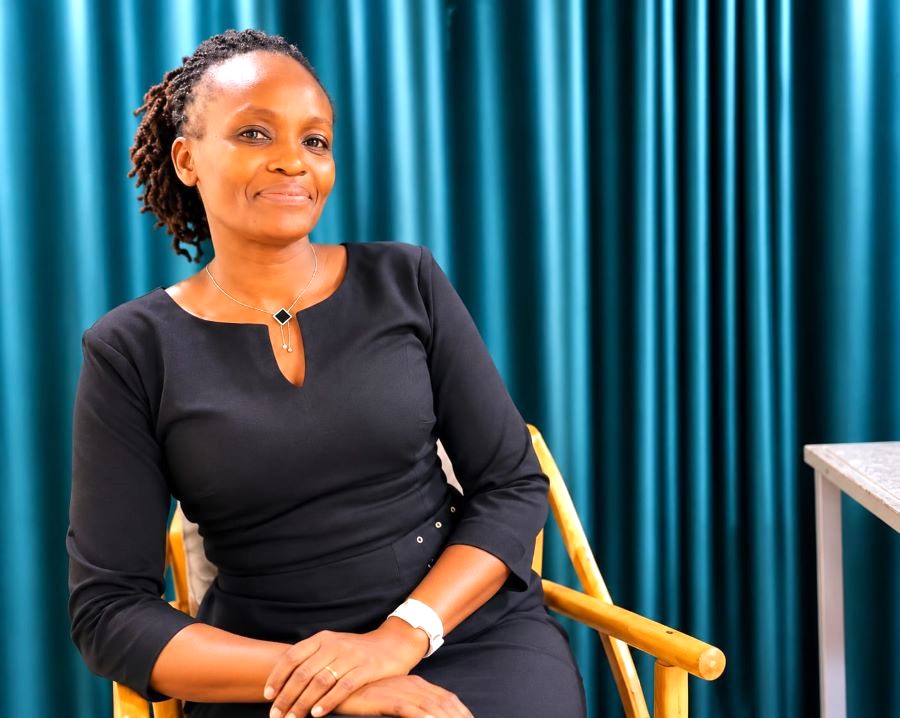
The writer is Astiba Kebong’o, an education leadership commentator. She can be reached at jackiekebongo@gmail.com.
You can also follow our social media pages on Twitter: Education News KE and Facebook: Education News Newspaper for timely updates.
>>> Click here to stay up-to-date with trending regional stories
>>> Click here to read more informed opinions on the country’s education landscape