- Education commentator Astiba Kebongo argues that guidance and counselling must become the cornerstone of school recovery following unrest and disciplinary crises.
- He says parents, teachers, religious leaders and communities all have a role in rebuilding learners’ character, resilience and sense of purpose.
- According to Kebongo, lasting peace in schools depends on prevention, mentorship and emotional support rather than punishment alone.
By Astiba Kebongo
Rebuilding the Learner Beyond the Crisis
Left, right and centre, the rallying cry across our educational landscape has been to empower guidance and counselling departments. It is now time to move beyond lamentation and stop asking where the rain began beating us.
School unrest leaves learners emotionally fractured, distracted and uncertain about their future. While restoring structural order and resuming the academic calendar are necessary immediate steps, the deeper and more critical task lies in reclaiming the learner’s mind, rebuilding character and restoring purpose.
Guidance and counselling must therefore serve as the psychological bridge between crisis and recovery.
Returning Learners to Their Core Values
The objective of post-unrest intervention should never be confined to punitive measures or disciplinary action alone.
Instead, the goal must be to guide learners back to their core values — a state where they value discipline, respect institutional authority, focus on academics and make responsible decisions.
True restoration addresses the root causes of behavioural disruption rather than merely suppressing its symptoms.
As Charles Obiye notes in More Than Books (p. 31), honesty extends beyond truth-telling to include transparency, accountability and authenticity.
For institutions to heal, both learners and administrators must embrace these values, making accountability a shared virtue rather than an imposed penalty.
Combining Restoration and Prevention
To achieve this, guidance and counselling frameworks must merge restorative healing with preventive approaches.
Traumatised or disgruntled learners need safe, non-judgmental spaces to express anxieties, frustrations and grievances.
Through individual counselling, peer support groups, mentorship programmes and life-skills education, schools can rebuild learner confidence and emotional resilience.
This helps redirect youthful energy away from destructive behaviour and toward academic achievement and responsible citizenship.
A Collective Responsibility
The effectiveness of counselling departments cannot exist in isolation.
Meaningful impact requires collaboration among school administrators, teachers, parents, peer counsellors, chaplains, religious leaders, Boards of Management and education officers.
Restoring a fractured school environment is a collective responsibility.
When stakeholders operate in isolation, mixed signals emerge and learners may exploit inconsistencies in the institution’s disciplinary framework.
Guidance Begins at Home
Authentic guidance begins at home.
Parents remain a child’s first counsellors and primary moral role models. They shape attitudes, values and behaviour long before a learner enters the classroom.
Within school, every teacher should also view themselves as a counsellor.
Learners often learn more from what teachers practise than from what they say.
Educators must identify struggling learners, provide mentorship and create supportive classroom environments that nurture growth.
The Role of Spiritual Formation
Spiritual formation provides an additional foundation for character development.
It reinforces values such as integrity, self-control, responsibility, forgiveness, humility and respect for human dignity.
This aligns with the wisdom of Proverbs 22:6, which encourages the training of children in the right way so that those values endure throughout life.
When psychological support is combined with moral and spiritual formation, schools create a stronger defence against behavioural breakdown.
Addressing Modern Challenges
In today’s digital age, guidance and counselling must evolve to address contemporary pressures.
Counsellors must help learners navigate social media influence, cyberbullying, substance abuse, peer pressure and responsible technology use.
Preparing learners for life in a globalised world requires cultivating critical thinking, self-discipline and ethical judgment.
The Power of Peer Counselling
A well-trained counselling team supported by active peer counsellors serves as a vital first line of support.
Learners often relate more openly to peers who share similar experiences and challenges.
Peer counselling creates an environment of trust, openness and early intervention before minor concerns escalate into major crises.
This reflects Carl Rogers’ observation that being genuinely heard without judgment is one of the most powerful human experiences.
True guidance begins with empathetic listening.
Building Peaceful and Productive Schools
Ultimately, lasting peace in learning institutions requires the coordinated commitment of families, educators, religious institutions, government agencies and communities.
When these stakeholders work together, guidance and counselling cease to be reactive departments and become powerful engines for rebuilding discipline, academic focus and responsible citizenship.
As Matthew 5:9 reminds us, “Blessed are the peacemakers, for they shall be called children of God.”
Peaceful schools produce balanced and productive learners. Those learners, in turn, build stable, prosperous and progressive societies.
READ ALSO:The promotion that never was: The silent cry of P1 teachers deployed to JSS
A disciplined, guided and value-driven learner is not only protected from behavioural disruption but also prepared for the greater challenges of life.
As William Butler Yeats famously observed, “Education is not the filling of a pail, but the lighting of a fire.”
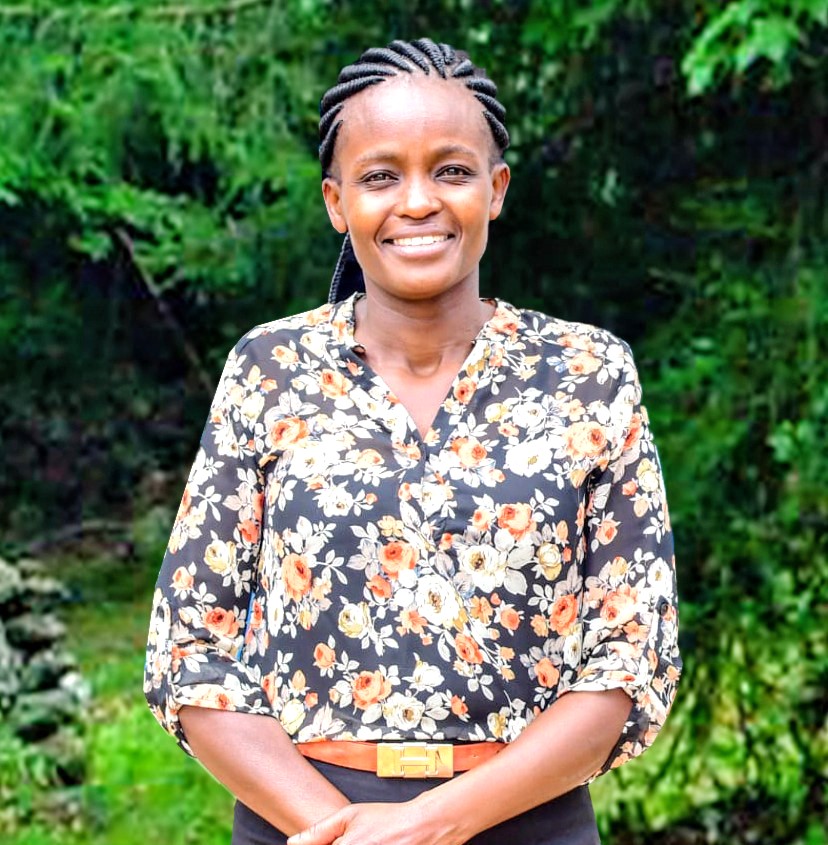
Astiba is Member, Guidance and Counselling Department, Tombe Girls High School, Nyamira County
Tel: 0721 547 539
Email: jackiekebongo@gmail.com
You can also follow our social media pages on Twitter: Education News KE and Facebook: Education News Newspaper for timely updates.
>>> Click here to stay up-to-date with trending regional stories
>>> Click here to read more informed opinions on the country’s education landscape