

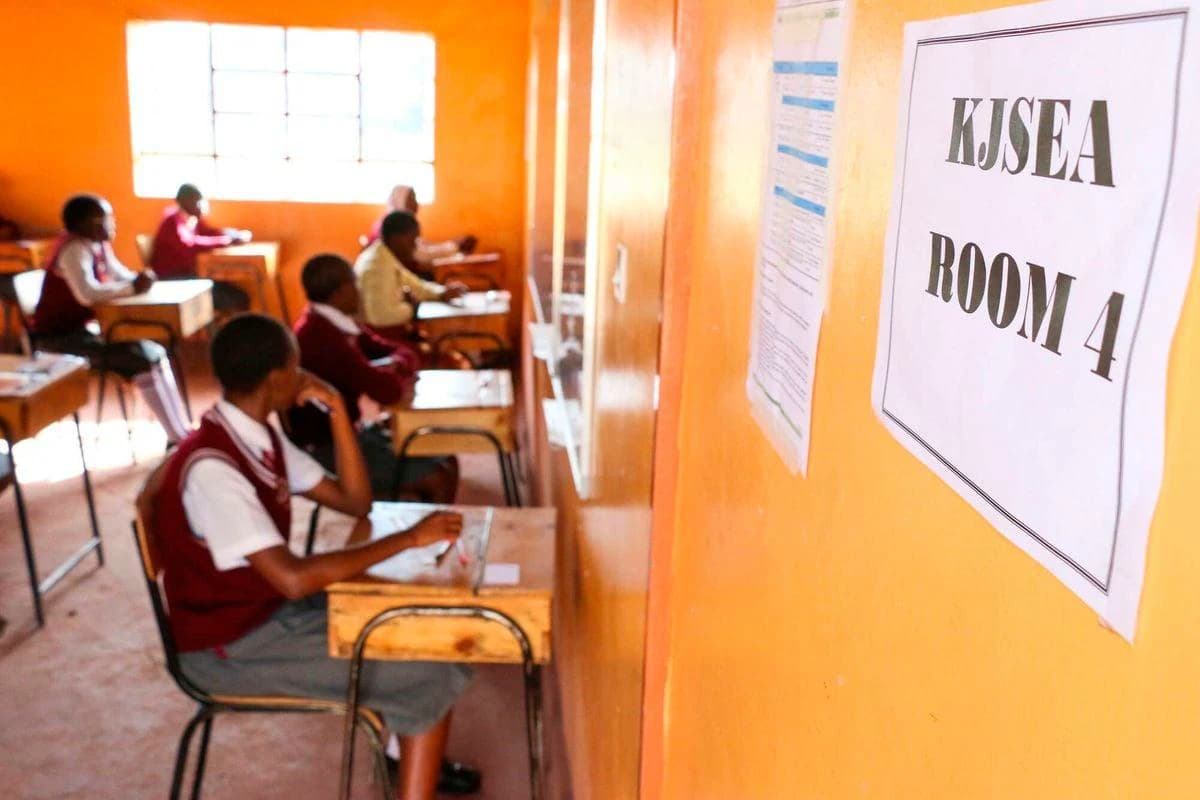






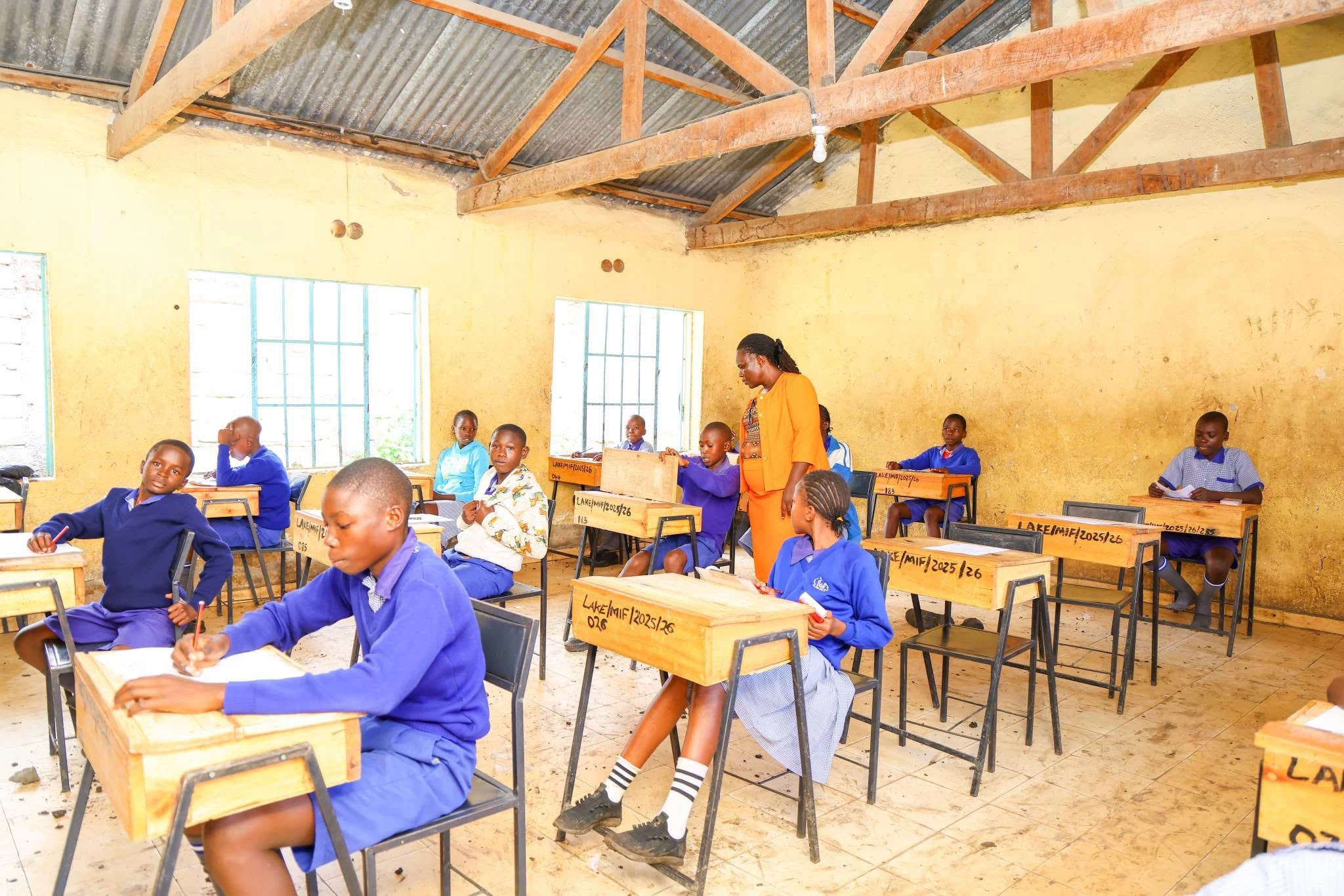

- Fathers in education play a vital role as teachers, mentors, lecturers, administrators, policymakers and parents.
- Their sacrifices and leadership help nurture future professionals, leaders and responsible citizens.
- Father’s Day offers an opportunity to celebrate the men whose commitment to education transforms lives and societies.
Every year, millions of people across the world celebrate Father’s Day to honour the men whose love, sacrifice, guidance and leadership help shape families and societies. In many countries, including Kenya, Father’s Day is celebrated on the third Sunday of June. In 2026, Father’s Day falls on Sunday, June 21. On this special day, society expresses gratitude to fathers who provide for their families, protect their loved ones and dedicate themselves to raising responsible citizens. While much attention is rightly given to fathers within the home, there exists another remarkable group of fathers whose contributions extend beyond their biological children and touch the lives of countless individuals. These are the fathers of education.
The education sector is sustained by men who devote their lives to teaching, mentoring, guiding, protecting, financing and advancing learning. These fathers may be classroom teachers, university lecturers, professors, school principals, educational administrators, policymakers, union leaders, researchers, mentors and parents. Their influence reaches classrooms, lecture halls, libraries, laboratories, boardrooms and homes. Through their dedication, they nurture young minds, preserve knowledge, promote critical thinking and prepare future generations to contribute positively to society.
Education is one of humanity’s greatest achievements. It is the means through which knowledge, values, culture, skills and wisdom are transmitted from one generation to another. Every society that has achieved progress has done so through education. Every doctor who treats patients, every lawyer who defends justice, every engineer who constructs infrastructure, every scientist who advances innovation and every leader who serves the public was once a student guided by educators and supported by parents. At the centre of this process stand countless fathers whose commitment to education helps transform dreams into reality.
Classroom teachers as fathers of learning
Among the most visible fathers in education are classroom teachers. Every school day, male teachers enter classrooms carrying responsibilities that go far beyond delivering lessons. They do not merely teach mathematics, science, history, languages or social studies. They help shape character, build confidence, instil discipline and inspire ambition. They become role models whose conduct influences the attitudes and behaviours of learners.
The classroom teacher occupies a unique position because he interacts directly with students during some of the most important years of their development. During childhood and adolescence, young people are constantly learning not only from books but also from the adults around them. Teachers demonstrate values such as honesty, responsibility, hard work, punctuality, respect and perseverance. Through daily interactions, they help students understand the importance of commitment and integrity.
Many successful individuals can identify a particular teacher who changed the course of their lives. Some remember a teacher who encouraged them during difficult moments. Others remember a teacher who challenged them to think differently and aim higher. Some recall a teacher who believed in them when nobody else seemed to recognize their potential. These experiences reveal the profound influence educators can have on learners.
The role of teachers becomes even more significant in communities facing economic hardship, social instability or family challenges. In such environments, schools often provide structure, stability and hope. Male teachers frequently become trusted mentors and positive father figures for students who may lack guidance elsewhere. Through their presence and encouragement, they help learners remain focused on education and personal growth despite difficult circumstances.
Academic fathers in higher education
The contribution of educational fathers extends beyond primary and secondary schools into institutions of higher learning. Universities, colleges and professional training institutions rely heavily on lecturers, professors and academic mentors whose responsibility is to guide students through advanced education and research.
University lecturers do far more than present information during lectures. They help students develop analytical skills, critical thinking abilities and intellectual independence. They challenge assumptions, encourage curiosity and expose learners to diverse perspectives. Their goal is not simply to help students pass examinations but to prepare them for meaningful participation in professional and public life.
The relationship between a lecturer and a student is often built on mutual respect, intellectual engagement and mentorship. This relationship becomes especially important at postgraduate level, where students undertake advanced research and specialized study. Academic supervisors invest significant time guiding students through research proposals, data collection, analysis, writing and publication. Through this process, they help transform students into scholars, professionals and future leaders.
Research can be intellectually demanding, emotionally exhausting and professionally challenging. Academic mentors help students navigate these difficulties while encouraging persistence and excellence. They provide constructive feedback, identify weaknesses, suggest improvements and celebrate achievements. Their guidance contributes significantly to the development of future researchers, academics, policymakers and professionals.
The influence of university lecturers extends far beyond campus boundaries. Every year, they send graduates into society equipped with knowledge, skills and professional values. These graduates enter various sectors and contribute to national development. In this way, academic fathers play a direct role in shaping the future of communities, nations and the world.
Leadership, policy and advocacy
Another group of fathers whose contributions deserve recognition includes school administrators, principals and educational managers. These individuals provide leadership that enables educational institutions to function effectively. They oversee academic programmes, manage resources, support teachers, maintain discipline and create environments where learning can thrive.
Educational leadership requires vision, wisdom, patience and dedication. School administrators must balance numerous responsibilities while ensuring that learners receive quality education. Their decisions influence institutional culture, academic performance, staff morale and student welfare. Effective leaders inspire excellence and create conditions that allow both teachers and students to succeed. Educational administrators often work behind the scenes and therefore receive less public recognition than classroom teachers. Nevertheless, their contributions are essential. Without effective leadership, schools and universities would struggle to achieve their objectives. Their commitment reflects another important form of educational fatherhood characterized by stewardship, responsibility and service.
Educational policymakers and government officials also play a critical role in shaping learning outcomes. These individuals formulate laws, develop educational strategies, allocate resources and establish standards that guide institutions across entire countries. Their decisions affect millions of students, teachers and families. Education is widely recognized as a fundamental human right and a powerful tool for social and economic development. Policymakers who prioritize education contribute significantly to national progress. Through investments in infrastructure, teacher training, curriculum development, technology and research, they create opportunities for future generations.
Educational unions and professional associations represent another important pillar of the education sector. Union leaders work tirelessly to protect the rights, welfare and professional dignity of educators. They advocate for fair remuneration, improved working conditions, professional development and adequate educational resources. Their efforts benefit not only educators but also learners because quality education depends upon motivated and supported teachers. In this sense, union leaders act as protective fathers of the education sector, defending institutions that serve future generations.
Fathers at home: The foundation of learning
No discussion of fathers in education would be complete without recognizing one of the most important figures in a child’s educational journey: the father at home. The contribution of parents, especially fathers, often forms the foundation upon which educational success is built. Across rural villages, urban centres and growing towns, fathers work tirelessly to provide educational opportunities for their children. Some are farmers cultivating land under challenging conditions. Others operate small businesses, manage enterprises, work in factories, serve in public institutions or pursue professional careers. Regardless of occupation, many fathers share a common commitment to ensuring that their children receive quality education.
Paying school fees, purchasing textbooks, providing uniforms, covering transportation costs and meeting other educational expenses require significant sacrifice. Many fathers make difficult financial decisions to prioritize their children’s education. They often postpone personal desires, reduce personal expenditures and work longer hours to meet these responsibilities. These sacrifices reflect a profound belief in the power of education. Fathers understand that education creates opportunities, expands possibilities and improves quality of life. They view educational expenses not merely as costs but as investments in the future of their children and society.
The role of fathers at home extends beyond financial support. They encourage discipline, promote positive attitudes toward learning, monitor academic progress and provide emotional encouragement. Through conversations, guidance and personal example, they help children appreciate the value of education and hard work. Research consistently demonstrates that parental involvement contributes positively to academic achievement. Students whose parents actively support their education are more likely to perform well academically, demonstrate confidence and develop ambitious goals. Fathers play an important role in creating supportive environments that reinforce learning and personal growth.
A legacy that shapes generations
The various forms of educational fatherhood are interconnected. The classroom teacher builds foundational knowledge. The school administrator provides leadership. The lecturer develops expertise and critical thinking. The union leader protects professional interests. The policymaker creates supportive frameworks. The father at home provides resources, encouragement and stability. Together, they form a powerful network dedicated to the advancement of education. Their collective efforts generate benefits that extend throughout society. Educated populations contribute to economic growth, technological advancement, scientific discovery, democratic governance, social cohesion and cultural development. Every successful nation depends upon an effective educational system supported by dedicated individuals who understand the importance of nurturing human potential.
READ ALSO: Prof Wyne Mutuma’s Father’s Day challenge: “All success means nothing if you fail as a parent”
Fatherhood, in its deepest sense, is not limited to biology. It encompasses responsibility, sacrifice, guidance, protection, mentorship, service and stewardship. Educational fathers embody these values every day. They invest their knowledge, time, resources, experience and energy in helping others learn, grow and succeed. On this Father’s Day, society has every reason to honour these extraordinary men. They are the teachers who inspire dreams, the lecturers who cultivate excellence, the principals who provide leadership, the policymakers who expand opportunities, the union leaders who defend the profession and the fathers at home who make countless sacrifices so their children can learn. Their influence continues to transform generations and illuminate society for years to come.
Author: Omwansa Onduko
Third Year Student, Kabarak University School of Law
You can also follow our social media pages on Twitter: Education News KE and Facebook: Education News Newspaper for timely updates.
>>> Click here to stay up-to-date with trending regional stories
>>> Click here to read more informed opinions on the country’s education landscape
>>> Click here to stay ahead with the latest national news.




Reader Discussion (0)
Sign in to comment