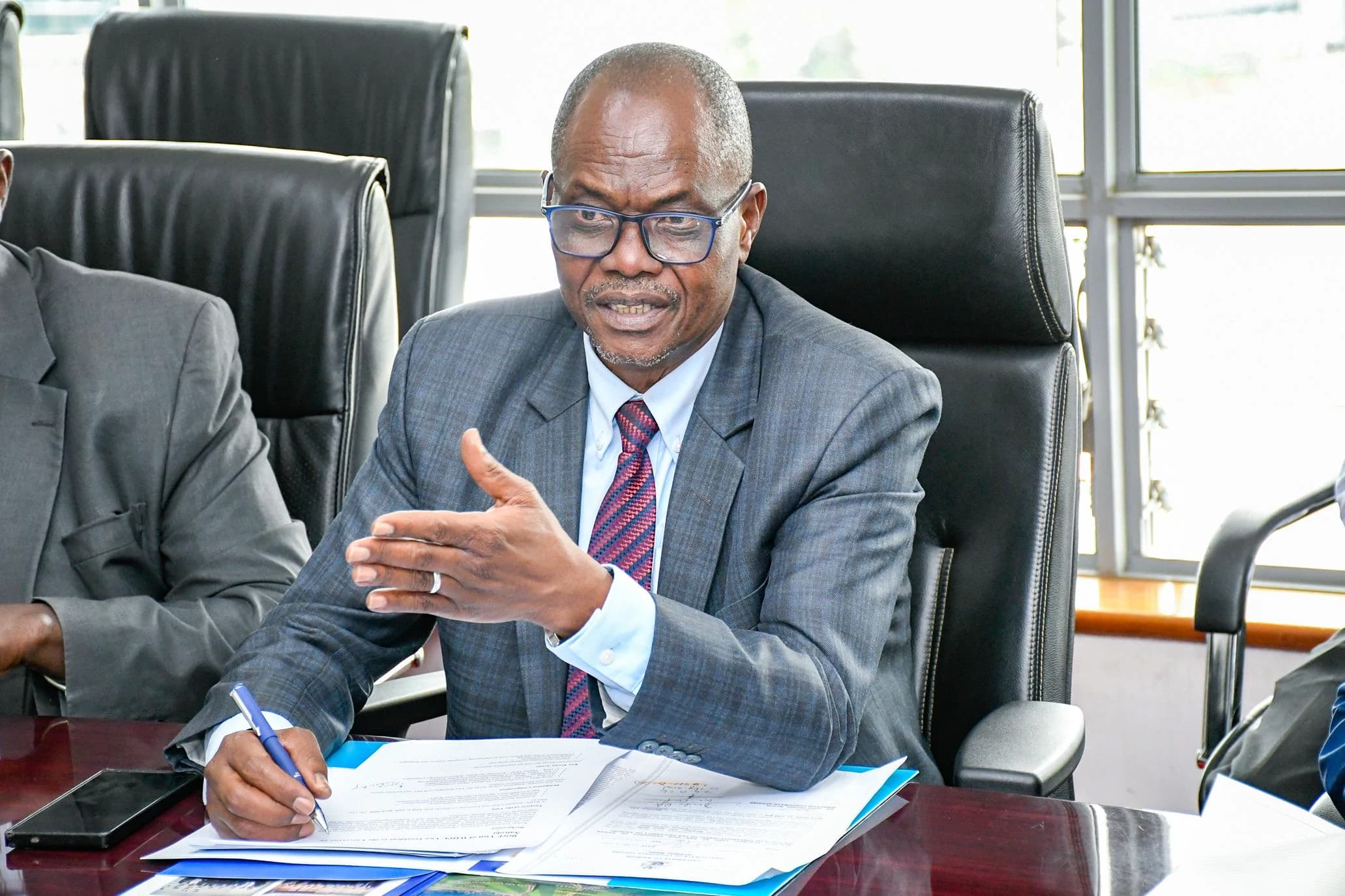
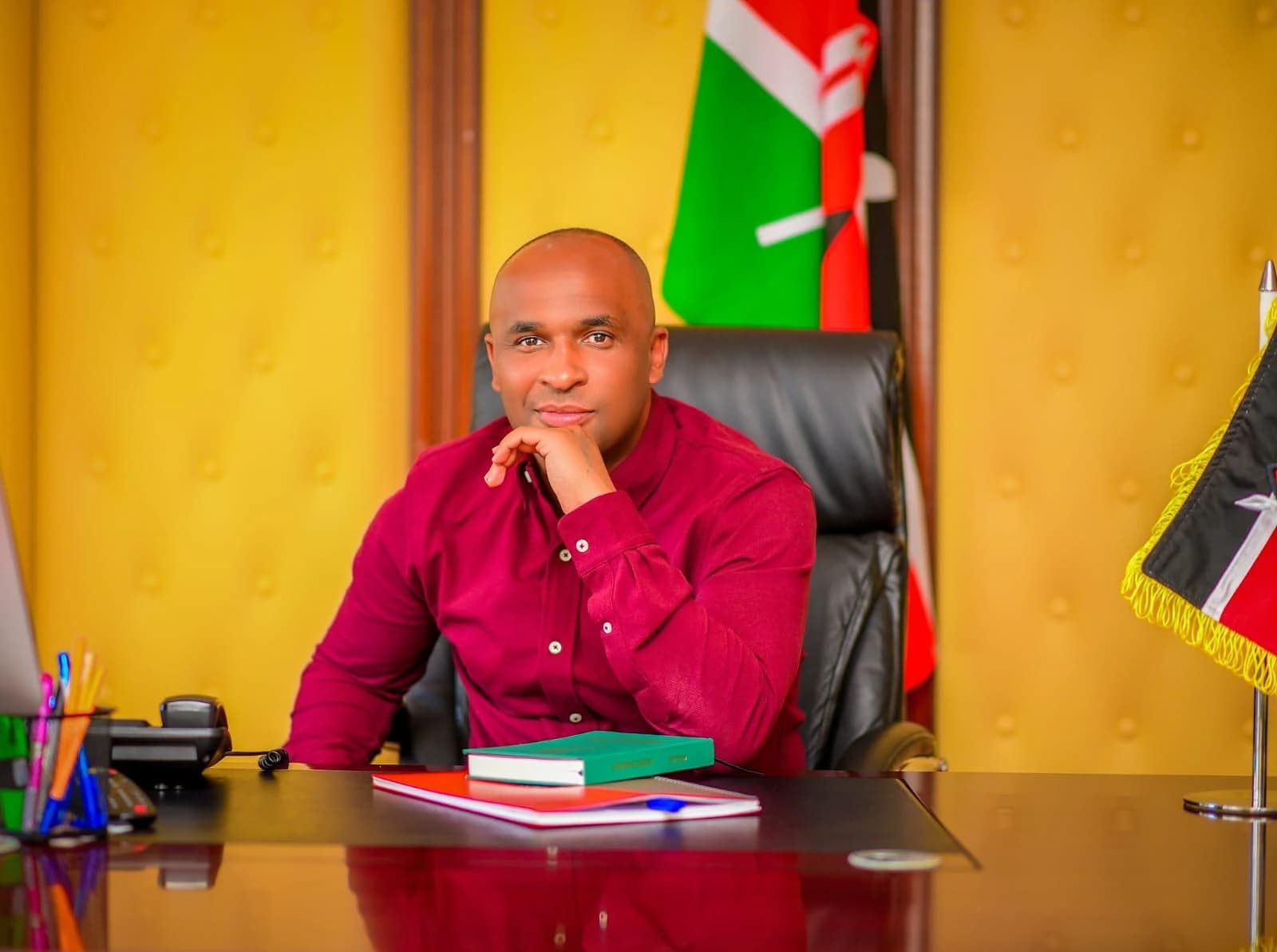
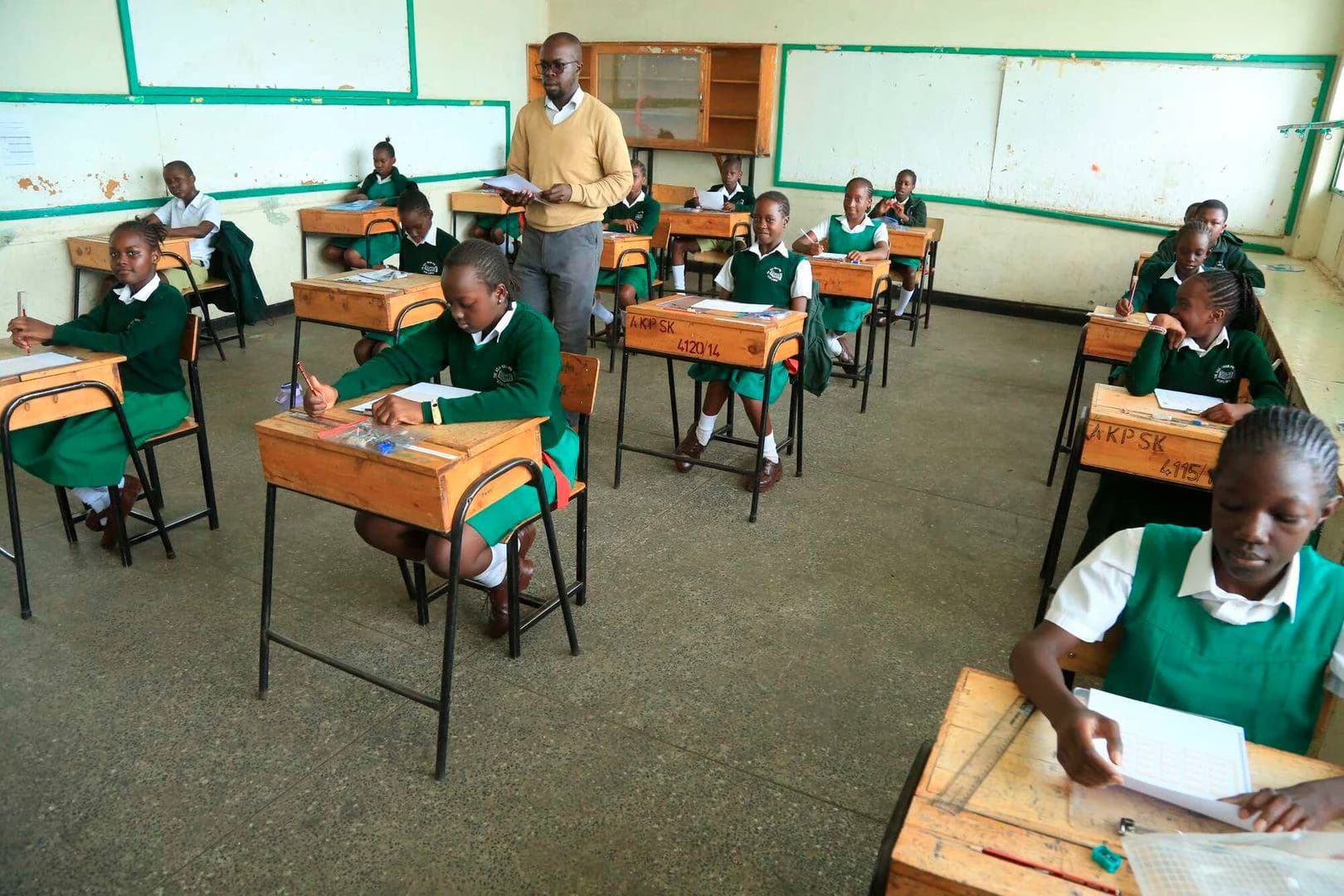




- Hillary Muhalya examines how Thomas Kwaka Omollo’s career challenges Kenya’s fixation with examination grades.
- His journey spans entertainment, State House service and a diplomatic posting in Los Angeles.
- The story argues that academic results matter, but should never become permanent labels for learners.
In Kenya, a young person’s examination grade can sometimes become a lifelong label. A student who scores an A is celebrated as destined for greatness, while one who performs poorly may be quietly written off as lacking ability. But the remarkable career journey of Thomas Kwaka Omollo, popularly known as Big Ted, offers a powerful reminder that a KCSE result is a snapshot of academic performance at one point in life—not a final verdict on human potential.
Omollo has publicly been profiled as having left Nairobi School with a D Plain in KCSE. His subsequent career included work in media, events and branding before he entered public service.
In an education system where examination grades have traditionally carried enormous social and professional weight, such a result could easily have been interpreted as the end of a promising academic journey.
Instead, it became the beginning of a very different story.
Today, Omollo is known not only for his creative-industry career but also for his service in senior public positions and diplomatic work. He was appointed Kenya’s Consul-General in Los Angeles in 2022.
His journey is significant because it challenges one of the most deeply rooted assumptions in Kenyan society: that academic performance at 17 or 18 should determine the ceiling of a person’s future.
It does not.
Omollo’s story should not be interpreted as an argument against academic excellence. Kenya needs well-educated professionals, strong schools and learners who take their studies seriously.
Rather, his experience exposes the danger of confusing examination performance with total human ability.
After school, Omollo found his footing in the creative economy. He became involved in gospel rap, event production and entertainment before developing a profile as a master of ceremonies and communications personality.
The creative industry demanded qualities that examination results could not fully measure: confidence, communication, audience engagement, networking, creativity, adaptability, emotional intelligence and the ability to understand people.
These capabilities eventually became important building blocks for a career that moved far beyond entertainment.
His experience illustrates a critical reality for parents and educators: sometimes a young person who appears academically average may possess exceptional abilities that the conventional classroom does not immediately reveal.
The challenge is identifying and developing those abilities rather than allowing a single grade to define the individual.
From entertainment to State House
Omollo’s career trajectory became even more remarkable when he moved from the creative sector into government.
In 2013, he joined State House as Deputy Director of Brand and Strategy before later becoming Director of Brand Strategy and Events at the Executive Office of the President.
He served in the presidency for several years and received a Head of State Commendation in 2017.
The transition was not accidental.
The ability to communicate a message, manage audiences, create memorable experiences and build a public identity is valuable not only in entertainment but also in government, diplomacy and international relations.
What began as experience in the creative industry could therefore be translated into strategic public communication.
That is an important lesson about careers in the modern economy: skills can travel across sectors.
A young person may acquire them in one field and later deploy them in another.
The diplomatic leap
In 2022, Omollo’s career entered another phase when he was appointed Kenya’s Consul-General in Los Angeles.
Diplomacy is a world away from gospel rap and event hosting, yet some of the underlying competencies remained relevant.
Representing a country requires communication, cultural awareness, relationship-building, negotiation, networking and the ability to engage different audiences.
As Consul-General, Omollo’s responsibilities included engaging the Kenyan diaspora and promoting Kenya’s economic and cultural interests in the United States.
His background in branding and the creative economy also gave him a distinctive perspective on how Kenya can present itself to the world.
The modern diplomat is not merely an official who sits behind a desk. Diplomacy increasingly involves economic engagement, cultural promotion, investment attraction, technology, tourism, diaspora relations and national branding.
In that environment, communication and people skills can be as important as technical knowledge.
A different message for Kenyan learners
The greatest lesson from Omollo’s journey is not that grades do not matter.
They do.
Academic discipline remains essential, and students should never be encouraged to treat poor performance as something desirable or inconsequential.
The deeper lesson is that a poor grade should not become a permanent identity.
A student who performs poorly at KCSE may still possess talents in entrepreneurship, technology, leadership, communication, sport, the arts, technical work, hospitality, agriculture or dozens of emerging fields.
The responsibility of education is therefore bigger than preparing learners to pass examinations.
It must help them discover what they can do, develop practical competencies and find meaningful pathways into adulthood.
This is particularly relevant as Kenya continues shifting towards competency-based education. The philosophy behind competency-focused learning is that education should develop a broader range of capabilities rather than relying exclusively on the ability to reproduce academic knowledge in examinations.
Omollo’s story gives that debate a human face.
The danger of writing people off too early
Perhaps the most damaging consequence of Kenya’s examination culture is not that students compete for high grades. Competition can motivate excellence.
The danger comes when society begins to treat grades as permanent predictions of worth.
A teenager who gets a D may begin to believe that he is a failure. Parents may lose confidence in the child. Teachers may lower expectations. Society may stop looking beyond the certificate.
That can become a self-fulfilling prophecy.
Omollo’s career demonstrates why young people deserve a second chance, multiple pathways and opportunities to discover their strengths.
His journey from the classroom to the creative economy, State House and international diplomacy is a reminder that careers rarely follow straight lines.
People evolve.
Skills accumulate.
Opportunities emerge.
And sometimes the person who appears to have fallen behind academically develops abilities that become enormously valuable later in life.
Beyond the D Plain
Omollo’s journey should therefore not be reduced to the sensational contrast between a D Plain and a diplomatic appointment.
The more important story is what happened between those two points.
He found an area in which he could excel. He developed practical skills. He built relationships. He gained experience. He translated creative abilities into public-service competencies and eventually into international diplomacy.
That is the part of the story Kenya’s education debate should pay greater attention to.
A certificate can open doors, but skills, character, experience, resilience and relationships can determine what happens after the door opens.
The lesson for learners is straightforward: a disappointing examination result is an event, not an identity.
For parents, the message is equally important: celebrate academic excellence, but do not reduce your child to a grade.
For teachers, it is a reminder to look beyond marks and identify hidden talents.
And for policymakers, it is a case for an education system that provides credible alternative pathways for learners whose strengths may not be captured by conventional examinations.
Thomas Kwaka Omollo’s journey does not prove that grades are irrelevant. It proves something more useful: grades have limits.
A D Plain may describe where a student stood at one moment.
READ ALSO: SNE teachers in Kisumu demand implementation of 2018 career guidelines, presidential job grade pledge
It does not necessarily tell us where that person can ultimately go.
By Hillary Muhalya
Get more stories from our website: Education News
To write to us or offer feedback, you can reach us at: editor@educationnews.co.ke
You can also follow our social media pages on Twitter: Education News KE and Facebook: Education News Newspaper for timely updates.
>> Click here to stay up-to-date with trending regional stories


Reader Discussion (0)
Sign in to comment