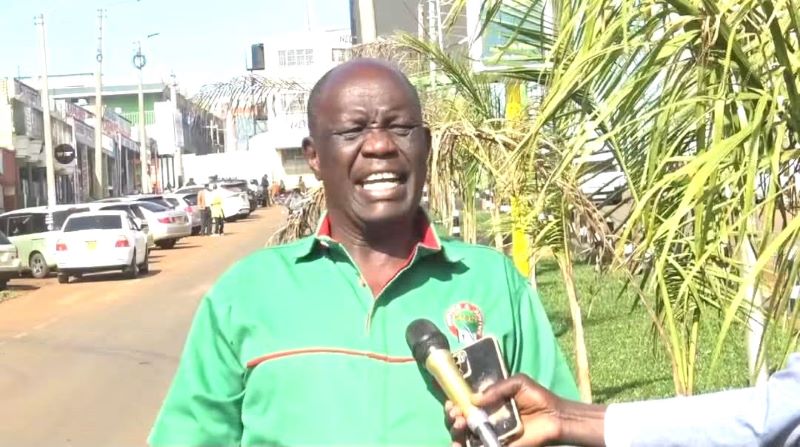
- The Education Committee has completed public hearings across all 47 counties on the proposed reforms.
- Lawmakers will now consider stakeholder submissions before preparing their findings and recommendations for the National Assembly.
- Contentious provisions could be amended, but the conclusion of public participation does not enact the reforms.
The proposed education reforms have entered a critical stage after the National Assembly Departmental Committee on Education completed its countrywide public participation exercise, paving the way for consideration of views gathered from stakeholders.
The committee concluded the exercise in Bomet and Samburu on Friday, October 2, after visiting all 47 counties to collect views and memoranda on the proposed Education Reform Bills.
The completion of the public participation exercise means the Bills now move to the next phase of the legislative process, where lawmakers will scrutinise the views presented by teachers, parents, school heads, unions, learners and other stakeholders.
The committee is expected to retreat to consider the submissions and compare the concerns raised across the counties with the provisions contained in the proposed legislation.
Areas that emerge as contentious or requiring clarification could result in amendments before the committee finalises its report.
The report will contain the committee’s findings and recommendations and will subsequently be presented to the National Assembly for consideration.
The Bills will then proceed through the remaining parliamentary stages, including debate and voting, before they can be passed and eventually become law, subject to the constitutional legislative process.
Reforms yet to take effect
The conclusion of public participation, however, does not mean that the proposed reforms have taken effect.
Instead, the views collected during the exercise will provide Parliament with an opportunity to assess the proposals against the concerns and recommendations raised by Kenyans across the country.
The process has attracted significant interest from the education sector, particularly teachers, school administrators, parents and education unions, who are keen to see how their submissions will influence the final legislation.
Stakeholders have therefore been urged to continue monitoring the parliamentary process as the committee considers the submissions and formulates its recommendations.
With the 47-county exercise now complete, attention shifts from public hearings to Parliament, where the next phase could determine the shape of the proposed education reforms.
READ ALSO: KNUT Nandi officials protest movement of JSS teachers to KUPPET
The outcome of the committee’s deliberations will be closely watched as stakeholders await to see which proposals will be retained, amended or dropped before the Bills proceed to the next stage.
By Jeff Kirui
Get more stories from our website: Education News
To write to us or offer feedback, you can reach us at: editor@educationnews.co.ke
You can also follow our social media pages on Twitter: Education News KE and Facebook: Education News Newspaper for timely updates.
>> Click here to stay up-to-date with trending regional stories