- Ndiema Alfred argues that delayed payment of KNEC-contracted professionals is primarily a funding issue that requires urgent action by the National Treasury and the Ministry of Education.
- Delayed payment of KNEC-contracted professionals has caused financial hardship for thousands of teachers who served during the 2025 national examination cycle.
- The funding bottleneck lies with the National Treasury and the Ministry of Education rather than KNEC, the writer argues.
- Timely release of funds is essential to protect the integrity of national examinations and restore confidence among contracted professionals.
The continued delay in paying professionals who served during the 2025 Kenya National Examinations Council (KNEC) examination cycle has caused understandable frustration among examiners, supervisors, invigilators and centre managers across the country. After months of waiting, many have been left struggling financially despite faithfully delivering one of the country’s most critical national assignments.
Their disappointment is justified. Individuals who dedicate their time, expertise and energy to safeguarding the integrity of Kenya’s national examinations deserve timely compensation. Delayed payment undermines morale, places unnecessary financial pressure on education professionals and risks discouraging experienced personnel from participating in future examination exercises.
However, as this debate continues, it is important to correctly identify where the problem lies.
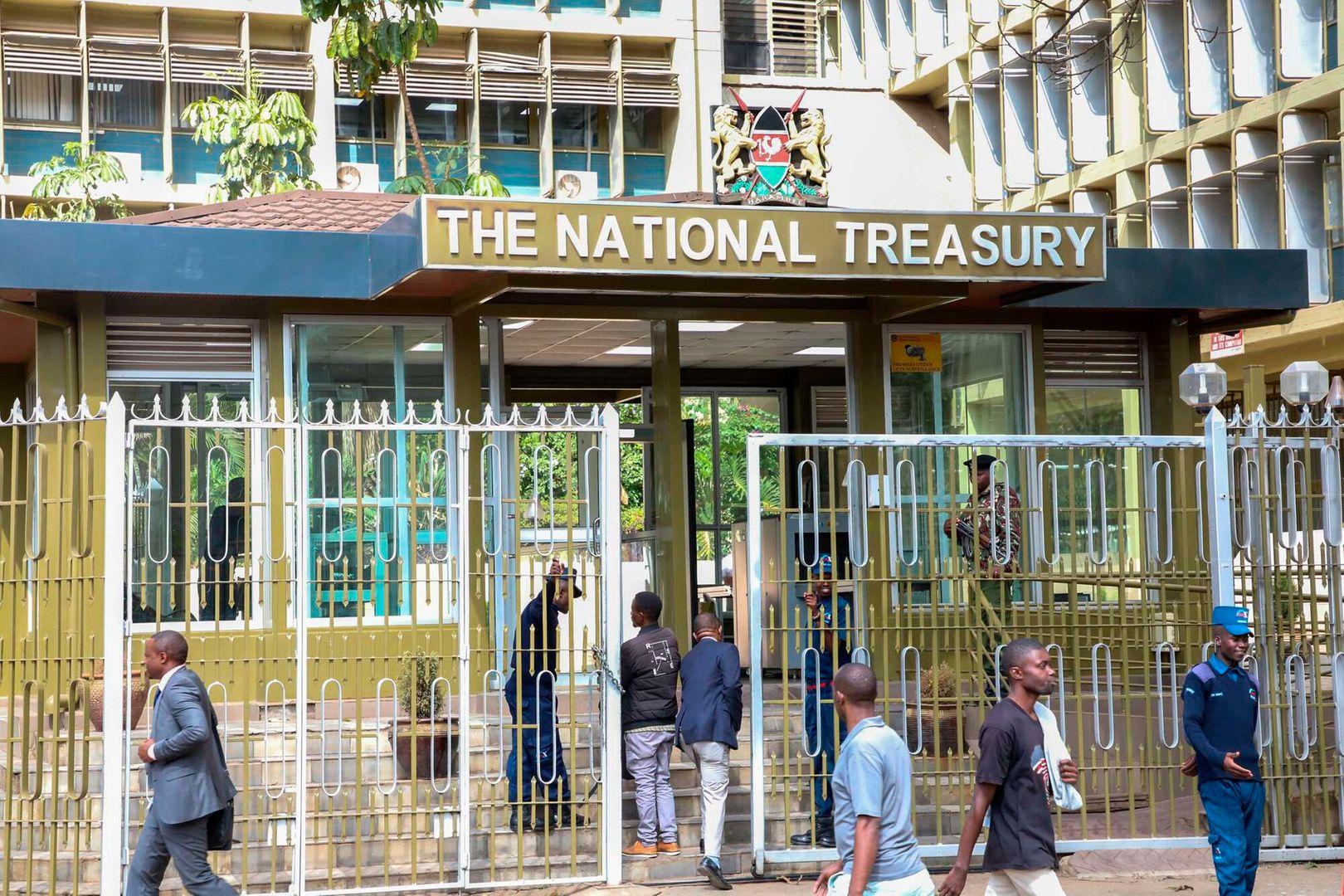
Many affected professionals have directed their frustration entirely at KNEC. While the Council administers national examinations and coordinates payment processes, it cannot disburse funds that have not been released to it. The payment of contracted professionals ultimately depends on exchequer releases from the National Treasury through the Ministry of Education. Where those funds are delayed, the entire payment chain inevitably stalls.
This distinction is important because effective advocacy depends on addressing the right institution. Blaming KNEC alone risks diverting attention from the fiscal bottlenecks that require urgent government intervention.
At the same time, KNEC has in recent years introduced significant reforms aimed at improving the administration of national examinations. Investments in digital systems, logistical improvements and stronger integrity measures have strengthened public confidence in Kenya’s examination system. These reforms should be protected and supported rather than undermined by frustrations arising from delayed funding.
Now that the 2026/2027 Financial Year has commenced, the National Treasury and the Ministry of Education have an opportunity to resolve the matter decisively. The outstanding allowances for professionals who served during the 2025 examination cycle should be prioritised and released without further delay.
More importantly, government should establish predictable funding timelines so that contracted professionals know when to expect payment after completing their assignments.
Professionalism must also remain at the centre of this conversation. Teachers and other examination officials have every right to demand prompt payment for services rendered. However, that advocacy should remain constructive, organised and directed towards the institutions responsible for releasing the funds. Protecting the integrity of Kenya’s examination system and securing fair treatment for contracted professionals are complementary objectives, not competing ones.
READ ALSO: Beyond qualifications: What attracts or hinders promotion at TSC
Ultimately, those who safeguard national examinations deserve more than appreciation—they deserve timely remuneration. Resolving these payment delays is not merely a financial obligation; it is an investment in the credibility, stability and future of Kenya’s education system.
By Ndiema Alfred
Alfred is Experienced Educator
You can also follow our social media pages on Twitter: Education News KE and Facebook: Education News Newspaper for timely updates.
>>> Click here to stay up-to-date with trending regional stories
>>> Click here to read more informed opinions on the country’s education landscape
>>> Click here to stay ahead with the latest national news.