- David Ndii has warned that Kenya’s higher education funding needs will surge from KSh80 billion to KSh350 billion within five years.
- He has projected that university and TVET enrolment will double from 1.2 million to 2.5 million students over the same period.
- The government has indicated it is considering a universal funding framework as it reviews the existing student-centred financing model.
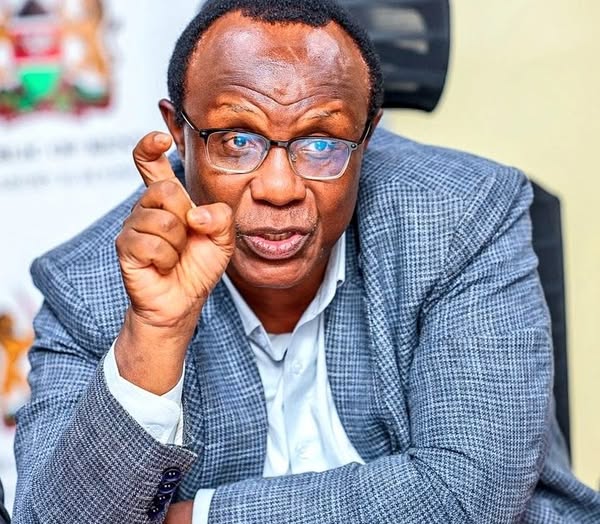
Kenya’s higher education financing needs are set to rise sharply from about KSh80 billion to KSh350 billion within the next five years, as student enrolment in universities and Technical and Vocational Education and Training (TVET) institutions is projected to double, President William Ruto’s Economic Adviser David Ndii has warned.
Ndii projected that enrolment will grow from the current 1.2 million to approximately 2.5 million students over the next five years, driven by Kenya’s growing population of secondary school graduates, improved transition rates to tertiary education, and continued government efforts to widen access to higher learning. The Competency-Based Education (CBE) system is also expected to push enrolment higher as larger cohorts of learners progress into tertiary institutions.
Despite the projected growth, Ndii cautioned that the country’s current financing model may not be capable of supporting such a sharp increase in student numbers, warning that it would create one of the largest funding challenges the education sector has faced and place significant pressure on the national budget.
He outlined three policy options facing the country. The first is to reduce the number of students admitted into universities and TVET institutions, which would lessen the financial burden on government but lock out thousands of qualified students seeking higher education and labour-market skills.
ALSO READ: End of university funding as we know it? Govt plots shift to universal student support model
The second is to continue expanding access without a corresponding increase in funding, an approach Ndii warned would result in severe underfunding, straining institutions’ ability to meet operational costs, maintain infrastructure, recruit academic staff and invest in research, and potentially leading to overcrowded classrooms, declining academic standards and growing institutional debt.
The third option, which Ndii described as the most sustainable path forward, is to redesign Kenya’s higher education financing model into a framework capable of accommodating a rapidly growing student population while allocating public resources efficiently, fairly and sustainably.
His remarks come as the government reviews the country’s higher education funding framework following legal, financial and operational challenges linked to the student-centred funding model introduced in recent years, which classifies students into funding bands based on financial need and has faced public debate and court challenges. The government has indicated it is considering a universal funding framework to ensure eligible students receive support regardless of whether they enrol in public or private universities.
ALSO READ:
Ten higher education funding models shaping the world’s future
Many public universities are already under financial strain due to delayed government disbursements, rising operational costs and accumulated debts, with several institutions forced to postpone development projects, cut expenditure and seek alternative revenue sources to remain operational. A doubling of enrolment without matching financial support would deepen these existing pressures.
Ndii’s warning places renewed urgency on reforms to Kenya’s higher education financing, with the scale of the projected enrolment growth underscoring the stakes involved in the government’s ongoing review of the university funding model.
By Hillary Muhalya
You can also follow our social media pages on Twitter: Education News KE and Facebook: Education News Newspaper for timely updates.
>>> Click here to stay up-to-date with trending regional stories
>>> Click here to read more informed opinions on the country’s education landscape