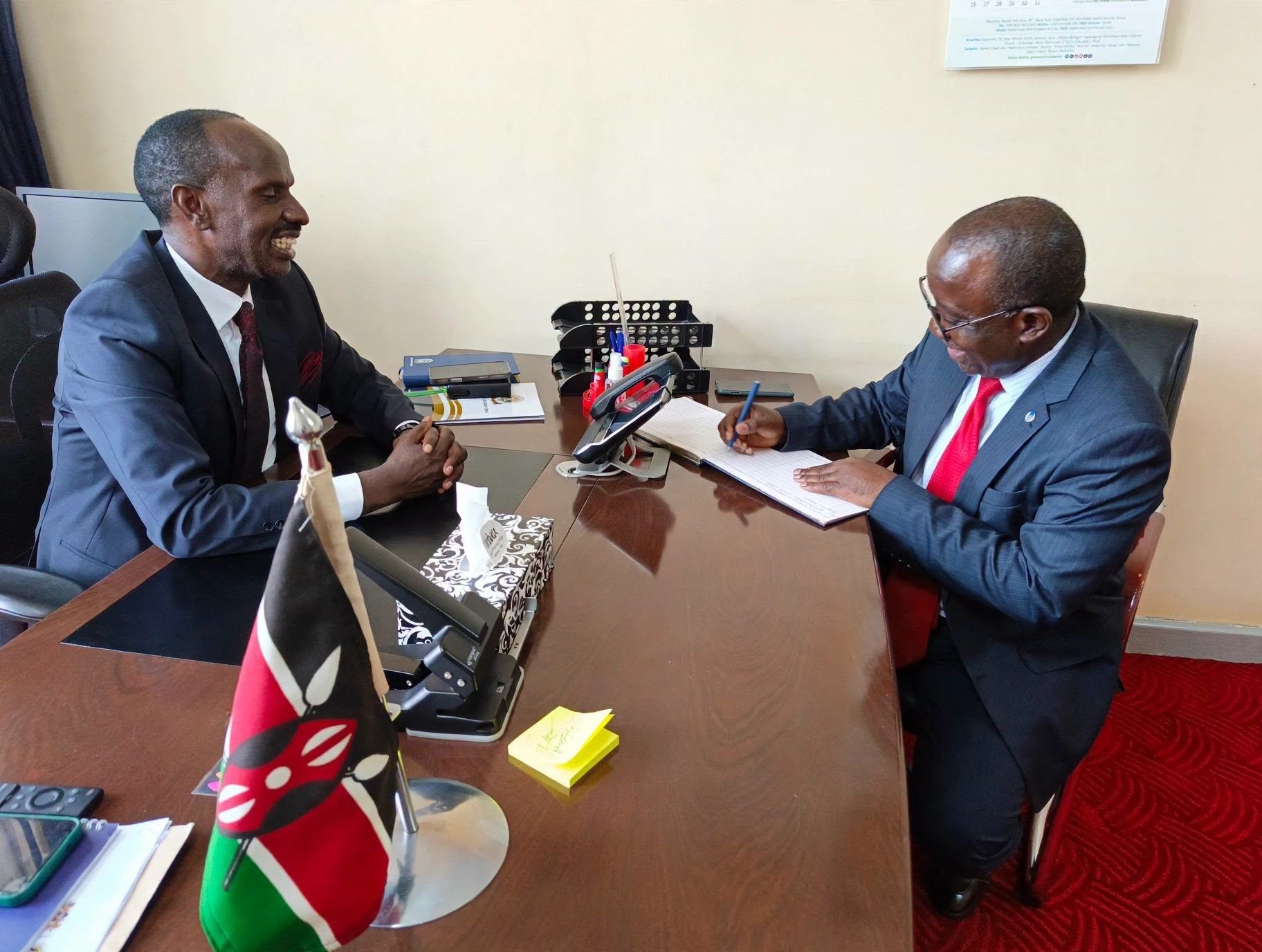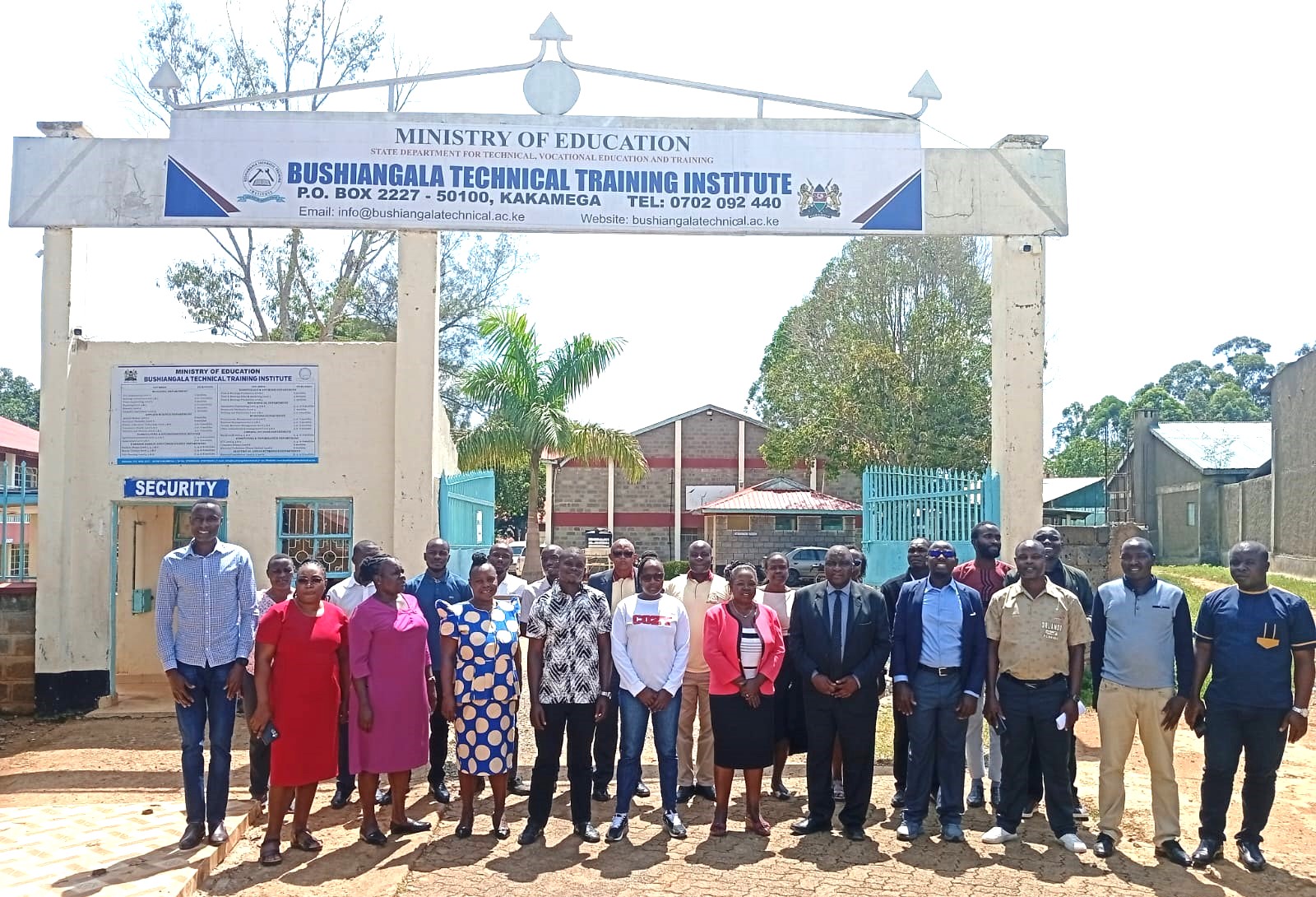
Dr. Wilberforce Manoah Jahonga, Deputy Principal at Bushiangala Technical Training Institute, reflects on corruption in TVET institutions and the limits of policy without integrity.
The German constitutional scholar Ernst-Wolfgang Böckenförde once posed a troubling idea: a democratic system depends on shared moral values, yet it cannot itself produce or guarantee those values. In his words, the state “lives on premises it cannot guarantee.” Put simply, academic institutions can design guidelines and policies, for example, on the prevention of bribery and corruption, but at the end of the day, they depend on the integrity, honesty, and moral conviction of the very people expected to follow them—yet such virtues cannot be fully enforced by policy, law, or guidelines.
This dilemma feels uncomfortably familiar when one reflects on bribery and corruption in Kenya’s tertiary and higher education institutions. Please convince yourself that it doesn’t exist! Kenya is not short of laws. We have plenty of them, including the Anti-Bribery Act, institutional policies, and regulatory frameworks enforced by bodies like the Commission for Higher Education and the Technical and Vocational Education and Training Authority. They clearly spell out what should be done. Procedures exist. Guidelines exist. Committees exist. Yet corruption persists. Why?
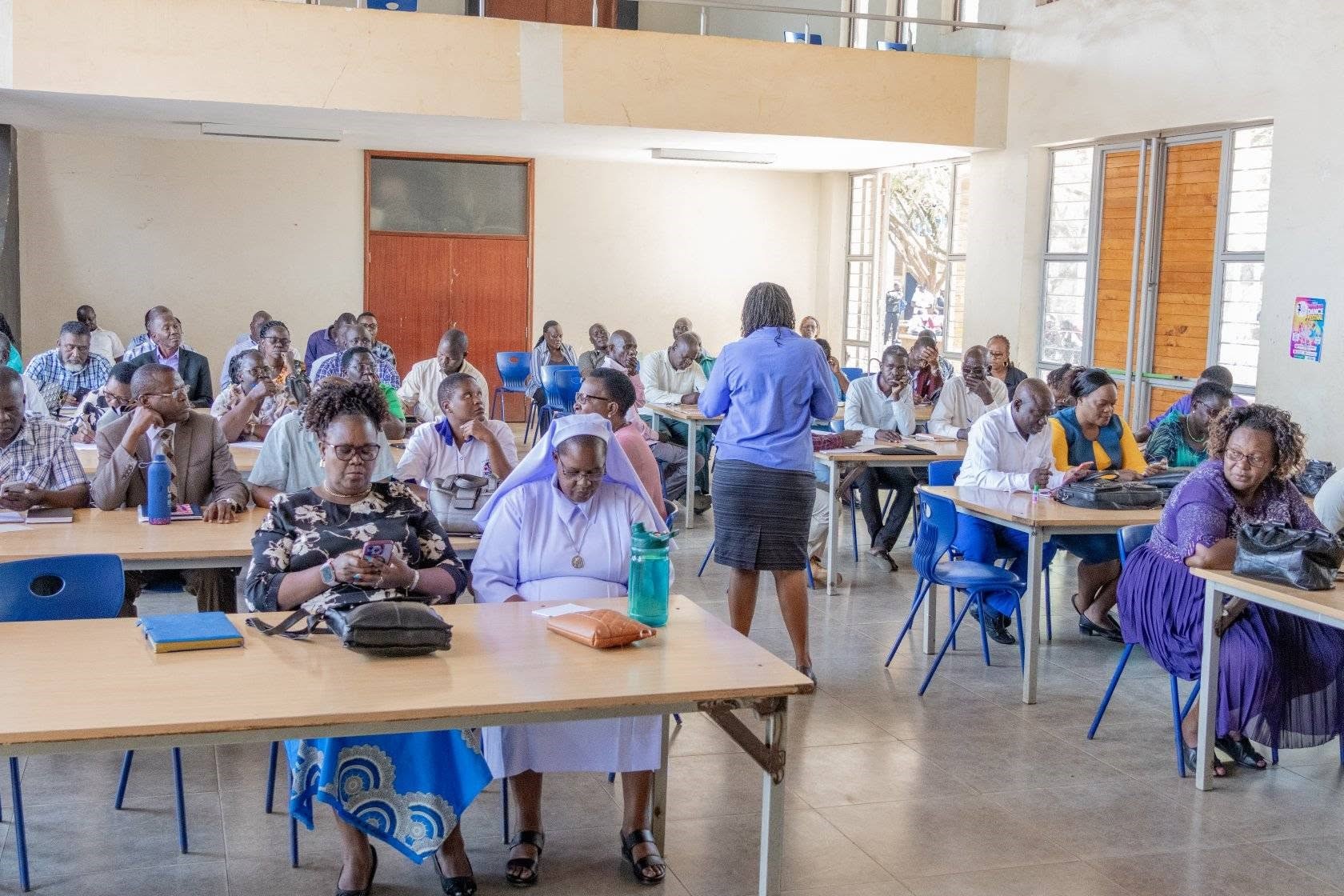
I recently attended a corruption prevention workshop at Bushiangala Technical Training Institute. It was a three-day workshop. To be honest, I walked in with doubt. Corruption in Kenya often feels normalised—discussed everywhere, condemned loudly, yet quietly practised. My first instinct was resistance: why invest time in a conversation whose outcome seems predetermined? When I arrived late, the EACC facilitator—a senior director, John Agar—asked whether I needed a certificate. My answer surprised even me: “I don’t need a certificate. I need knowledge—and its practical application.” That moment changed how I engaged with the workshop.
The first assignment was simple in wording but profound in implication: identify 20 corruption risk areas within a TVET institution. The room came alive. Participants from across the country—Mombasa, Kisii, Bungoma, Rift Valley, Nyanza, Western—quickly listed departments: procurement, finance, academics, registry, administration, internal audit, and industrial liaison. The list grew effortlessly. That was the first shock. We did not struggle to identify where corruption lives. We already knew.
The next task was harder: develop mitigation plans, define outputs, assign responsibilities, and estimate costs. Heated debates emerged—even over technical distinctions like “outputs” versus “outcomes.” It was rigorous, practical, and deeply engaging. There were no passive PowerPoint slides. The facilitator used a competency-based approach—fully participatory, reflective of the competency-based training philosophy. By the end, we had produced a draft corruption risk mitigation plan.
Then came the second assignment: developing procedures for the prevention of bribery and corruption. That was the turning point. Initially, I thought this task would be mechanical—download model procedures from the EACC, contextualise them by replacing institutional names, adjust wording, and finalise the document. But I was wrong. As we worked through the model procedures, section by section, it became clear that these were not just documents—they were legal obligations under the Anti-Bribery Act (Kenya).
And yet, a troubling question lingered: do we believe in what we are writing? By the end of the workshop, we had produced two tangible outputs: a corruption risk mitigation plan and a draft anti-bribery and corruption procedures manual. On paper, it was a success. But beneath that success lay a deeper tension.
As the workshop closed, the regional TVET Director, Joseph Sunguti, reflected candidly. He had seen good people lose jobs, face demotion, or even go to jail due to corruption. His presence lent both authority and weight to the occasion, signalling that the fight against bribery and corruption is not merely an institutional concern but a regional and national priority. He questioned whether we are truly winning this fight. He went further—into uncomfortable territory. He spoke about honesty, integrity, and the danger of condemning corruption publicly while practising it privately. He reminded us, in biblical language, to remove the log from our own eye before pointing out the speck in another’s. That moment was deeply personal because it exposed the contradiction at the heart of our system.
The Principal of Bushiangala TTI, Madam Lucy Muhavi, also warmly thanked all participants for attending and engaging fully. She wished everyone journey mercies and expressed her sincere hope that we would go back and implement the policies in our respective institutions.
One detail stayed with me as we prepared to leave. The EACC had thoughtfully provided religious books on its website for all stakeholders—Christians, Muslims, and Hindus—a quiet but deliberate gesture. I was never aware of this. It felt significant. Perhaps the Commission, too, recognises what Böckenförde understood: that laws and procedures alone are insufficient, and that the moral and spiritual formation of individuals is part of the answer to corruption.
On my way home, the workshop replayed in my mind. Had we achieved anything meaningful? Would these documents be implemented? Then it became clear: this was not just a policy problem. It was Böckenförde’s dilemma in action. Kenya’s education system has rules, procedures, and enforcement mechanisms, but these depend on something deeper—internal moral conviction. A policy can prohibit bribery; it cannot make someone value honesty. A disciplinary process can punish misconduct; it cannot create integrity. This is the dilemma: we rely on ethical behaviour to make the system work, but the system itself cannot produce that ethical behaviour.
Higher education and tertiary institutions operate within structured systems—admissions, examinations, procurement, certification, among many others. These systems are designed to ensure fairness. But when values weaken, systems are manipulated. Admission becomes negotiable; grades become purchasable; procurement becomes transactional; recruitment becomes preferential. Gradually, corruption becomes normal. This normalisation is the real danger. When students see marks being altered, when they witness favouritism, when they observe dishonesty rewarded, they learn—not from the curriculum, but from the culture. And what they learn is this: integrity is optional.
The challenge becomes even deeper when institutions reflect the wider society. How do we teach ethics in classrooms when students see the opposite modelled in leadership, in media, and in everyday life? How do we promote merit when shortcuts appear to succeed? How do we demand integrity when corruption seems systemic? These are not procedural questions—they are moral ones.
This is where Böckenförde’s insight becomes unavoidable. No amount of regulation can replace values. For TVET institutions, this means leadership must model integrity—not just enforce it. Staff must internalise ethical responsibility—not just comply with rules. Students must be formed in character—not just trained in skills. Winning the war against corruption requires not just stronger systems, but transformed hearts. Ultimately, corruption is not just a legal failure—it is a moral one.
READ ALSO: CS Ruku declares total war on corruption in Civil Service
The workshop left me with both hope and uncertainty. Hope—because there is awareness, effort, and willingness to act. Uncertainty—because implementation depends on something deeper than policy. If TVET institutions are to overcome bribery and corruption, they must rebuild a culture of merit and fairness, strengthen accountability systems, promote transparency in all operations, and engage communities and stakeholders in reinforcing ethical values. But above all, they must confront the central question: do we truly believe in integrity, even when no one is watching?
As we left the workshop, we carried documents, plans, and renewed commitment. But we also faced a dilemma. Kenya has the laws. Tertiary and higher education institutions have the procedures. What remains uncertain is whether we have the shared moral foundation to sustain them. That is Böckenförde’s warning—and perhaps, it is also our challenge.
By Dr. Wilberforce Manoah Jahonga
Dr Jahonga is the Deputy Principal at Bushiangala Technical Training Institute and also the Youth Pastor at the Redeemed Gospel Church-Kakamega.
You can also follow our social media pages on Twitter: Education News KE and Facebook: Education News Newspaper for timely updates.
>>> Click here to stay up-to-date with trending regional stories
>>> Click here to read more informed opinions on the country’s education landscape
>>> Click here to stay ahead with the latest national news.