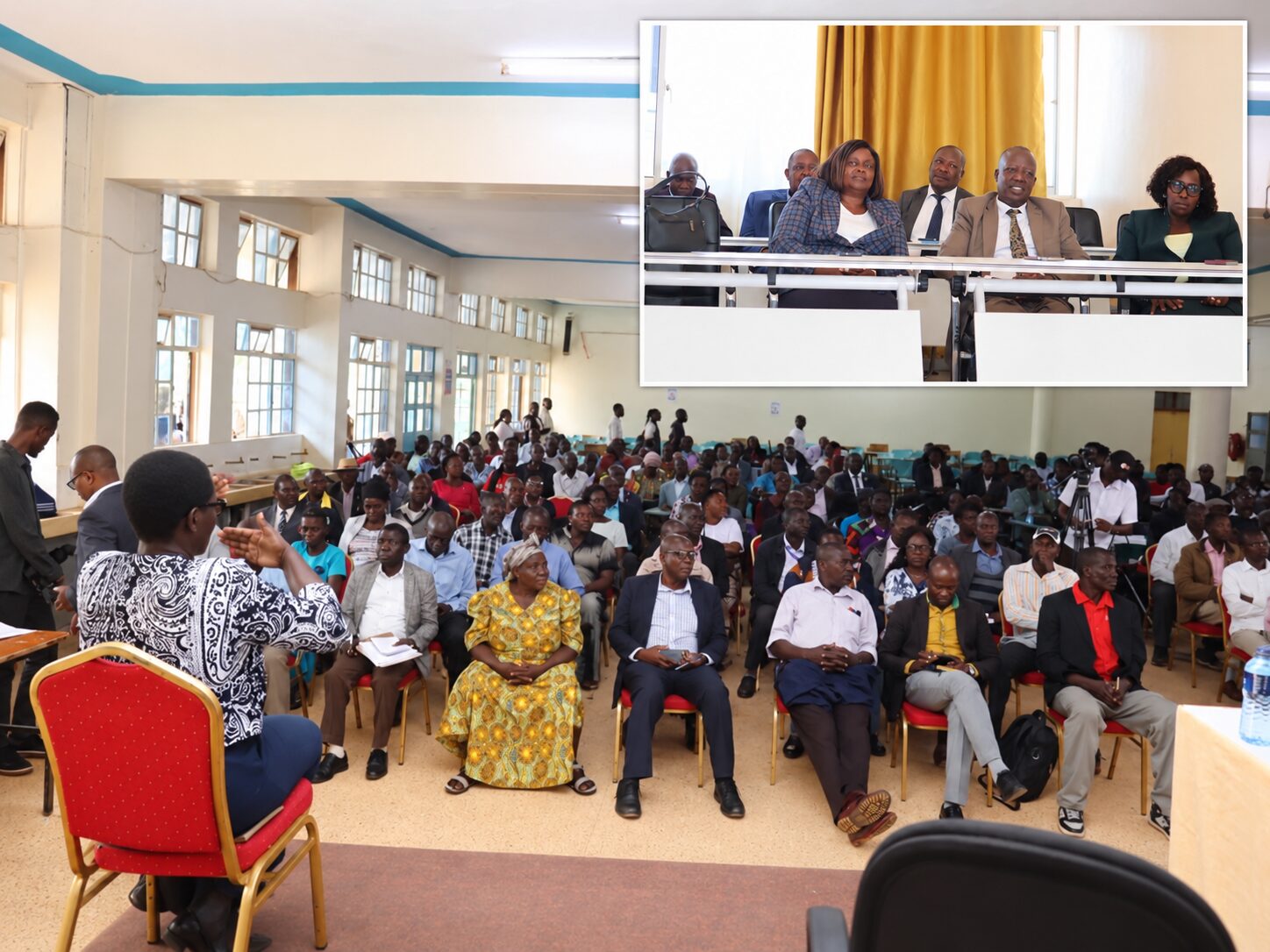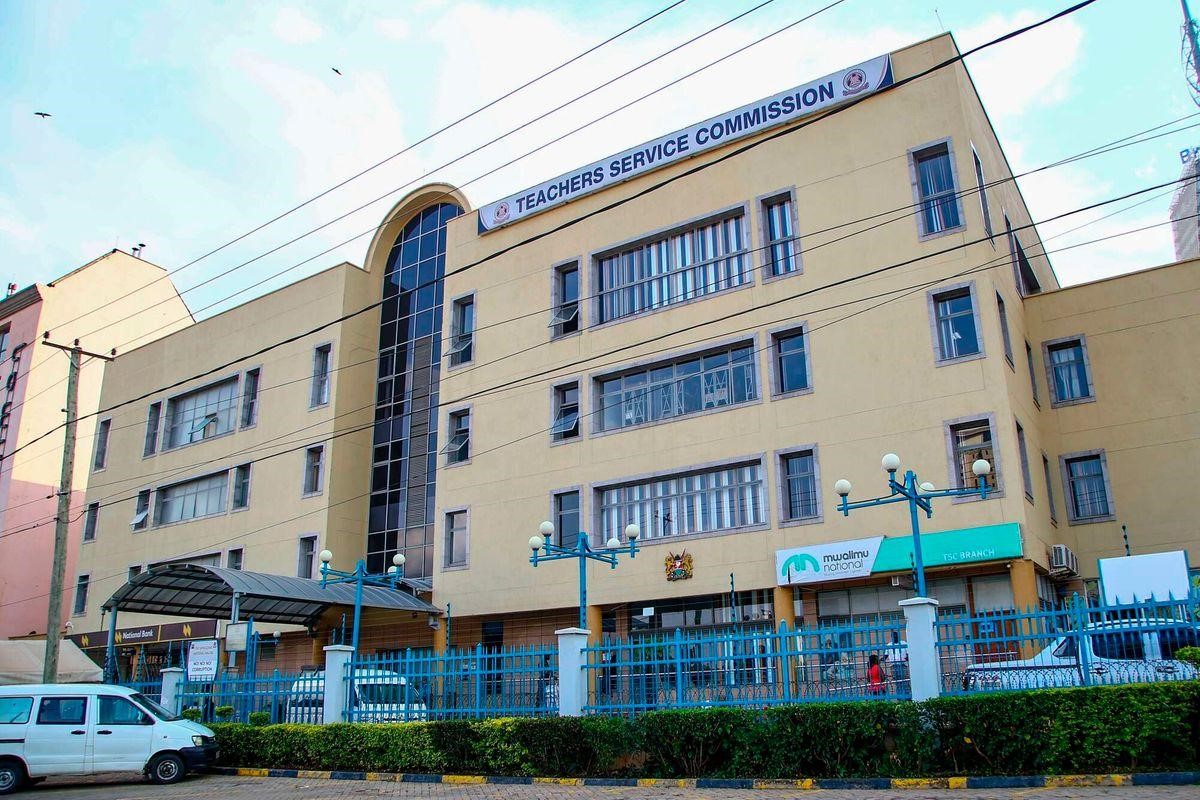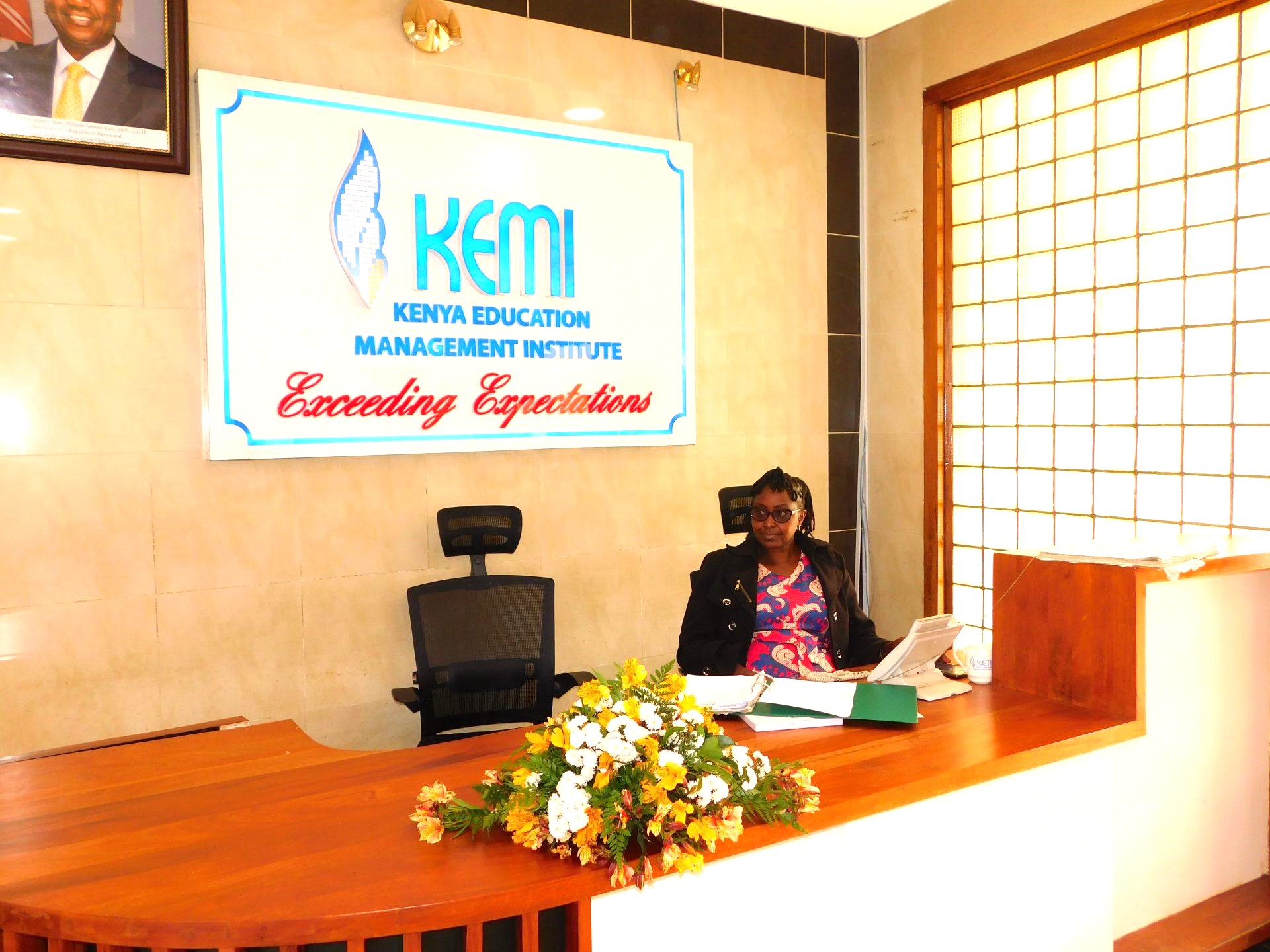
All Heads of Institutions across the country are expected to log in to a critical online engagement convened by the Kenya Education Management Institute (KEMI), a high-level professional session taking place at a time when leadership in educational institutions is facing increased scrutiny, rising expectations, and relentless pressure to deliver measurable results.
This is not an ordinary briefing or a routine administrative gathering. It is a strategic leadership checkpoint designed to interrogate how schools are managed, how public resources are used, and how institutional leaders respond to the rapidly changing demands of the education sector.
The modern school environment has become increasingly complex. The days when institutions operated through assumptions, informal systems, or personality-driven leadership are steadily disappearing.
Schools today are expected to function through structured policy implementation, transparent financial systems, digital integration, professional communication, and measurable performance indicators. Consequently, Heads of Institutions are no longer viewed merely as administrators of timetables and examinations. They are now strategic managers, financial stewards, policy implementers, public relations officers, and accountability champions whose decisions directly shape the stability and credibility of institutions.
It is against this backdrop that the KEMI online meeting is expected to place leadership and governance at the centre of discussion.
Ethical leadership, institutional accountability, and effective governance systems are likely to dominate the opening sessions. The underlying message is straightforward and unavoidable: where leadership is weak, institutions become unstable; where leadership is clear, disciplined, and visionary, systems function effectively, and confidence grows among staff, learners, parents, and stakeholders.
In many institutions today, some administrators continue to operate with excessive secrecy, centralised authority, and limited consultation.
Research and practical observations in schools have consistently shown that a significant number of institutional leaders rarely induct their deputies, departmental heads, bursars, or senior teachers into the day-to-day operations and financial management processes of their institutions.
This style of egocentric administration often creates fear, mistrust, confusion, and operational paralysis whenever the head of institution is absent or transferred.
Institutions should not revolve around one individual. Strong systems are built through shared responsibility, structured delegation, and institutional continuity.
The KEMI engagement is therefore expected to reinforce the importance of collaborative leadership and professional teamwork.
School heads will likely be reminded that delegation is not a weakness and consultation is not a loss of authority. A principal who fears involving deputies and teachers in operational matters weakens the institution instead of strengthening it.
Sustainable leadership is measured not by how much one controls alone, but by how effectively systems continue to function even in one’s absence.
Policy implementation will also take centre stage during the engagement.
Education reforms continue to redefine learning institutions at every level, and Heads of Institutions are expected to remain fully aligned with these transformations.
The implementation and consolidation of Competency-Based Education (CBE) remain among the most significant shifts in the Kenyan education system, requiring school leaders to move beyond awareness and embrace disciplined execution.
Policies are not issued for ceremonial reading or selective implementation. They are intended to guide institutional practice, resource allocation, curriculum delivery, and learner development.
For many school heads, adapting to the demands of CBE has become both a leadership and management challenge.
Infrastructure gaps, staffing shortages, inadequate learning resources, and financial constraints continue to strain institutions. Yet despite these challenges, schools are expected to maintain standards, protect learner welfare, and ensure educational reforms move forward effectively.
The KEMI meeting is expected to remind institutional leaders that successful reform implementation depends heavily on leadership preparedness, organisational discipline, and strategic planning.
Financial accountability remains another critical pillar likely to dominate the discussions.
Public institutions today operate under intense financial scrutiny from government agencies, auditors, parents, and the public. Capitation funds, procurement procedures, infrastructure development projects, and school expenditures have become sensitive areas that directly determine the credibility of institutional leadership.
The era when financial records could be casually handled or poorly documented is rapidly disappearing.
School heads are expected to uphold strict financial discipline, ensure proper procurement procedures, maintain transparent records, and demonstrate value for money in every institutional project undertaken.
Procurement decisions in schools must prioritise quality, durability, and long-term institutional benefit rather than cheap shortcuts or politically influenced considerations.
While communities may naturally favour local artisans and familiar suppliers, Boards of Management and school leaders must remain guided by quality workmanship and institutional interests.
The issue of quality infrastructure is becoming increasingly important in schools.
Desks, lockers, classroom doors, teacher seats, office furniture, ICT equipment, laboratories, and school buildings are no longer viewed merely as physical assets but as investments that reflect the seriousness of institutional leadership.
Poor workmanship, substandard materials, and rushed procurement continue to cost schools heavily through constant repairs, replacements, and maintenance. In contrast, quality investments create durable systems that support learning effectively for many years.
Digital transformation is another unavoidable area that the KEMI meeting is expected to address extensively.
Schools are steadily moving into technology-driven systems where administration, teaching, reporting, and communication are increasingly digitised. ICT integration is no longer optional or experimental. It is now a core operational requirement.
School heads are therefore expected to embrace digital systems, support ICT champions, and strengthen institutional technological capacity.
However, one growing concern in many institutions is the heavy burden placed on ICT teachers and digital champions.

In several schools, ICT champions continue to shoulder enormous responsibilities beyond classroom teaching. They manage computer laboratories, troubleshoot technical problems, maintain school printers and projectors, support online reporting systems, assist teachers with digital platforms, and coordinate technology integration without adequate recognition or compensation.
The meeting is expected to challenge school leaders to appreciate and support these professionals who remain central to the digital transformation agenda.
Human resource management is also expected to feature prominently.
Schools are not merely physical spaces of learning but human environments where leadership is tested daily through communication, discipline management, conflict resolution, and staff motivation.
Professional communication remains one of the clearest indicators of leadership maturity within institutions.
Unfortunately, some school memos continue to reflect anger, threats, frustration, and emotional outbursts rather than professionalism. Such communication weakens staff morale and creates unnecessary tension within institutions.
A memo is not meant to humiliate teachers or settle personal frustrations. It is meant to communicate clearly, guide action, maintain order, and document institutional decisions professionally.
The KEMI session is therefore expected to reinforce the importance of professional correspondence and respectful communication within institutions.
When principals struggle to draft professional communication, there is no shame in seeking support from competent English teachers or communication experts within the institution.
Leadership is not diminished by consultation. In fact, effective leaders understand the importance of clarity, tone, and professionalism in institutional communication.
Examination integrity and academic performance will also remain critical agenda areas during the engagement.
National examinations and assessments continue to shape schools’ reputations, yet the integrity of examination management remains under constant scrutiny.
Schools are expected to uphold security protocols, ensure professional supervision, and protect the credibility of assessment systems.
Examination success achieved through irregularities destroys institutional reputation rather than building it.
At the same time, institutional leaders are expected to focus not only on grades but also on holistic learner development.
Schools must remain safe, supportive, and learner-centred environments where discipline, academic growth, talent development, and emotional well-being coexist effectively.
Leadership is ultimately measured not merely by examination mean scores, but by the quality of learners institutions produce for society.
Throughout the KEMI engagement, one message is expected to remain dominant and consistent: leadership in education is under intense pressure, and excellence can no longer be assumed — it must be demonstrated through systems, accountability, professionalism, and measurable performance.
Heads of Institutions are being challenged to move beyond administrative survival and embrace transformational leadership that builds strong institutions capable of withstanding scrutiny, change, and growing public expectations.
This online meeting is therefore more than a professional gathering. It is a leadership mirror that reflects the evolving expectations placed on school heads in a rapidly changing educational landscape.
READ ALSO: Nationwide DELM exams highlight KEMI’s role in building dynamic school leaders
It is a reminder that institutions rise or fall on the quality of leadership guiding them.
In today’s education system, credibility is no longer built through titles alone. It is earned through accountability, competence, integrity, teamwork, and disciplined service delivery.
By Hillary Muhalya
You can also follow our social media pages on Twitter: Education News KE and Facebook: Education News Newspaper for timely updates.
>>> Click here to stay up-to-date with trending regional stories
>>> Click here to read more informed opinions on the country’s education landscape