Kenya’s education system is going through an important transition. With the implementation of the Competency-Based Curriculum (CBC) in Grade 10 and the ongoing School-Based Assessment (SBA), the country is beginning to see more clearly what the competency-based approach means in everyday classroom practice.
This transition raises an important question: Are we changing only the curriculum, or are we also changing the way we teach?
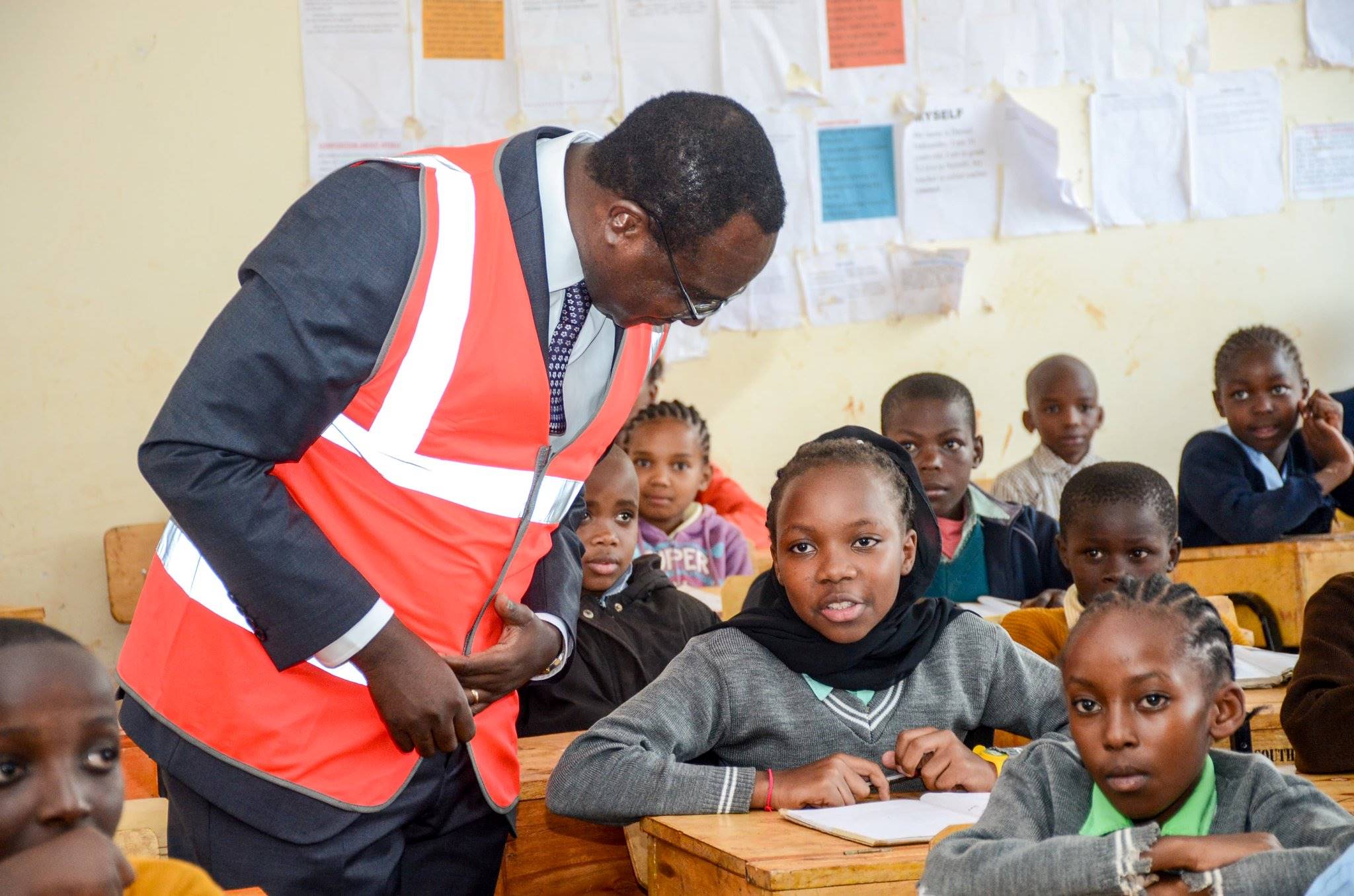
The answer matters because CBC cannot succeed simply because new curriculum designs have been developed, teachers have attended retooling sessions, or schools are completing assessment records. Its success will ultimately be seen in what happens when a teacher enters a classroom, and learners are given an opportunity to think, create, investigate, communicate, solve problems and demonstrate what they can do.
For many years, teaching in Kenya has largely been associated with the teacher explaining and learners listening, taking notes and preparing for examinations. Competency-based learning requires a different approach. The teacher remains an important source of guidance and knowledge, but learners must be given greater opportunities to participate in the learning process.
A science lesson, for example, should not always end with learners recalling a definition from their notebooks. They should have opportunities to observe, experiment, ask questions and apply what they have learnt. In languages, learners should be given opportunities to communicate, present ideas and use language in meaningful situations. In technical and practical subjects, they should be able to demonstrate skills rather than merely describe them.
This is where the ongoing Grade 10 SBA becomes particularly important. According to the Kenya National Examinations Council (KNEC), competency-based assessment is intended to establish not only what learners know, but also what they can do. The 2026 Grade 10 SBA guidelines provide for projects and practical activities, with teachers using prescribed assessment tools and rubrics and retaining evidence of learners’ work. This is a significant shift in the way assessment is understood.
Assessment should not be viewed simply as another requirement to be completed. When used properly, it gives a teacher a window into the learner’s progress. A learner may perform well when answering written questions but struggle to apply knowledge to a practical situation. Another may not perform as strongly in a written test but demonstrate creativity, confidence, communication skills or practical ability.
ALSO READ:
CUE: 2,718 university disciplinary appeals remain unresolved as students face academic uncertainty
Frequent assessment enables a teacher to identify such gaps early and provide appropriate support. It also helps the teacher reflect on whether a particular teaching approach is working. The question should therefore not always be, “How many marks has the learner scored?” It should also be, “What has the learner understood? What can the learner do? Where is the difficulty, and what can I do differently to help?”
The Ministry of Education’s National Education Sector Strategic Plan 2023–2027 recognises the importance of strengthening curriculum and assessment standards and building capacity in competency-based assessment. The challenge now is to ensure that these policy intentions reach the classroom in practical ways.
Teacher retooling has been an important part of the transition to CBC. However, changing an education system is not something that can be achieved through a few training sessions. Teachers need continuous support. Research on CBC implementation in Kenya has repeatedly highlighted teacher preparedness, resources, workload and assessment practices as important factors.
This should encourage the Ministry of Education and the Teachers Service Commission (TSC) to view retooling as an ongoing process rather than a one-off event. Teachers should have opportunities to return to the issues they find difficult, share experiences and seek clarification as implementation progresses. There is also a role for the Kenya Institute of Curriculum Development (KICD), KNEC and quality assurance teams to provide continuous professional support.
Quality assurance officers have an important role to play in this transition. However, their work should not be perceived only as checking whether schools have complied with requirements. They can become valuable partners in solving classroom challenges. A school may have teachers who understand the philosophy of CBC but struggle to translate it into practical lessons. Another may have difficulties developing appropriate rubrics or managing practical activities in large classes. Such gaps should attract support.
Garissa residents push for Arabic in Kenya’s education curriculum
Sometimes the best professional development may not be another long workshop. A teacher may learn more by observing a colleague successfully conducting a learner-centred lesson, discussing the experience and trying the approach in their own classroom. Quality assurance can therefore become a bridge between policy and classroom practice.
Teachers themselves have an important role in making the transition work. Every school has teachers with different strengths and experiences. Some are good at project-based learning. Others are skilled in assessment, technology or practical activities. These strengths should be shared. Heads of department, senior teachers and other experienced teachers can organise professional discussions where colleagues share what is working and the challenges they are encountering. Teachers can observe one another’s lessons, jointly prepare learning activities, moderate learners’ work and develop assessment tools together.
Most importantly, such collaboration should not become a platform for fault-finding. Teachers need a professional environment where they can admit that something is difficult and receive help without feeling judged. If we want learners to collaborate, teachers must demonstrate collaboration themselves.
Learners must also change their mindset. CBC will not achieve its intended purpose if learners remain passive recipients of information. Learners should be encouraged to ask questions, conduct investigations, work in teams, make presentations, solve problems and reflect on their own progress. They should also be allowed to make mistakes and learn from them. This does not mean that academic knowledge is no longer important. Knowledge remains the foundation upon which competencies are built. The difference is that learners should be helped to use that knowledge meaningfully.
ALSO READ: UASU strike looms as public universities race to break lecturers’ CBA deadlock
As the Grade 10 SBA continues, the Ministry should pay close attention to feedback from classrooms. Teachers are among the people best placed to identify what is working and what is not. Are the assessment requirements manageable? Do teachers understand the rubrics? Are schools adequately resourced? Are learners receiving enough opportunities to practise the competencies? Which areas require additional teacher support? The answers should inform further training, resource allocation and curriculum support.
There is a danger that CBC could become a compliance exercise if schools concentrate more on completing records, uploading scores and preparing portfolios than on what learners are actually gaining from the process. A portfolio should tell a story of learning. A project should allow a learner to think and create. An assessment should provide information that helps the teacher improve instruction. And a classroom should allow learners to demonstrate abilities that may not always be visible in a written examination.
Kenya has made a significant investment in CBC. The next step is to ensure that the investment translates into better classroom experiences and meaningful learning. Ultimately, the success of CBC should not be measured by the number of forms completed or assessments uploaded. It should be reflected in what our learners are able to think, create, communicate, solve and become.
By Astiba Kebong’o
Get more stories from our website: Education News
To write to us or offer feedback, you can reach us at: editor@educationnews.co.ke
You can also follow our social media pages on Twitter: Education News KE and Facebook: Education News Newspaper for timely updates.
>> Click here to stay up-to-date with trending regional stories