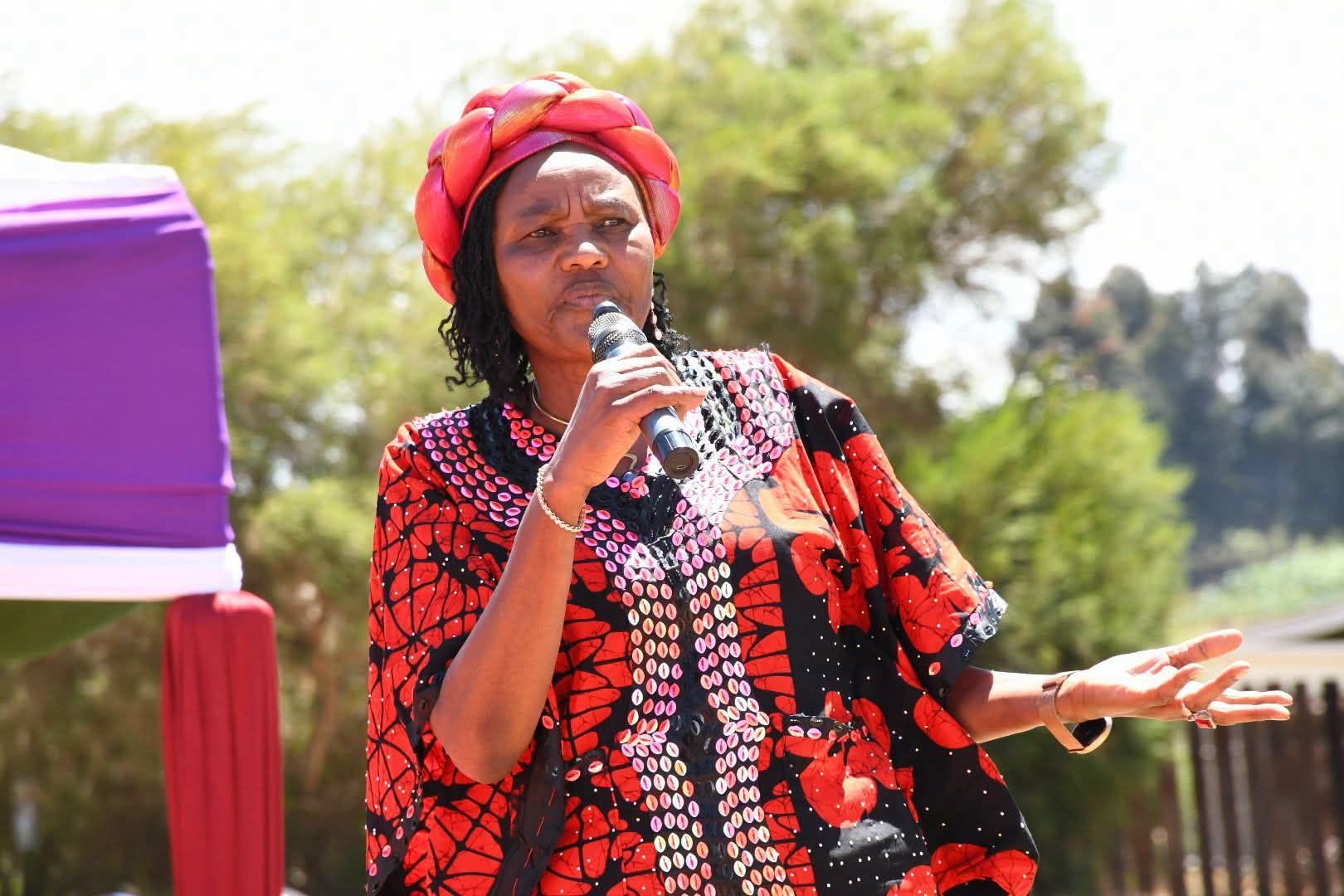
- Baringo County has recorded 7,460 teenage pregnancy cases over two years, with Tiaty West, Tiaty East and Marigat registering the highest prevalence rates.
- Stakeholders have called for stronger parental accountability and enforcement of laws against sexual abuse, as most pregnancies occur during school holidays
Community leaders and gender advocates in Baringo have called for concerted action to address teenage pregnancies, after 7,460 cases were reported at health facilities in the county over two years.
The figures, drawn from the latest Kenya Demographic and Health Survey (KDHS), show that Baringo recorded more than 3,500 pregnancies annually among girls aged 15 to 19 in 2024 and 2025. The county also registered an increase of nearly 100 cases involving early adolescent pregnancies during the period.
Baringo County Director of Gender and Youth Affairs Daudi Aengwo said the statistics could underestimate the extent of the problem, noting that the reported cases mainly come from antenatal care visits, meaning girls in remote areas who do not seek maternal healthcare may not be captured. Speaking in Kabarnet, he said Tiaty West, Tiaty East and Marigat had recorded prevalence rates of 29.88 per cent, 27.56 per cent and 20.48 per cent respectively.
ALSO READ:
Malindi Boys High School to benefit from Sh100 million infrastructure boost under NG-CDF
Aengwo said parents needed to take greater responsibility for protecting children, particularly when schools close for holidays. “Our adolescent girls are very safe when they are at school, but the problem is when they break for holidays because most of the pregnancies were recorded in September,” he said. He said the trend suggested that some parents and child welfare stakeholders were not adequately fulfilling their responsibilities, calling for stronger parental accountability and strict enforcement of laws against sexual abuse and child marriage.
Baringo Deputy County Commissioner Boniface Kabugi said reversing the trend required collective action by government agencies, communities and other stakeholders. “In whichever area you are in, let’s all strive to bring the numbers down,” Kabugi said while addressing county GBV champions. He urged stakeholders to work closely with residents to develop homegrown approaches to preventing teenage pregnancies and gender-based violence.
Carol Jebet, an administrator at the Collaborative Centre for Gender and Development, said communities must become less tolerant of sexual abuse and ensure that cases are reported to the relevant authorities. She criticised the practice of resolving defilement cases through informal community mechanisms. “It is shocking to note that in this era our communities are still lenient to perpetrators of defilement and teenage pregnancies to the extent of applying kangaroo courts to settle matters privately, which is illegal,” Jebet said.
ALSO READ: Meet Mamai Etyang, the teacher behind Kenya’s rising school sports stars
She called for greater awareness of GBV laws so that communities understand how to report cases and pursue justice for survivors, and appealed to the Baringo Woman Representative’s office to revive the “Second Chance” programme, which previously helped girls who dropped out of school after becoming pregnant to return to education.
The advocates said strengthening child protection at household and community level would be critical in addressing the factors contributing to teenage pregnancies in the county.
By Kimutai Langat
Get more stories from our website: Education News
To write to us or offer feedback, you can reach us at: editor@educationnews.co.ke
You can also follow our social media pages on Twitter: Education News KE and Facebook: Education News Newspaper for timely updates.
>> Click here to stay up-to-date with trending regional stories