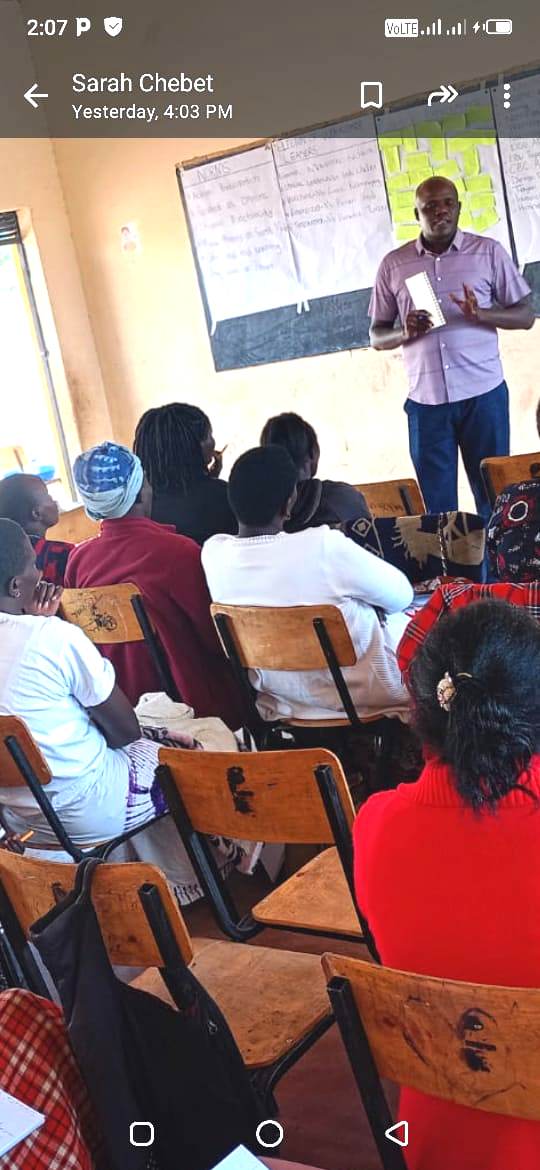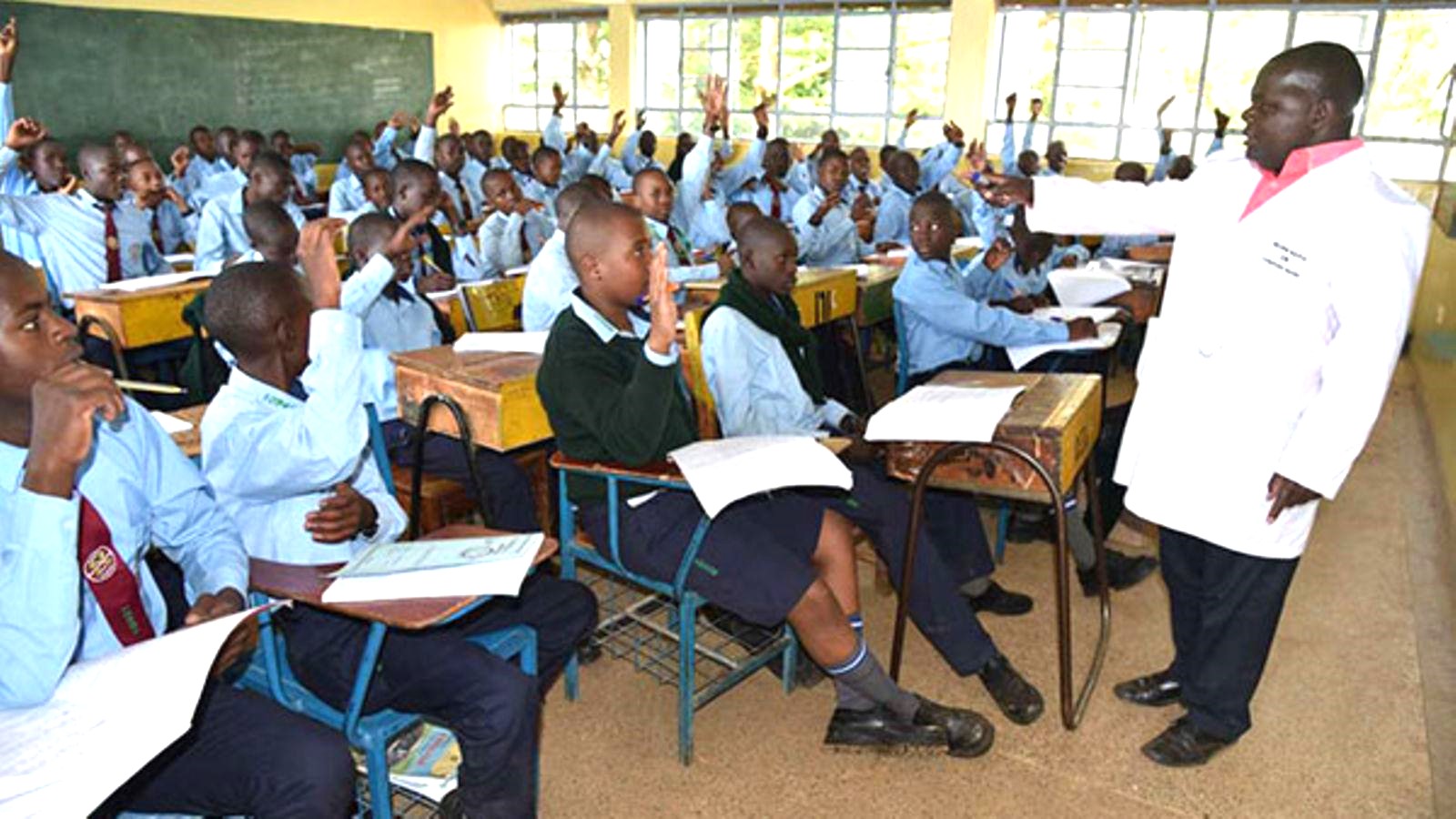
- Hillary Muhalya examines how non-verbal communication can strengthen interaction between teachers and learners in the classroom.
- Eye contact, gestures, facial expressions, posture and movement can reinforce explanations while helping teachers gauge learners’ responses.
- Used purposefully and sensitively, these communication skills can make lessons more engaging, interactive and learner-centred.
Effective teaching is not determined by words alone. In every classroom, communication also takes place through the teacher’s eyes, hands, facial expressions, posture, movement and voice. These non-verbal signals can influence how learners pay attention, interpret information, participate in discussions and respond to the teacher.
A teacher may have excellent subject knowledge and a well-prepared lesson, but the way that lesson is delivered can determine whether learners remain engaged or gradually lose interest.
One of the most powerful tools available to a teacher is eye contact.
Eye contact creates an immediate connection between the teacher and learners. When teachers look at their students while speaking, they communicate attention and recognition. Learners are more likely to feel that they are part of the lesson rather than simply members of an audience listening to a lecture.
Eye contact can also communicate confidence and classroom presence. A teacher who naturally scans the room while explaining a concept demonstrates awareness of what is happening across the classroom. It helps create a sense of interaction between the teacher and learners.
But eye contact serves another important purpose: it helps teachers read the classroom.
Learners do not always verbally announce that they have failed to understand something. Confusion may appear through facial expressions, hesitation, lack of response, distracted behaviour or changes in posture. An observant teacher can use these signals to decide when to pause, rephrase an explanation, give another example or ask a simpler question.
Eye contact can also help maintain attention. A teacher does not always have to stop teaching to address a distracted learner. A brief and appropriate look can sometimes redirect attention without disrupting the flow of the lesson.
However, effective eye contact should be natural and respectful. It should create connection rather than intimidation. Constant staring or deliberately singling out a learner can have the opposite effect and may create discomfort.
Alongside eye contact is another important classroom communication skill: gesticulation.
Making gestures purposeful
Gesticulation is the purposeful use of hand, arm and body movements while speaking. In teaching, gestures can reinforce spoken explanations and give physical meaning to concepts.
For example, a teacher explaining direction, distance, size, movement or comparison can use hand movements to make the explanation more visual. In practical subjects, gestures can complement demonstrations and help learners connect words with actions.
Gestures can also emphasise important points. A teacher may use a deliberate hand movement to signal a key idea, demonstrate a sequence or distinguish between two concepts. Such movements provide learners with another visual pathway through which information can be processed.
Gesticulation can also inject energy into a lesson. A teacher who remains completely static throughout a long lesson may struggle to sustain attention, particularly when dealing with complex or abstract material. Purposeful movement and gestures can introduce visual variety.
But more movement does not necessarily mean better teaching. Excessive or repetitive gestures can become distracting. The objective is not to constantly move but to ensure that movement has a purpose.
Facial expressions form another important part of classroom communication. A teacher’s face can communicate enthusiasm, curiosity, encouragement, concern or seriousness even before words are spoken.
When a teacher shows genuine enthusiasm for a subject, learners can sense that energy. Similarly, a reassuring expression can encourage a hesitant learner to attempt an answer without fear of embarrassment.
Posture also contributes to classroom presence. An open and attentive posture can make a teacher appear approachable, while purposeful movement around the classroom can help maintain engagement and bring the teacher closer to different groups of learners.
Bringing communication together
The combination of these elements can transform classroom communication.
The voice carries the message. Eye contact creates connection. Gestures provide emphasis. Facial expressions communicate emotion. Movement directs attention. Posture reinforces presence.
When these elements work together, teaching becomes more than the transmission of information. It becomes an interaction between the teacher and the learner.
Non-verbal communication can also encourage participation. A teacher can use eye contact to invite a response, gestures to signal that a learner should continue speaking, or facial expressions to encourage a student who is struggling to explain an idea.
This is particularly important in learner-centred classrooms, where students are expected to ask questions, express opinions, collaborate and demonstrate their understanding.
However, teachers must also recognise that learners differ. Some students may be uncomfortable with prolonged eye contact, while cultural expectations surrounding gestures and personal space may vary. Effective teachers therefore use non-verbal communication with sensitivity, professionalism and awareness of individual learners.
The goal is not to perform for the classroom. It is to make communication clearer, more engaging and more human.
Ultimately, teaching is not simply about what a teacher knows. It is also about how effectively that knowledge is communicated.
A well-prepared lesson can lose its impact if learners feel disconnected from the person delivering it. Conversely, purposeful eye contact, appropriate gestures, expressive facial communication and confident movement can help bring a lesson to life.
Don’t just teach with your voice. Teach with your eyes, hands, face, posture and presence.
A powerful teacher does not merely deliver information. The teacher connects, observes, demonstrates, responds and engages.
READ ALSO: Why CSOs remain crucial to TSC’s grassroots operations
Sometimes, what learners remember is not only what the teacher said, but how the teacher made the lesson come alive.
By Hillary Muhalya
Get more stories from our website: Education News
To write to us or offer feedback, you can reach us at: editor@educationnews.co.ke
You can also follow our social media pages on Twitter: Education News KE and Facebook: Education News Newspaper for timely updates.
>> Click here to stay up-to-date with trending regional stories