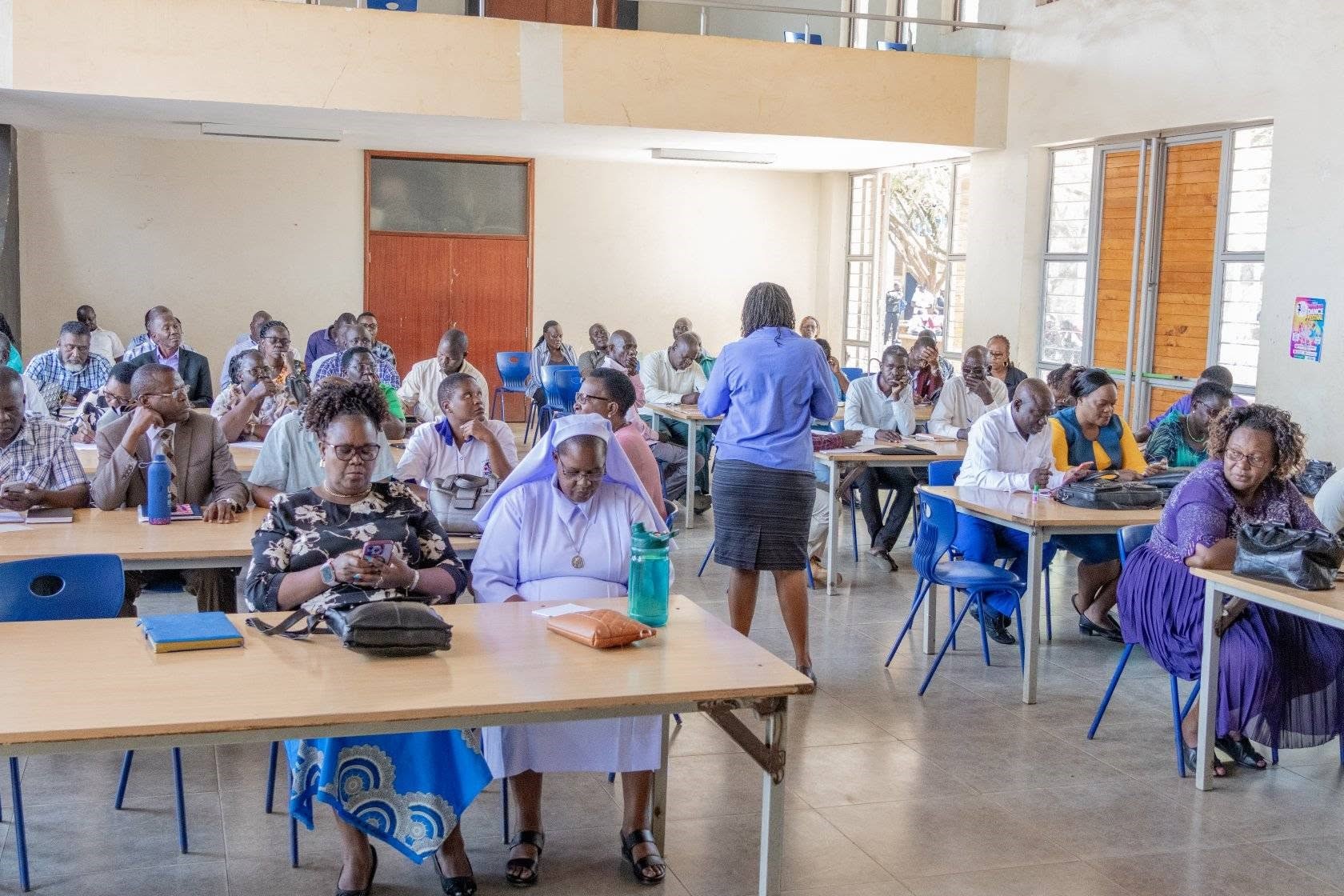
The revelation that more than 151,000 learners from Kenya’s pioneer Competency-Based Education (CBE) cohort are no longer accounted for by Grade 9 has understandably triggered national concern. According to the 2025 National Assessment Insights under CBE, the inaugural group that began Grade 3 in 2019 with 1.28 million learners had reduced to 1.13 million by 2025.
The numbers are worrying. But the conversation around them risks becoming dangerously simplistic.
The dominant narrative emerging from headlines and public debate is that CBE itself is failing. Yet a closer examination suggests the issue is more complex than a curriculum crisis. What Kenya may actually be witnessing is the exposure of long-standing structural weaknesses in the country’s education system — weaknesses that existed long before CBE was introduced.
A shrinking learner cohort does not automatically translate into permanent dropout. Some learners may have transferred to informal or private systems, relocated, repeated classes, or fallen through gaps in data tracking. Without disaggregated evidence, it is premature to conclude that all 151,000 learners have abandoned schooling entirely.
That distinction matters because policy responses built on incomplete assumptions often miss the real problem.
For many Kenyan households today, the greatest threat to education is not curriculum design but economic survival. Rising living costs, food insecurity, transport expenses, and hidden school levies continue to place enormous pressure on families. Even where tuition is subsidised, parents still struggle with uniforms, lunch programs, learning materials, and transport costs.
ALSO READ:
Tinderet’s young learners battle impassable roads as heavy rains batter rural schools
In many communities, especially in informal settlements and arid regions, education competes directly with hunger and household income needs. Some children leave school to support family livelihoods. Others disengage because schools remain overcrowded, under-resourced, and psychologically stressful.
This is why reducing the current crisis to “CBE failure” misses the deeper national reality.
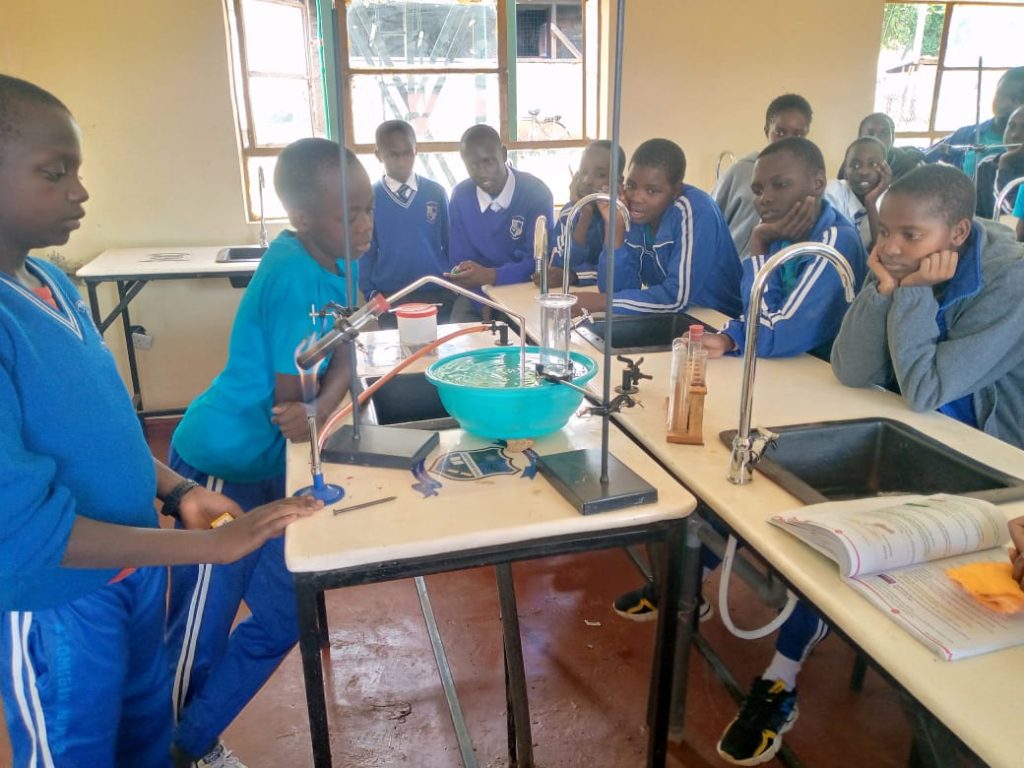
The implementation challenges surrounding Junior Secondary School cannot be ignored either. Since the rollout began, schools have faced teacher shortages, delayed capitation, inadequate classrooms, limited laboratories, and confusion around assessment systems. Many teachers entered the transition without sufficient retraining, while parents remained uncertain about subject pathways and career outcomes under the new model.
CBE was designed to promote practical skills, creativity, and learner-centred education. Yet practical learning cannot succeed in environments lacking equipment, infrastructure, and adequate staffing. In many schools, especially rural and low-income ones, implementation has outpaced institutional readiness.
What is emerging, therefore, may not be evidence that the philosophy of CBE is inherently flawed. Instead, it may reflect the difficulty of implementing ambitious reforms within an unequal education system struggling with financing and capacity constraints.
This is where the media also has an important responsibility.
Education reporting in Kenya often gravitates toward alarm-driven headlines that generate public anxiety but offer limited explanatory depth. Numbers without context can distort public understanding. A more constructive approach would involve deeper data journalism, county-level analysis, and long-term tracking of learner outcomes.
ALSO READ:
Legal regulator’s 4-year strategy to reform law schools and advocates takes shape
For example, which counties are most affected? Are boys or girls dropping out at higher rates? How much of the attrition is linked to poverty, teenage pregnancy, insecurity, migration, or disability? How do current transition rates compare with the previous 8-4-4 system?
These are the questions that should shape national debate.
The way forward requires more than criticism of curriculum reform. Kenya needs targeted interventions that address learner retention directly. Expanding school feeding programmes, strengthening guidance and counselling, improving Junior Secondary infrastructure, and reducing hidden education costs would likely have greater impact than simply redesigning curriculum documents again.
The government also needs stronger early warning systems to identify learners at risk of leaving school before they disappear from classrooms entirely. Attendance trends, prolonged absenteeism, and financial distress indicators should trigger rapid support mechanisms at school and county levels.
Most importantly, policymakers must recognise that educational reform cannot succeed in isolation from social and economic realities. Curriculum transformation alone cannot overcome poverty, inequality, and institutional underinvestment.
The danger in the current debate is that CBE could become a convenient political scapegoat for problems that have existed for decades. Kenya’s education challenge is larger than one curriculum model. It is fundamentally about whether the country is willing to invest consistently in equitable access, quality implementation, and learner support systems.
The loss of over 151,000 learners from the education pipeline should concern every Kenyan. But the response must go beyond blame and headlines. It should push the country toward a more honest national conversation about the true barriers keeping children out of school — and what it will take to keep them there.
By Yabesh Onwonga
History Analyst yonwonga@yahoo.com
You can also follow our social media pages on Twitter: Education News KE and Facebook: Education News Newspaper for timely updates.
>>> Click here to stay up-to-date with trending regional stories
>>> Click here to read more informed opinions on the country’s education landscape