The Ministry of Education (MoE) Safety Standards Manual for Schools in Kenya is one of the most important policy documents ever developed to protect learners, teachers, and all stakeholders within the education system. Introduced in 2008, the manual was designed to create and maintain safe, secure, and caring school environments that support quality teaching and learning across the country.
The manual begins by emphasizing that education can only thrive in an environment where learners feel physically, emotionally, psychologically, and socially safe. It explains that school safety is not merely the responsibility of fences, gates, or guards, but a collective duty involving teachers, parents, learners, school boards, communities, and government agencies.
One of the most powerful messages in the manual is that accidents do not “just happen.” Most accidents arise from preventable causes such as negligence, poor planning, weak infrastructure, carelessness, overcrowding, slippery surfaces, poor ventilation, unsafe furniture arrangement, broken stairways, or lack of supervision.
The journey through the manual reveals thirteen major areas of school safety that every institution must address. These include safety on school grounds, safety in physical infrastructure, health and hygiene, environmental safety, food safety, protection against drug and substance abuse, teaching and learning safety, socio-cultural safety, safety for children with special needs, protection against child abuse, transportation safety, disaster preparedness, and school-community relations.
Under safety on school grounds, schools are expected to maintain clean, spacious, and secure compounds that allow learners to move freely without danger. The grounds should be free from sharp objects, open pits, dangerous waste, or overcrowding.
The manual pays special attention to physical infrastructure safety because learners spend most of their time in classrooms, dormitories, laboratories, dining halls, and playgrounds. Buildings must therefore meet approved standards. Classrooms should be well ventilated, adequately lit, spacious, and structurally sound.
Health and hygiene form another critical pillar of the manual. Schools are directed to provide clean drinking water, proper sanitation facilities, waste disposal systems, and regular hygiene inspections. Environmental safety is equally emphasized. The school compound should promote conservation, cleanliness, and responsible waste management. Trees, flowers, and biodiversity should be preserved while dangerous environmental conditions are controlled.
The manual strongly condemns all forms of violence and abuse against learners. Protection against child abuse includes preventing corporal punishment, sexual harassment, bullying, verbal humiliation, emotional abuse, and discrimination. Special attention is also given to safety for children with special needs. Infrastructure such as ramps, accessible toilets, and supportive learning environments should be provided to ensure inclusivity and equal participation.
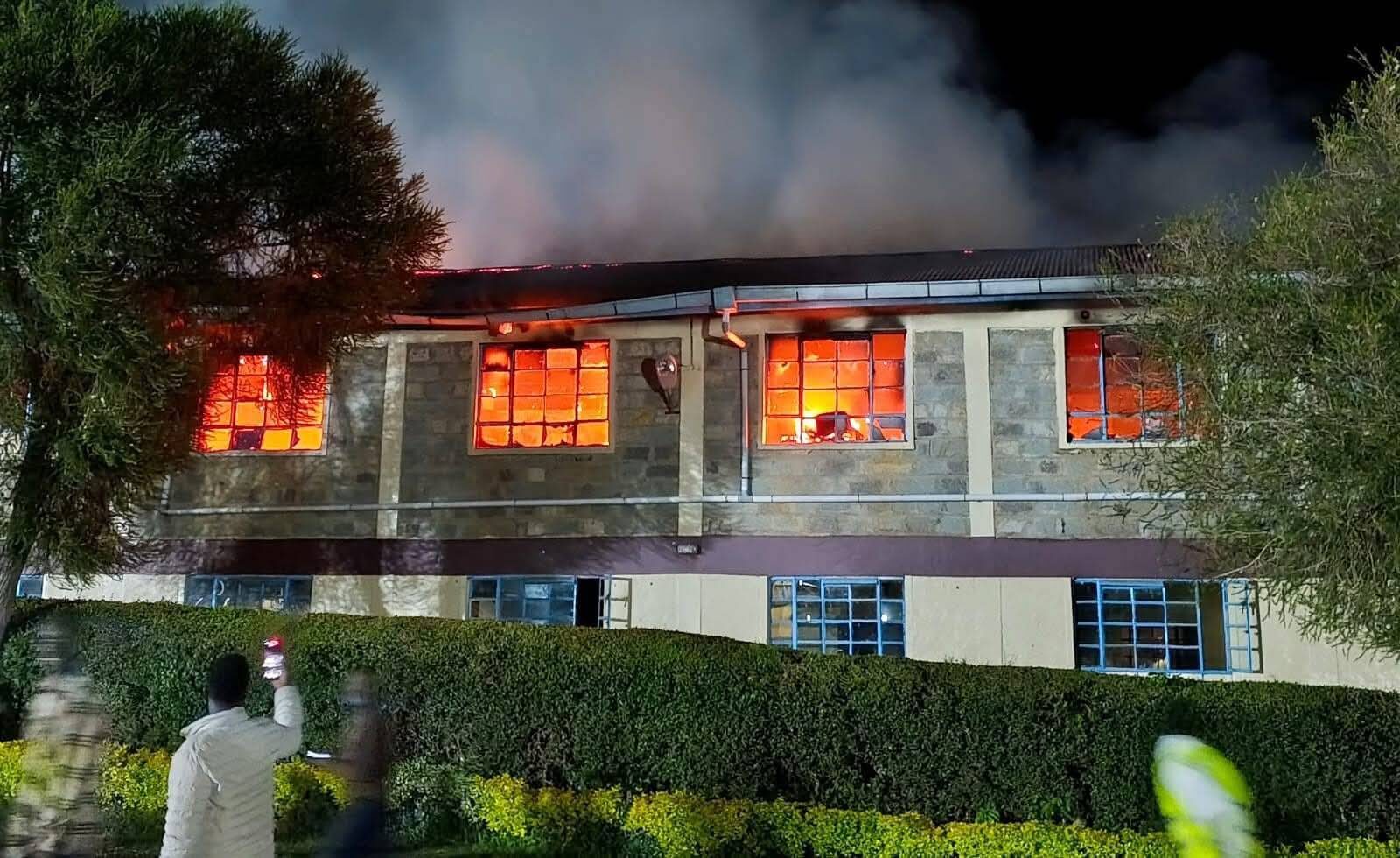
Another significant area addressed by the manual is transportation safety. School vehicles must be roadworthy, regularly inspected, and operated by qualified drivers. Disaster preparedness forms an essential part of the safety programme. Schools are encouraged to prepare for emergencies such as fires, floods, storms, disease outbreaks, violence, or structural collapse.
The manual also recognises the importance of strong school-community relations. Parents, local leaders, law enforcement agencies, and sponsors are expected to work closely with schools to strengthen child protection and promote responsible social behaviour. Ultimately, the journey through the Safety Standards Manual is a journey toward responsible education leadership.
READ ALSO:
Like Mama in the Boyi short story, many Kenyan parents are enduring the pain of missing children
It challenges schools to move beyond academic performance alone and embrace holistic learner welfare. A safe school is not merely a place without accidents; it is a nurturing environment where children grow intellectually, emotionally, morally, socially, and physically with confidence and peace.
By Hillary Muhalya
You can also follow our social media pages on Twitter: Education News KE and Facebook: Education News Newspaper for timely updates.
>>> Click here to stay up-to-date with trending regional stories
>>> Click here to read more informed opinions on the country’s education landscape