- School heads say current disciplinary frameworks make it difficult to address rising cases of student unrest.
- KESSHA leaders argue that balancing children’s rights with discipline remains a major challenge in schools.
- Government officials are instead calling for stronger counselling, mental health support and compassionate school leadership.
Senior school heads meeting in Mombasa have suggested that the expansion of children’s rights has made it increasingly difficult to enforce discipline using traditional methods.
Since corporal punishment was outlawed in Kenyan schools in 2001, cases of school unrest have continued to rise, with learners setting fire to school property in several institutions.
The latest wave of unrest has claimed at least 18 student lives, including 16 girls who died in a dormitory fire at Utumishi Girls Academy in Nakuru. Eight students have since been charged with murder in connection with the incident.
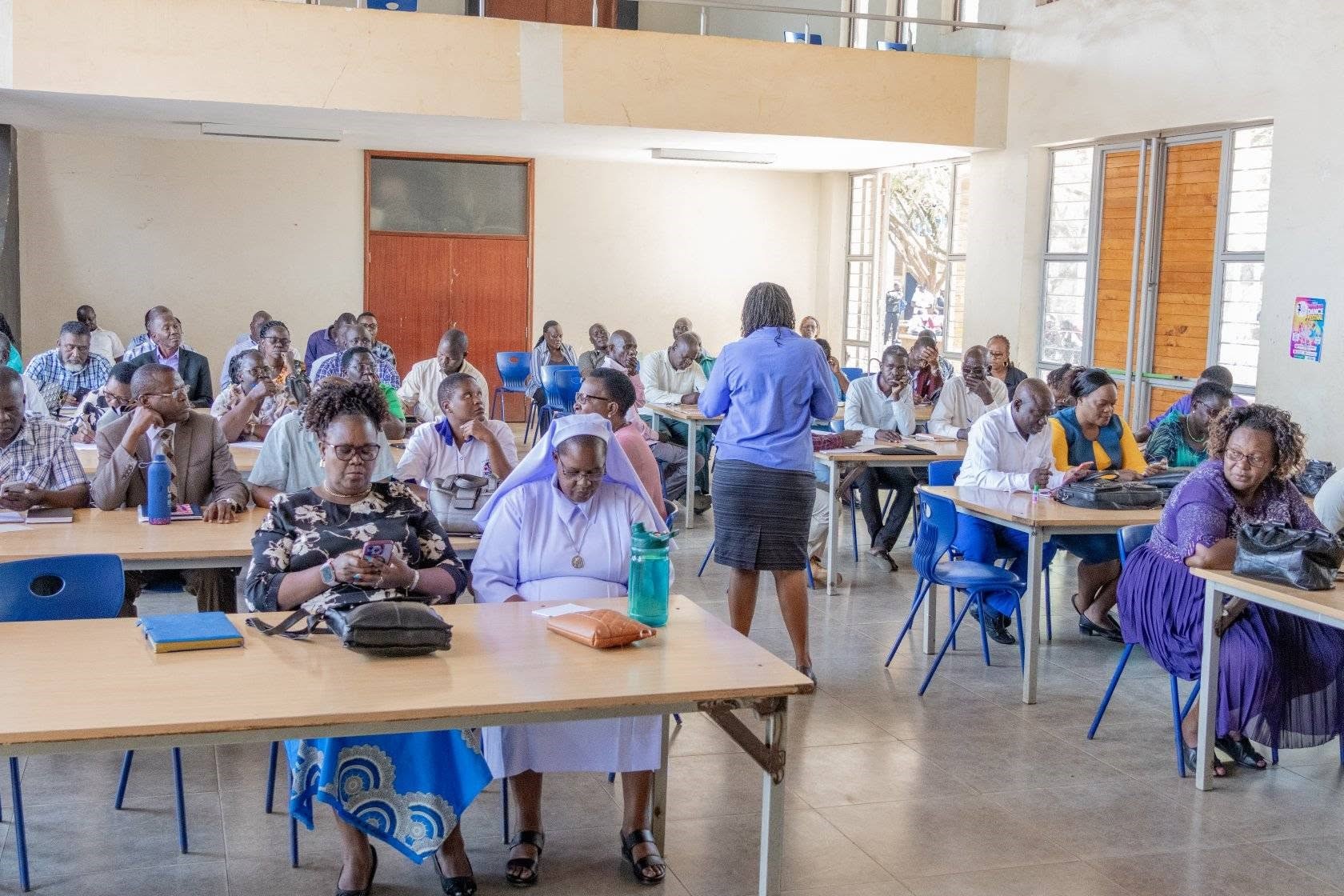
Speaking during the 49th Kenya Secondary School Heads Association (KESSHA) Annual National Conference in Mombasa, KESSHA National Chairman Willie Mwangi said principals now face significant challenges in enforcing discipline.
“It is easier to punish a teacher than a student today,” he said.
According to Mwangi, concerns about violating children’s rights have made many school administrators reluctant to take firm disciplinary action.
“Taking effective disciplinary action against a student is very difficult because you fear you will have offended or embarrassed a child,” he said.
He argued that this has contributed to increasing cases of indiscipline across schools, including institutions previously regarded as stable and well-disciplined.
Mwangi also observed that the frequency and geographical spread of school unrest this year had reached worrying levels.
“This year it is different, and that is really worrying,” he said.
Dialogue over destruction
The KESSHA chair emphasized that schools must remain safe environments for learning, personal growth and character development.
He urged learners to open up to their teachers whenever they face challenges, noting that dialogue remains the best way to resolve conflicts.
Problems, he said, should be addressed through engagement rather than destruction of property or disruption of learning.
Head of Public Service Felix Kosgei said mental health has become one of the defining challenges facing modern society, with learners equally affected.
He noted that students today experience pressure arising from academic expectations, social media, family circumstances and peer influence.
Teachers and school leaders, he added, also face increasing administrative and professional demands.
“Schools should therefore prioritize psychosocial support, guidance and counselling, emotional resilience and wellness programmes,” Kosgei said.
He observed that healthy school environments contribute to improved academic performance, better discipline, stronger relationships and increased productivity.
Kosgei encouraged principals to cultivate compassionate school cultures where both learners and staff feel valued, respected and supported.
Accountability in school management
The Head of Public Service also reminded principals of their responsibility to ensure prudent management of public resources.
He emphasized that every shilling allocated to education represents taxpayers’ contributions and must therefore be used transparently, efficiently and for its intended purpose.
“Principals are entrusted with responsibilities beyond administration,” he said.
“They are custodians of public resources, public trust and the future of Kenyan children.”
READ ALSO: Nyamira church leaders, elders concerned over what they describe as moral decadence among local youth
According to Kosgei, every decision made, every resource allocated and every programme implemented should ultimately contribute to improved learner outcomes and stronger institutional performance.
By Morris Ochieng’
You can also follow our social media pages on Twitter: Education News KE and Facebook: Education News Newspaper for timely updates.
>>> Click here to stay up-to-date with trending regional stories
>>> Click here to read more informed opinions on the country’s education landscape
>>> Click here to stay ahead with the latest national news.