The Ministry of Health (MoH) has disclosed that young people aged between 15 and 24 years accounted for 41 percent of all new HIV infections recorded in Kenya in 2025.
The revelation has raised concern among health officials and prompted renewed calls for enhanced prevention measures and improved access to sexual and reproductive health services.
The statistics were unveiled during the opening of the 9th Pan-African Adolescent and Youth Sexual and Reproductive Health and Rights Scientific Conference in Mombasa.
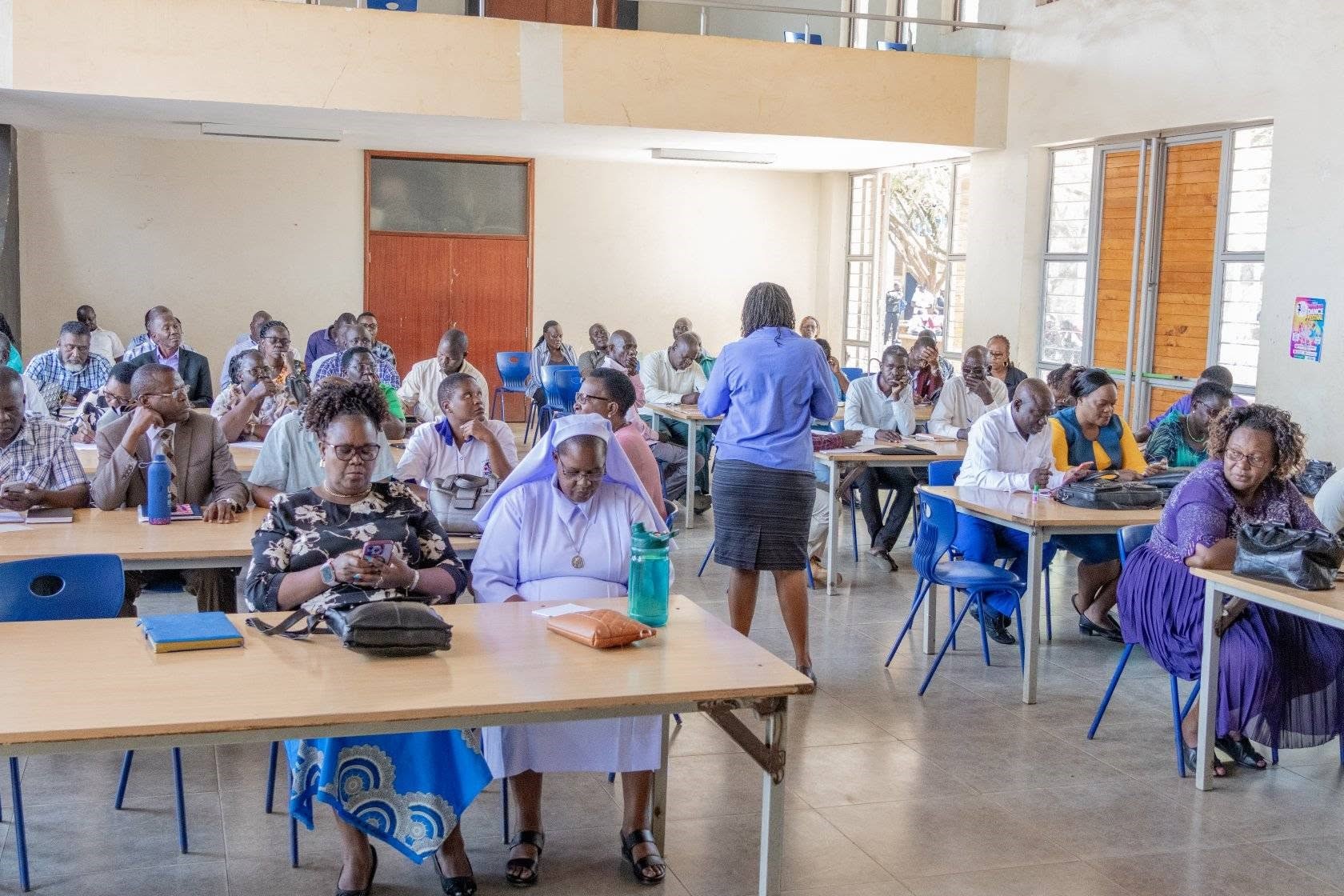
The conference brought together more than 750 delegates from 44 African countries to discuss strategies aimed at improving sexual and reproductive health outcomes among young people across the continent.
Call for targeted interventions
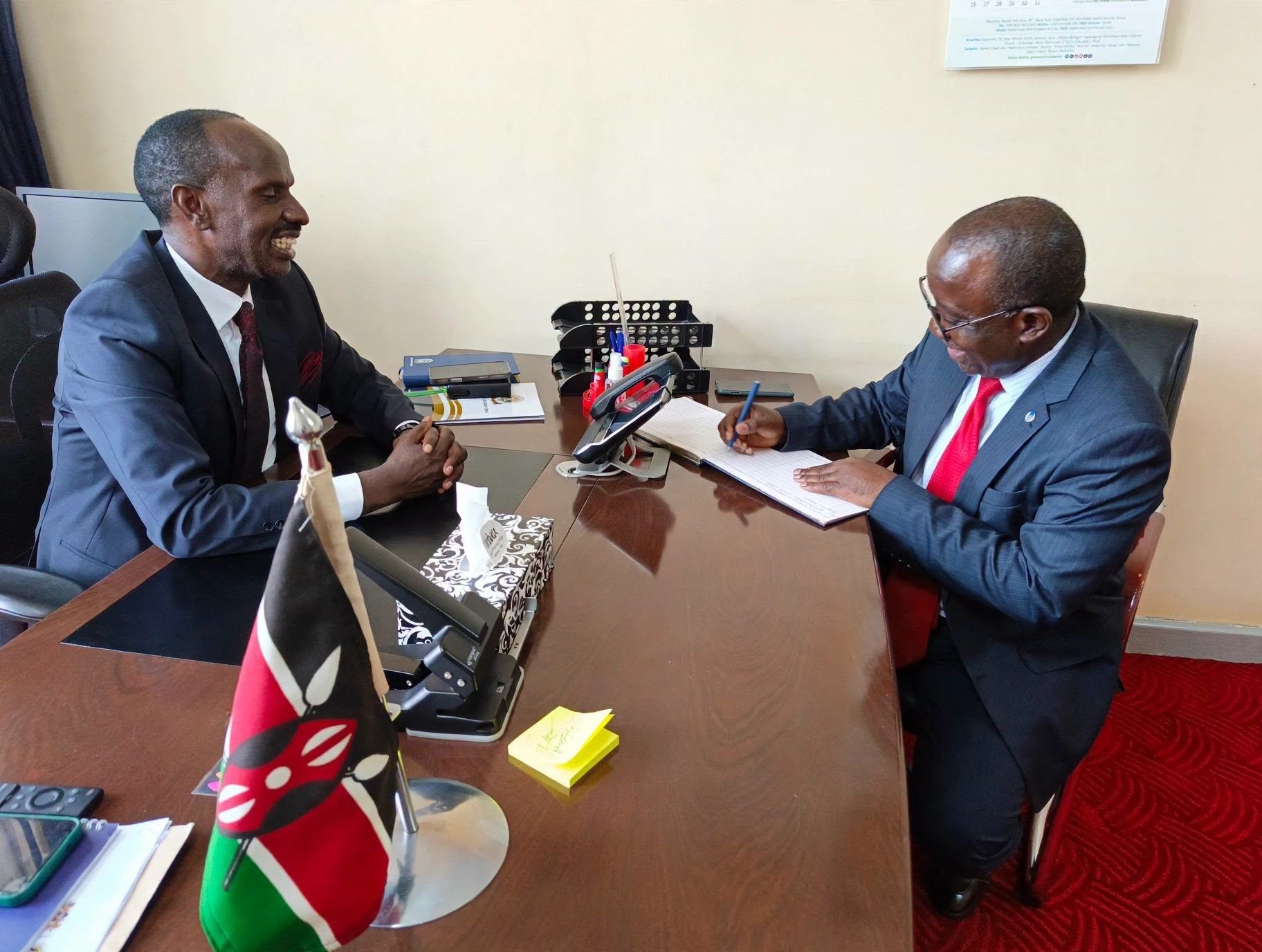
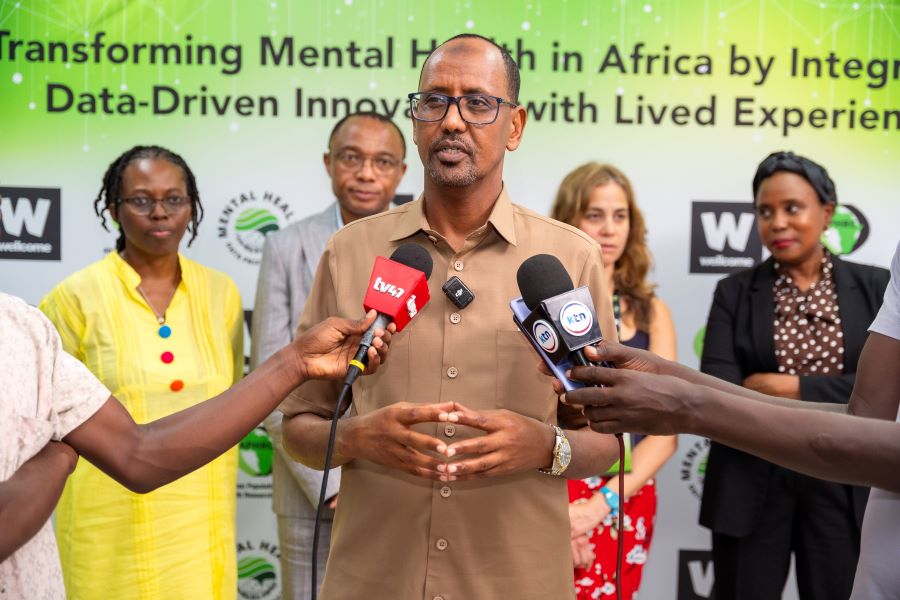
Speaking at the event, Head of the Family Health Department, Dr. Bishar Issak, said the figures underscore the urgent need for targeted interventions to address HIV infections among adolescents and young adults.
“We must strengthen efforts to reach young people with accurate information, prevention services and quality healthcare, especially in areas where awareness remains critically low,” Dr. Issak said.
The ministry also expressed concern over a rise in mother-to-child HIV transmission, which increased from 7.3 percent to 9 percent, signaling setbacks in efforts to eliminate paediatric HIV infections.
Knowledge gaps remain
Data presented at the conference revealed significant knowledge gaps among adolescents.
In Garissa County, only 15 percent of adolescent girls have comprehensive knowledge about HIV, while nationally, just over a quarter of young people understand that consistent condom use can reduce the risk of HIV transmission.
To tackle the challenge, the Ministry of Health plans to expand comprehensive sexuality education programmes, strengthen adolescent-friendly health services, and revive community-based initiatives that were disrupted following cuts in donor funding.
Healthcare workers will also receive specialized training to improve service delivery for adolescents and young adults, while efforts will be made to enhance access to essential medicines and reproductive health commodities.
Teenage pregnancies still a challenge
The ministry further highlighted the persistent challenge of teenage pregnancies.
Government data shows that 15 percent of girls aged between 15 and 19 are either pregnant or already mothers.
The situation is more severe in some counties, with teenage pregnancy rates standing at 50 percent in Samburu and 36 percent in West Pokot.

Dr. Issak warned that early pregnancies continue to hinder educational achievement and limit future economic opportunities for thousands of girls.
“Failure to address adolescent pregnancies and HIV infections risks undermining the country’s demographic dividend and long-term development goals,” he said.
Call for greater investment
While noting that young mothers can access maternal healthcare services through the Social Health Authority, Dr. Issak emphasized that preventing unintended pregnancies among adolescents should remain a national priority.
He called for sustained political commitment, adequate funding, and youth-centred policies to address the growing health challenges facing adolescents.
READ ALSO: JKUAT team emerges victorious in global video lecture contest
Participants at the conference warned that failure to invest in adolescent health could reverse gains made in HIV prevention, maternal healthcare, and girls’ education, while exacerbating poverty and inequality across Africa.
The delegates urged governments, development partners, and stakeholders to prioritize investments in adolescent and youth health programmes to safeguard the future of the continent’s young population.
By Obegi Malack
You can also follow our social media pages on Twitter: Education News KE and Facebook: Education News Newspaper for timely updates.
>>> Click here to stay up-to-date with trending regional stories
>>> Click here to read more informed opinions on the country’s education landscape