- Gleb Tsipursky argues that AI literacy should train students to verify consequential claims independently.
- He proposes a four-step classroom habit linking AI use with accountable human judgment and responsibility.
- The approach complements Kenya’s growing emphasis on workplace-relevant digital and technical skills.
Education News’s September 10 warning about unchecked AI authority gets one thing exactly right: the central question is whether people retain independent judgment as these tools spread. The article argued that human responsibility should remain central as AI becomes more influential in decisions affecting society.
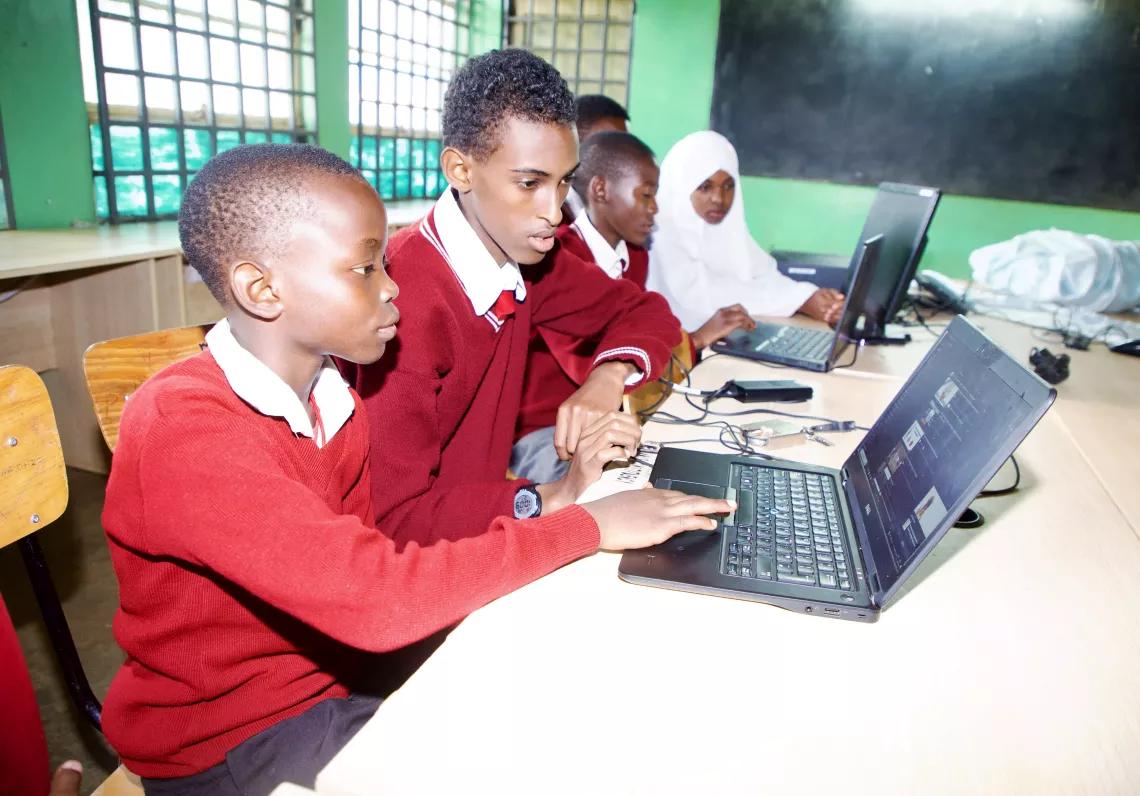
Kenya should turn that concern into a routine classroom practice. Whenever students use AI for a consequential answer, recommendation or summary, they should have to identify the claim that matters most, find an independent way to check it, explain why they accept or reject the output, and name the human responsible for the final judgment.
That habit would complement Kenya’s wider push to make skills more relevant to work. The International TVET Conference in Nairobi, held from September 9 to 11, focused on stronger links between training and real workplace demands under the theme “Skills That Work.”
Verification is part of that transfer. In employment, an answer that sounds plausible is not enough if a colleague, customer or manager will rely on it.
READ ALSO: Why teacher emotional intelligence matters in classroom discipline
AI literacy should therefore be measured less by how fluently students use tools and more by how reliably they know when not to trust them. That is a skill Kenya can teach now, even as the technology keeps changing.
By Gleb Tsipursky, PhD
Get more stories from our website: Education News
To write to us or offer feedback, you can reach us at: editor@educationnews.co.ke
You can also follow our social media pages on Twitter: Education News KE and Facebook: Education News Newspaper for timely updates.
>> Click here to stay up-to-date with trending regional stories