- Kenya already has clear institutional systems, including KNEC, KNQA and CUE, for verifying academic and professional qualifications.
- Fraudulent certificates continue to enable dishonest individuals to gain admission, further qualifications and senior positions.
- Employers and educational institutions should consistently apply existing verification procedures rather than relying on trust or laxity.
The process of verifying academic and professional qualifications is not complicated. Unfortunately, some employers and educational institutions simply choose not to undertake it. As a result, some dishonest individuals have taken advantage of these gaps, using fraudulent certificates to gain admission to further studies, acquiring additional qualifications on the strength of those false documents, and even securing well-paying or senior positions using qualifications that are not genuine.
In Kenya, clear structures and verification systems already exist. For basic education certificates, the Kenya National Examinations Council (KNEC) provides an efficient verification service, with an online platform that enables individuals and third parties to verify academic certificates.
The Kenya National Qualifications Authority (KNQA) also plays an important role in the verification of academic and professional qualifications. It supports the authentication and recognition of qualifications, helps determine whether qualifications meet established national standards, and facilitates the verification of local and foreign credentials. Employers and institutions can therefore engage KNQA when they need confirmation of the validity, level or comparability of a qualification.
The Commission for University Education (CUE) similarly plays a key role in verifying university documents and qualifications. It oversees university education in Kenya and supports the recognition and authentication of qualifications awarded by local and foreign universities. Employers, institutions and individuals can engage CUE when they need confirmation that a university, programme or academic document is genuine and properly recognised.
ALSO READ:
Gov’t moves to tighten authentication of academic papers amid fraud concerns
In colleges and universities, academic verification is ordinarily handled by an office under the Registrar or by the Records Office, depending on the institution, and this applies to both local and international qualifications. From experience, agencies that support students seeking opportunities abroad are exceptionally thorough when verifying academic credentials, particularly in nursing, medicine and other health-related fields, where every certificate is carefully scrutinised, sometimes taking considerable time before a student is admitted for further studies or considered for employment.
Some employers in Kenya are highly diligent, requiring verification to be completed before an individual assumes office. Others issue appointment letters containing a clear clause stating that confirmation of employment will occur only after the employee’s academic qualifications have been verified. Too often, however, institutions are hindered by laxity, misplaced trust or failure to follow established verification procedures. The systems exist; what is frequently lacking is the commitment to use them consistently.
ALSO READ: Former KenGen employee jailed for 11 years over forged certificates
There is also the question of where some individuals find the confidence to claim they attended a particular school, college or university when they were never there, when there are no admission records, no classmates who remember them, no lecturer who ever taught them, and no graduation records, yet they confidently claim the institution and qualification as their own.
If a KCSE certificate or diploma is fraudulent, then every qualification subsequently obtained on the strength of that document is questionable. A qualification acquired through a fraudulent process cannot be legitimised by additional certificates obtained afterwards.
Academic verification protects the integrity of institutions, professions and the education system as a whole, raising an important question: how does someone secure employment and work for twenty years without fraudulent qualifications being discovered? Employers and educational institutions must treat this responsibility with the seriousness it deserves.
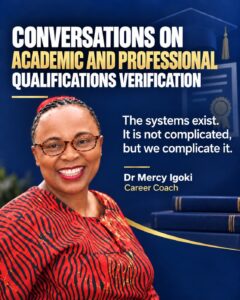
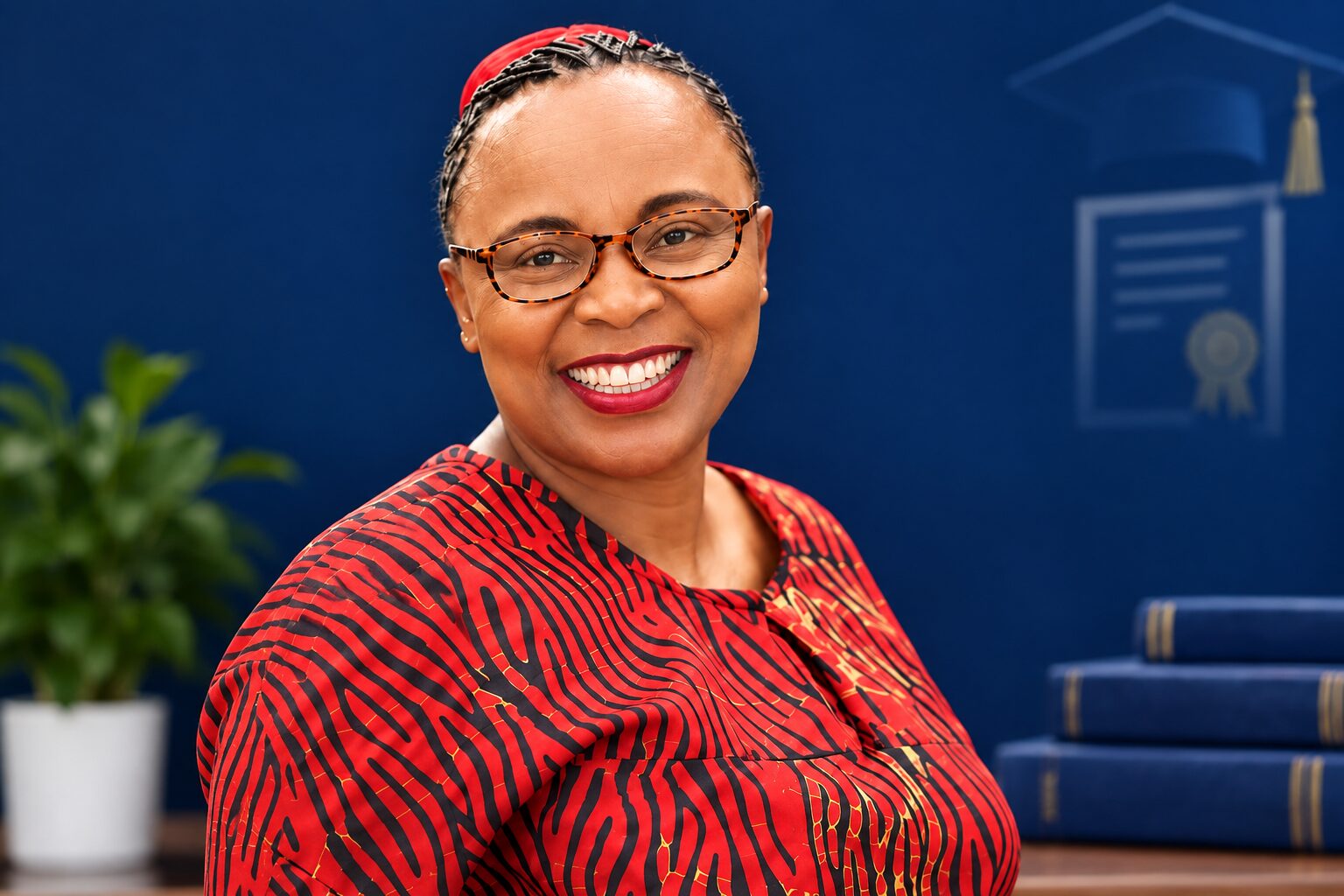
By Coach Dr. Mercy Igoki
Get more stories from our website: Education News
To write to us or offer feedback, you can reach us at: editor@educationnews.co.ke
You can also follow our social media pages on Twitter: Education News KE and Facebook: Education News Newspaper for timely updates.
>> Click here to stay up-to-date with trending regional stories