- Public universities have intensified last-minute consultations to avert a nationwide lecturers’ strike scheduled for October 2.
- UASU has demanded a clear government commitment on financing the 2025-2029 CBA and raised concerns over remuneration and working conditions.
- Students face potential disruption of lectures, examinations and graduation programmes if negotiations collapse.
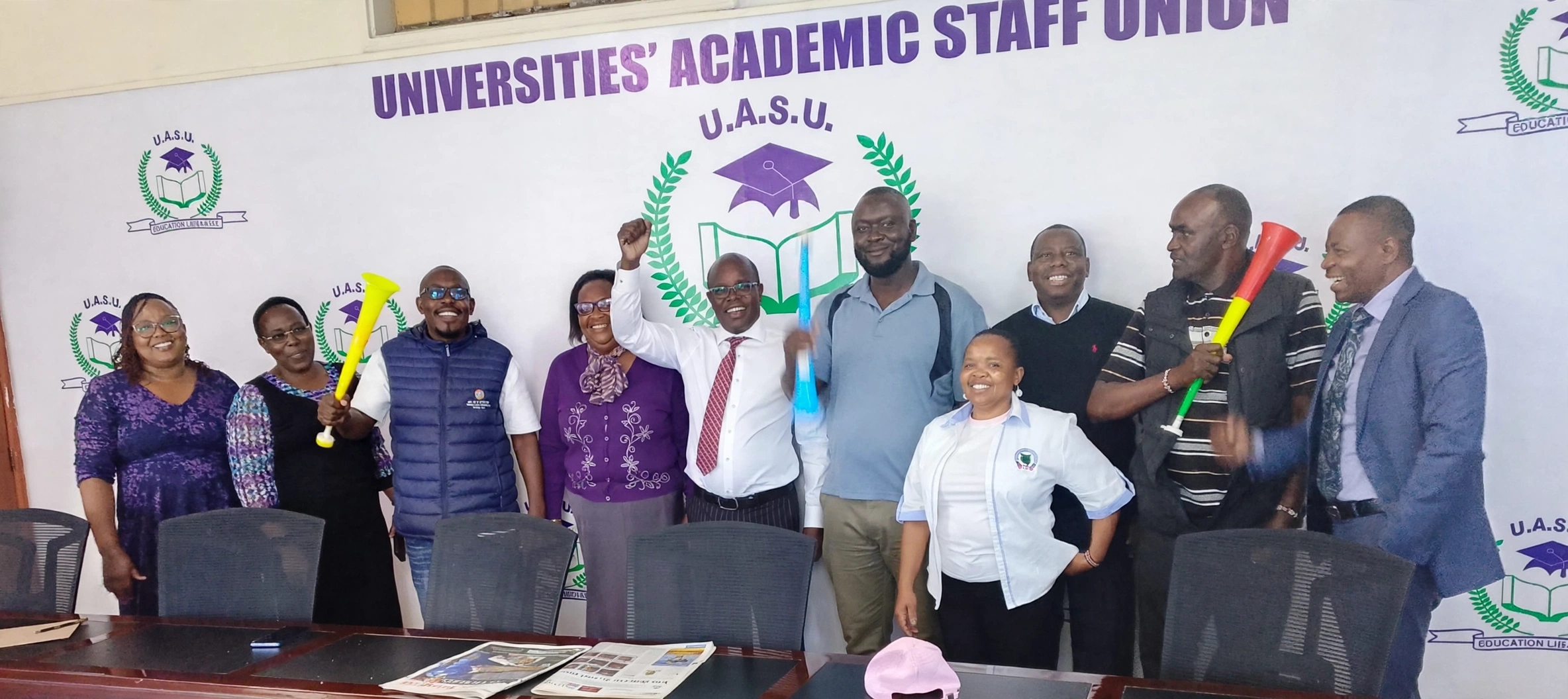
Kenya’s public universities are racing against time to prevent a nationwide lecturers’ strike scheduled for October 2, with last-minute consultations intensifying as the standoff over the 2025-2029 Collective Bargaining Agreement (CBA) reaches a critical stage.
The looming industrial action has placed the university sector on the brink of another major disruption, with lecturers demanding concrete assurances on the financing and implementation of their new employment agreement.
At the centre of the dispute is the question of how the CBA will be financed
The Universities Academic Staff Union (UASU) has demanded a clear commitment from the government on funding the agreement, arguing that universities should not be left to shoulder the cost through their already constrained institutional budgets.
The union has also raised broader concerns relating to implementation of previous agreements, staff remuneration, promotions, working conditions and the growing workload in public universities.
The dispute has exposed the deeper financial difficulties facing the institutions. Public universities are grappling with mounting financial obligations while attempting to maintain academic programmes, pay staff, support research and accommodate growing student populations.
The CBA dispute has therefore evolved beyond a conventional salary disagreement. It has brought into sharp focus the sustainability of university financing and the respective responsibilities of the government, university councils and institutions themselves.
Students are likely to bear the immediate consequences if negotiations collapse. A strike beginning on October 2 could interrupt lectures, examinations, research activities, academic calendars and graduation programmes across public universities.
ALSO READ: KNEC returns nominal rolls as schools race to fix missing KPSEA, KJSEA marks
Parents and guardians could also face additional financial pressure if academic calendars are extended, especially where students depend on accommodation, transport and other services around university campuses.
The renewed consultations could provide the final opportunity to prevent another major disruption in the university sector. For a settlement to hold, the parties will need to address the financing framework, implementation timelines and outstanding issues surrounding the lecturers’ employment agreement.
By Hillary Muhalya
Get more stories from our website: Education News
To write to us or offer feedback, you can reach us at: editor@educationnews.co.ke
You can also follow our social media pages on Twitter: Education News KE and Facebook: Education News Newspaper for timely updates.
>> Click here to stay up-to-date with trending regional stories