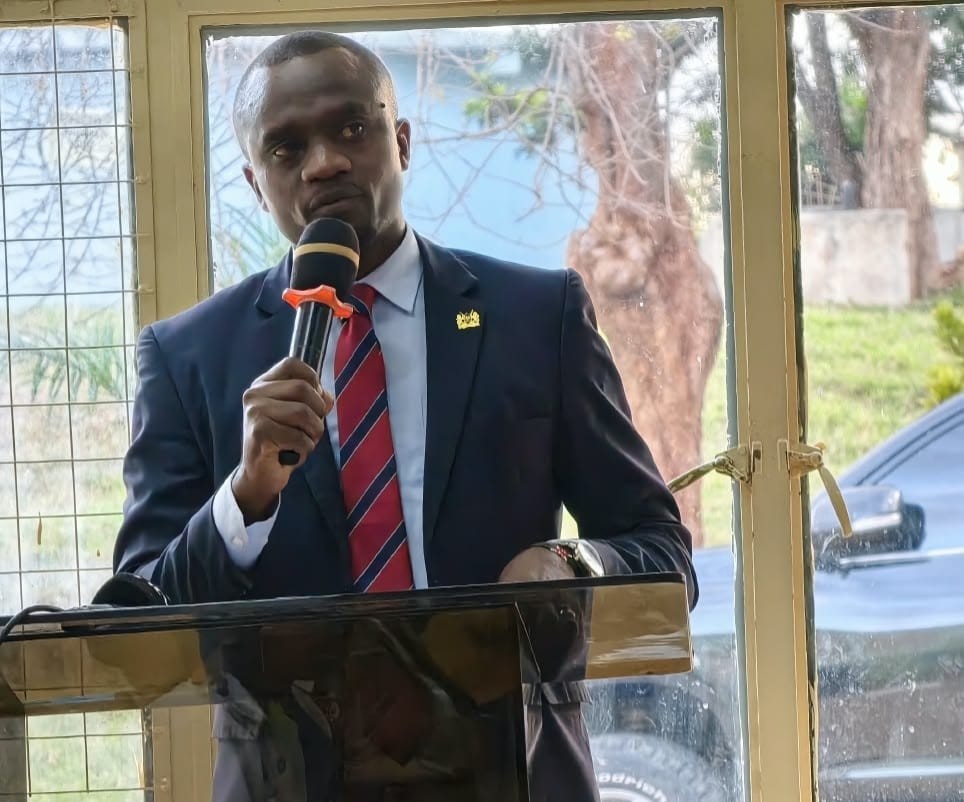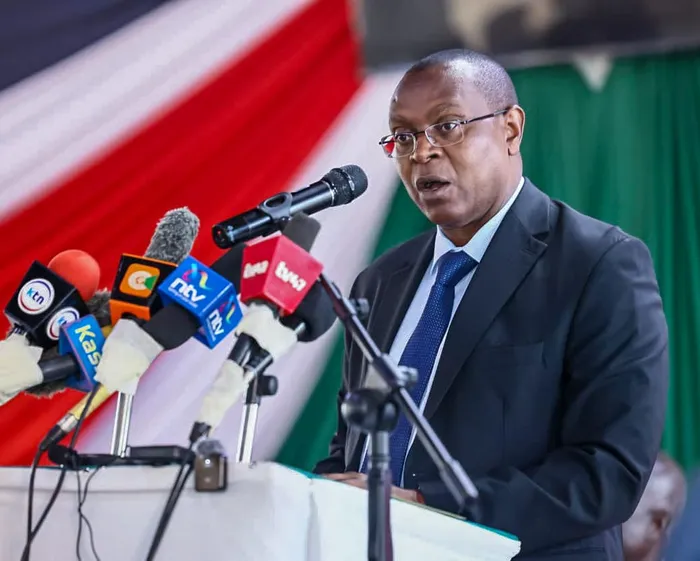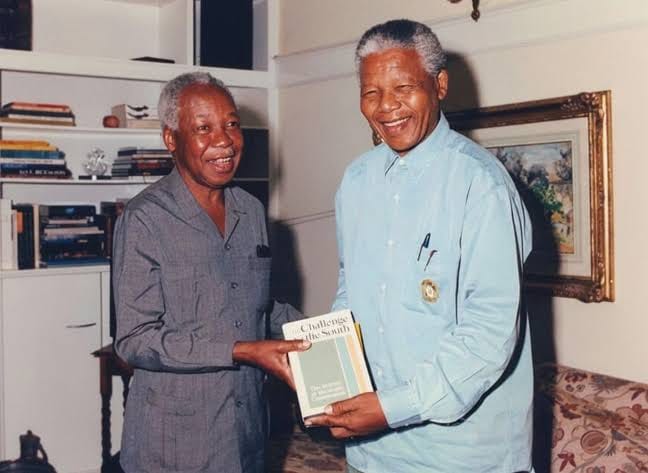
- Nyerere’s former aides, Joseph Butiku and Madaraka Nyerere, have shared insights into his daily habits, including his practice of translating literary works during early morning hours.
- Teachers and leaders have been urged to adopt similar discipline, prioritising preparation and hands-on leadership over politics and late-night engagements.
If you wanted to know why Julius Kambarage Nyerere remains Africa’s most respected President, do not look at his speeches in Parliament. Look at how he used his mornings. When this writer visited President Nyerere’s home in Butiama, Mara Region, three years ago, two people who knew Mwalimu’s private life better than anyone else shared the secret of his mornings. They were his longtime Personal Secretary Joseph Butiku and his eldest son Madaraka Nyerere.
According to Joseph Butiku, who served as Nyerere’s Private Secretary and Personal Assistant from the 1960s to 1985, Mwalimu’s day started at 4 a.m. sharp. Butiku told me at the Mwalimu Nyerere Foundation offices that Mwalimu never needed an alarm, and before any government paper came to his table, he had to read and write for two hours. He wrote all his speeches in longhand, and it was during these quiet morning hours that he translated Shakespeare’s Julius Caesar into Kiswahili as Juliasi Kaizari and The Merchant of Venice as Mabepari wa Venisi.
His son Madaraka Nyerere, who now takes care of the Butiama home and farm, added that after reading, Mwalimu had to farm. As he walked me through the farm, Madaraka said his father believed a leader must sweat, and even when he was President, he had a small shamba at State House. In Butiama, every morning from six to half past seven, he would be with his cows or in the farm holding a jembe. He used to tell them that if you tell people to work in Ujamaa villages, you must show them you can work yourself.
ALSO READ:
Industrial Training Bill 2026 targets better protection for Kenyans seeking jobs abroad
There are powerful lessons there for every teacher and every leader in Kenya today.
First, a leader must be a reader and a writer first. You cannot teach what you do not know. Teachers must wake up before the noise to read and prepare, because a teacher who does not read will be ruled by those who read.
Second, you must lead by hands, not just by mouth. A teacher who tells children to be clean while his own staffroom is dirty has no authority, and a governor who tells people to farm while he imports food is not a leader. Nyerere never believed in office farming; he dug.
Third, morning hours are for creation, not for politics. Joseph Butiku told me that Mwalimu refused to see diplomats or take phone calls before ten in the morning, because he used to say that morning is for creating ideas and afternoon is for implementing them. Today we do the opposite and start the day with WhatsApp groups and political meetings, and by ten we are already tired and angry. Teachers should use mornings for lesson preparation and learners, not for staffroom politics.
Another lesson is about simplicity and spiritual discipline. Both Butiku and Madaraka said State House dinners ended by 9 p.m. because Mwalimu had to wake up early. Every morning he prayed the rosary and walked around the compound to think, instead of being driven. You cannot manage your time if you cannot manage your night. Too much alcohol and too many late-night meetings will make you wake up late and blame traffic.
ALSO READ: Ruto, Iraqi PM explore labour mobility deal for Kenyan teachers
Finally, a leader must remain a teacher at heart. Even as President, Nyerere preferred to meet primary school teachers and village elders in the late morning to discuss education rather than host big delegations. He never stopped being Mwalimu, and that is why the title Mwalimu is greater than Mheshimiwa. He proved that a classroom can produce a President, but a President must never forget the classroom.
When I left Butiama, Madaraka’s final words stayed with me. He said his father built a nation without gold or oil, but with ideas that were born in the morning. At a time when teachers are complaining about CBC workload and poor pay, and when leaders are complaining about lack of respect from the public, the answer may be simple. Let us go back to Butiama. Wake up early, read a book, hold a jembe, pray, and teach one child before you try to lead a thousand people.
By Enock Okong’o
Get more stories from our website: Education News
To write to us or offer feedback, you can reach us at: editor@educationnews.co.ke
You can also follow our social media pages on Twitter: Education News KE and Facebook: Education News Newspaper for timely updates.
>> Click here to stay up-to-date with trending regional stories