- Enock Okong’o argues that schools should view El Nino rains as opportunities rather than merely disasters.
- He highlights water harvesting, tree planting and practical learning as benefits institutions can derive from increased rainfall.
- The writer says schools can also use the rains to promote entrepreneurship, agriculture and environmental conservation among learners.
As Deputy President Prof Kithure Kindiki and other government officials continue to sensitise the public on the effects of the impending El Nino rains, there is need for us in the education sector to rethink our attitude towards this phenomenon and perceive it as a blessing instead of a curse.
For a long time, El Nino has been painted as a harbinger of floods, destruction of property, displacement and disease outbreaks, leading to closure of schools and disruption of learning.
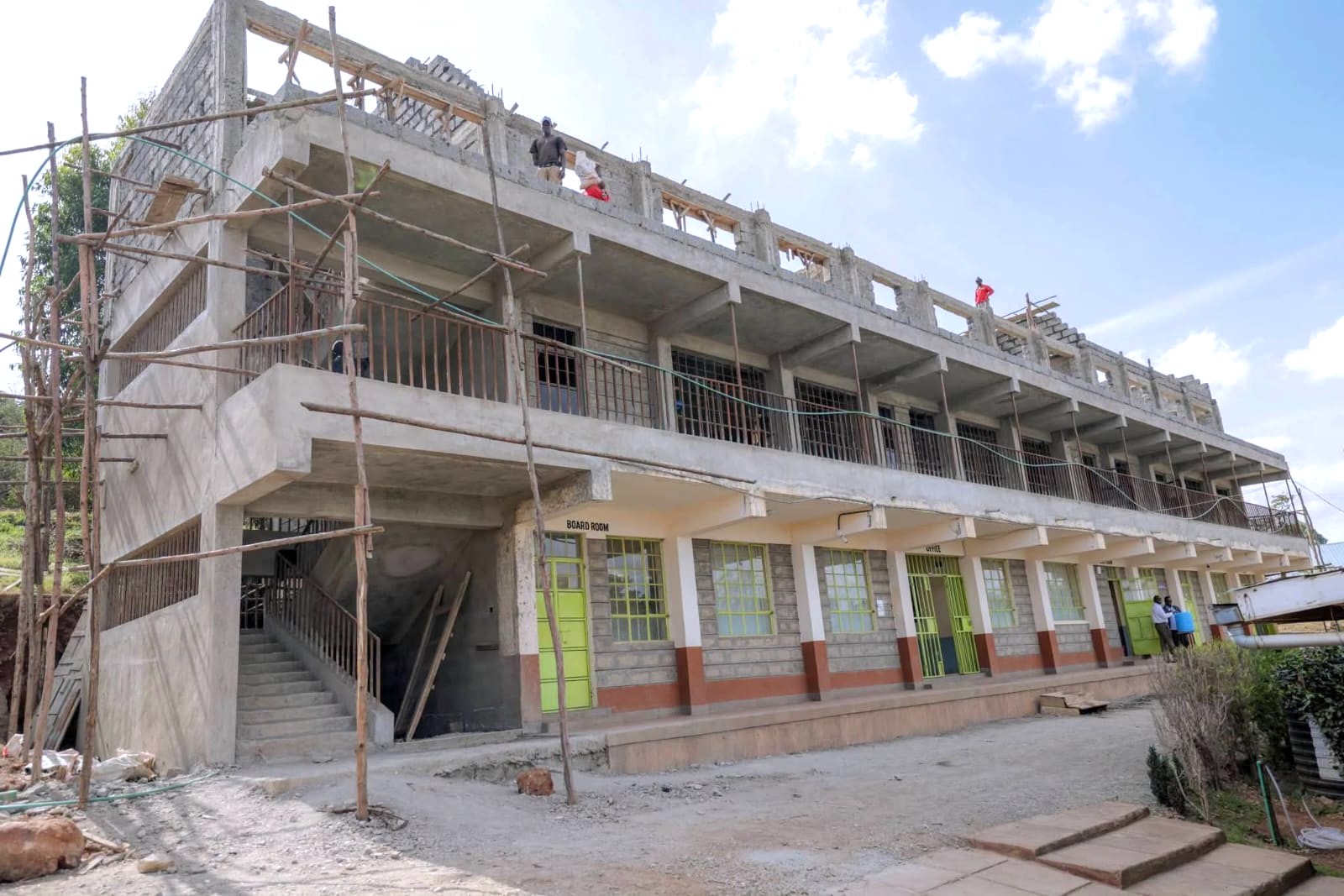
However, for our learning institutions, especially those endowed with large underutilised chunks of land, El Nino presents a golden opportunity that should be harnessed for both institutional development and practical learning.
One of the most immediate benefits is water harvesting and environmental conservation. Many schools across Kisii, Nyamira and other parts of the country grapple with acute water shortages throughout the year, forcing them to spend huge budgets buying water. El Nino brings excess water free of charge.
Schools without reliable water supply should seize this moment to construct large concrete tanks, underground cisterns and water pans to store the rainwater for use during the dry season. The stored water can be used for cooking, cleaning, in boarding sections and for irrigation.
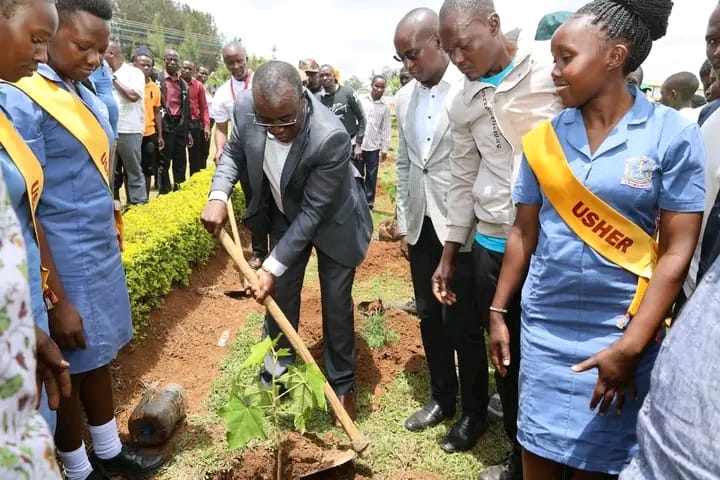
At the same time, this is the best season to plant trees as nature provides free irrigation, and a school that plants a thousand trees during this period will own a forest in a few years.
It is also the ideal time to make bricks for future infrastructure development since water and soft soil are readily available.
Turn the rains into a live laboratory
Beyond physical development, El Nino should be turned into a live laboratory for our learners in line with the Competency Based Curriculum, which emphasises learning by doing.
In Geography, teachers can use the rains to teach practical lessons on weather, climate, the water cycle, types of rainfall, formation of storms and currents, and learners can be taught how to use weather instruments like rain gauges to measure and record rainfall.
In Biology and Agriculture, the rains offer a perfect lesson on the nature of plants, distinguishing annuals, biennials and perennials and how they respond to excess moisture, soil erosion and conservation, and the establishment of fish ponds to teach aquaculture, fishing and pond management.
In Physics, the same water can be used to demonstrate concepts like buoyancy, surface tension and water pressure, and even simple hydroelectric power generation using improvised models powered by flowing rainwater.
Ultimately, El Nino can also inculcate entrepreneurship and self-reliance among learners.
Schools can use the stored water to establish vegetable gardens, tree nurseries for sale and brick-making projects that can generate income for the institution.
Instead of sending learners home and declaring El Nino a disaster that paralyses education, we should integrate it into our syllabus.
The Ministry of Education should give clear guidelines to Boards of Management and principals on how to harvest both the water and the lessons that come with the rains.
READ ALSO: Why JSS deployment may not appeal to experienced primary school teachers
El Nino will come and go, but schools that harvest its opportunities will remain greener, richer and more practical, while those that only lament will be left with eroded compounds and empty tanks.
By Enock Okong’o
Get more stories from our website: Education News
To write to us or offer feedback, you can reach us at: editor@educationnews.co.ke
You can also follow our social media pages on Twitter: Education News KE and Facebook: Education News Newspaper for timely updates.
>> Click here to stay up-to-date with trending regional stories