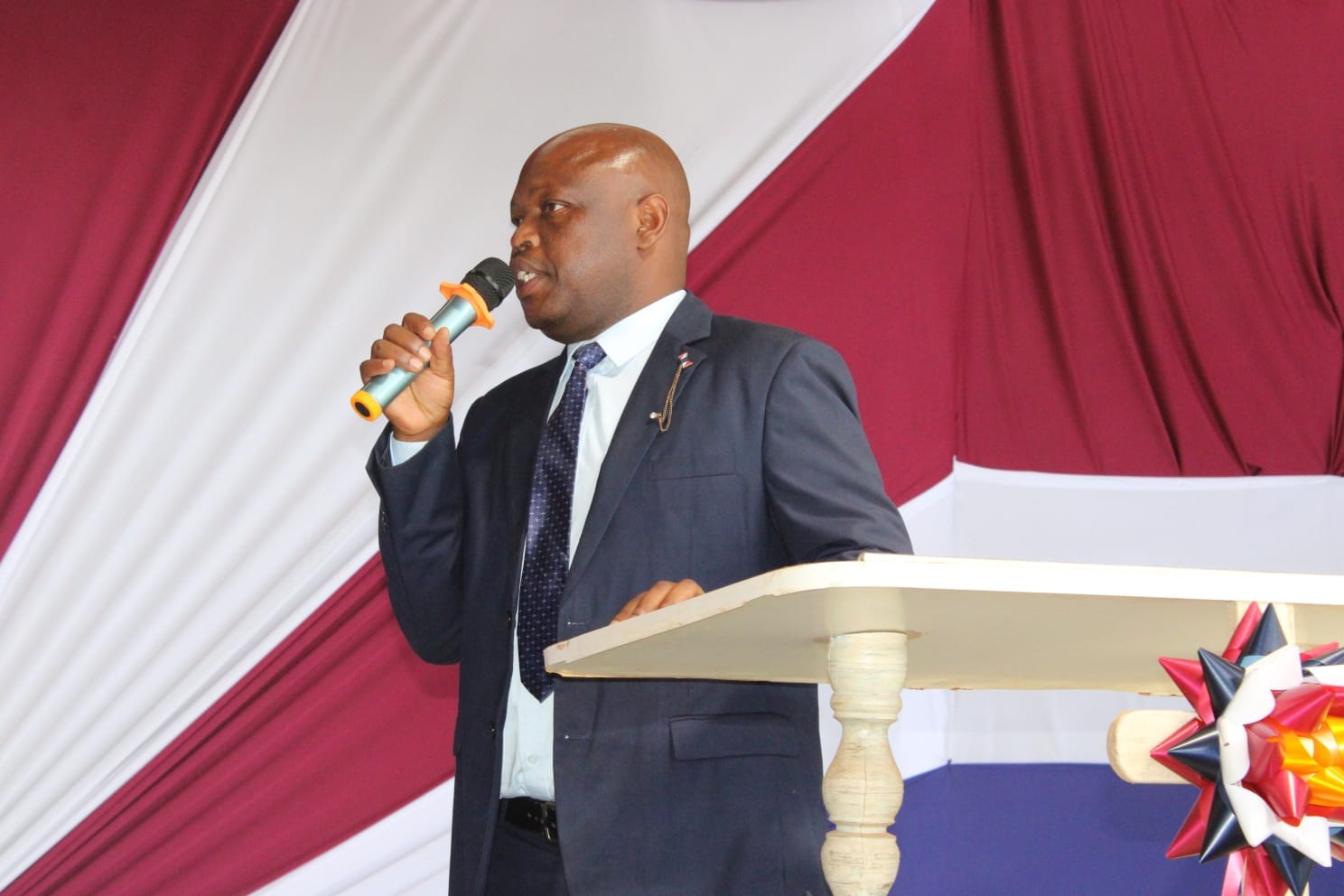
- Yabesh Onwonga argues that recognising Kenyan Sign Language means little without practical accessibility in public institutions.
- He highlights communication barriers facing Deaf Kenyans in education, healthcare, justice and access to public services.
- The writer calls for stronger implementation, trained interpreters and direct involvement of Deaf people in policymaking.
When we learn to sign, we do more than communicate. We open doors to inclusion, because silence is never the absence of a voice; sometimes, it speaks through signs.
The tragedy is that Kenya has spent years talking about inclusion while failing to listen to the people it claims to include.
We love the language of equality. We celebrate diversity in speeches. We issue polished statements about leaving no one behind.
Then reality arrives.
A Deaf Kenyan walks into a hospital and struggles to explain what is wrong.
A parent goes to a government office and cannot communicate with the official behind the desk.
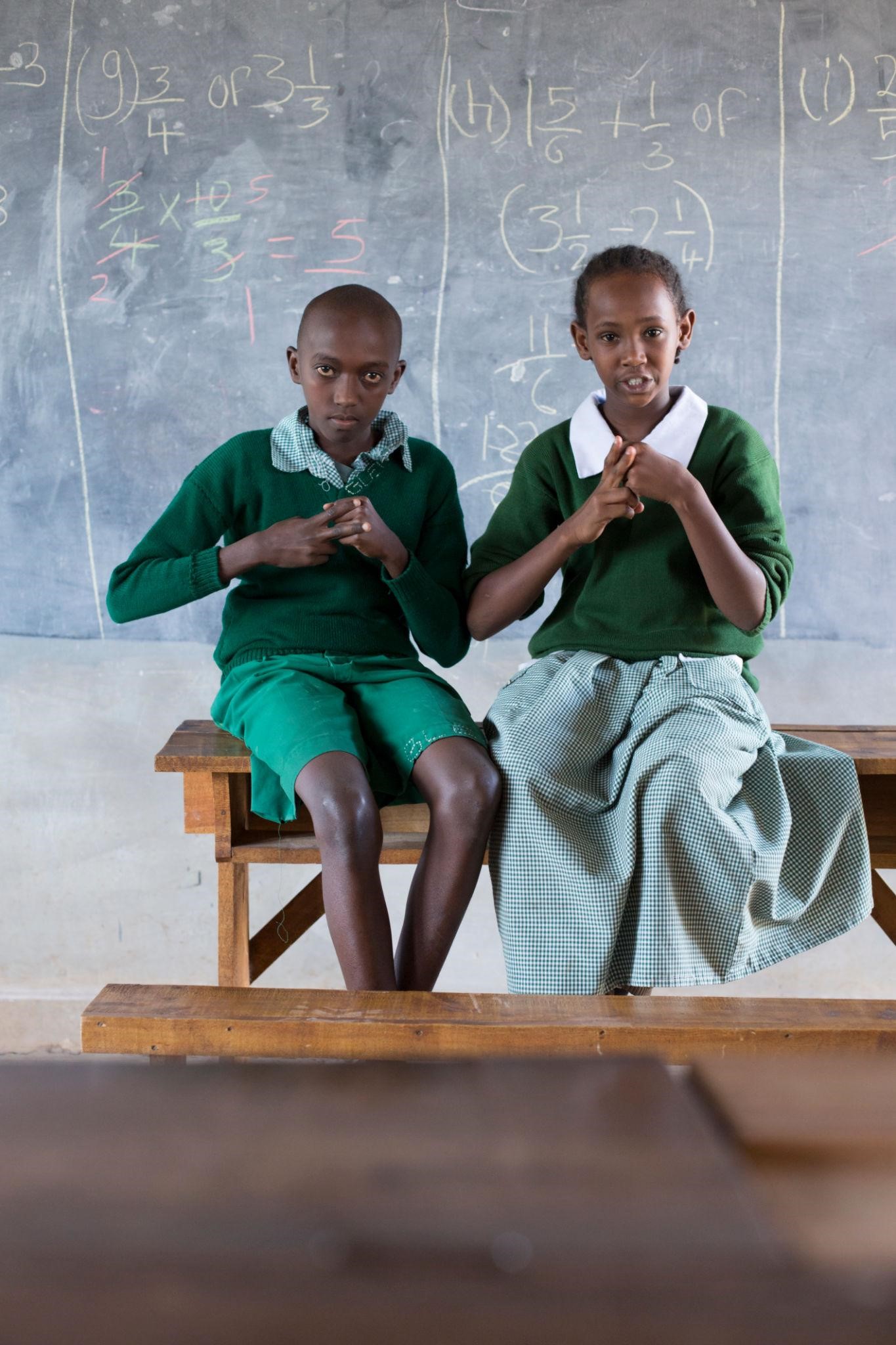
A child enters a classroom where the teacher cannot adequately communicate in Kenyan Sign Language.
A citizen encounters the justice system and discovers that the right to be heard means very little when the system has failed to make communication possible.
This is not inclusion.
It is exclusion wearing a suit and tie.
Kenya’s Constitution recognises Kenyan Sign Language, and the Kenya Sign Language Bill, 2024, seeks to strengthen access to information and education, provide a framework for sign-language interpretation and promote the rights of Deaf, hard-of-hearing and Deafblind people. The Bill also proposes a Kenyan Sign Language Council to regulate sign-language interpretation.
But Kenya has become remarkably good at producing beautiful words and painfully slow at turning them into reality.
A law cannot interpret a doctor’s instructions.
A constitutional promise cannot translate an emergency.
A government press release cannot teach a child.
A national celebration cannot replace an interpreter.
Rights without implementation are political decoration.
And the consequences are not decorative.
UNICEF has highlighted continuing challenges affecting inclusive education for children with disabilities in Eastern and Southern Africa, including gaps in data, policies and funding, while stressing the importance of sign language in Deaf children’s education.
Think about the absurdity.
Kenya can find money for political rallies, branding, publicity campaigns and endless meetings, yet accessibility is too often treated as an afterthought.
Why?
Why should a Deaf citizen have to fight for something as basic as communication?
Why should a child have to overcome an institutional barrier before even getting the chance to learn?
Why should a family become an expert in navigating bureaucracy simply because the State has failed to accommodate a communication need?
And why are we still talking about these things as though they are acts of kindness?
They are rights.
That distinction matters.
For too long, disability has been approached through charity: give someone assistance, express sympathy, take a photograph and move on.
Enough.
Deaf Kenyans do not need pity.
They need functioning institutions.
They need schools equipped to teach them.
They need hospitals capable of communicating with them.
They need courts where interpretation is available.
They need police services they can access.
They need public information they can understand.
They need workplaces that recognise their abilities rather than beginning with assumptions about their limitations.
And they need representation when policies affecting their lives are being written.
Kenya’s Persons with Disabilities Act, 2025, provides a broader legal framework for protecting and promoting the rights of persons with disabilities. The Act came into force on May 27, 2025, and defines disability mainstreaming as integrating disability concerns into the design, budgeting, implementation, monitoring and evaluation of policies and programmes.
Now comes the difficult part:
Implementation.
Because Kenya does not suffer from a shortage of policies.
It suffers from a chronic inability to make good policies work consistently at the point where citizens meet government.
Enough excuses. Start fixing it.
Every major public hospital should have reliable access to qualified sign-language interpretation.
Every police station and court should have a clear mechanism for obtaining interpretation when required.
Teacher-training institutions should dramatically strengthen Kenyan Sign Language instruction and specialised training.
Government communication should routinely include sign-language interpretation, captions and accessible digital formats.
Public servants should receive basic disability-awareness and communication training.
And interpretation must become a properly recognised profession, with standards, accreditation and decent remuneration rather than being treated as an occasional favour.
The proposed Kenya Sign Language legislation specifically addresses the regulation and registration of interpreters.
But there is another solution that costs less than many government programmes:
Listen to Deaf Kenyans.
Not occasionally.
Not ceremonially.
Not when cameras are present.
Listen when policies are being designed.
Listen when budgets are being prepared.
Listen when schools are being planned.
Listen when healthcare systems are being redesigned.
Listen before building something that people cannot use.
Because there is something deeply insulting about designing inclusion without consulting the people who have spent their lives experiencing exclusion.
Kenya must stop asking disabled citizens to prove that they deserve access.
The burden should be reversed.
The system must prove that it is accessible.
Imagine a Kenya where every child learns basic Kenyan Sign Language in school.
Imagine a generation that does not stare awkwardly at a Deaf person because communication feels foreign.
Imagine hospitals where accessibility is routine rather than miraculous.
Imagine government information reaching everyone.
Imagine a Deaf child growing up believing that public life belongs to them too.
That is not fantasy.
It is what a serious country should consider normal.
The Deaf community is not asking Kenya for a favour.
It is asking Kenya to honour its own constitutional promises and laws.
And that should not be controversial.
The real scandal is that we still have to argue about it.
So let us stop applauding ourselves for being inclusive while leaving people outside the door.
Stop the ceremonies.
Stop the empty slogans.
READ ALSO: Senate takes Mashinani sittings to Kilifi in push to bring House closer to residents
Stop treating accessibility as an optional extra added when somebody remembers.
Learn to sign. Learn to listen. Then act.
Because the Deaf are not silent.
Kenya has simply been too loud to hear them.
And perhaps the most damning indictment of all is this: The people who need to communicate have been doing their part. It is the institutions that have failed to understand.
By Yabesh Onwonga
History and language analyst
Get more stories from our website: Education News
To write to us or offer feedback, you can reach us at: editor@educationnews.co.ke
You can also follow our social media pages on Twitter: Education News KE and Facebook: Education News Newspaper for timely updates.
>> Click here to stay up-to-date with trending regional stories