- Environment CS Deborah Barasa has challenged universities to prioritise bamboo research to unlock its economic potential.
- She says research and partnerships could strengthen bamboo production, value addition, markets and environmental restoration.
- John Majau reports that universities are also being challenged to develop technologies for bamboo processing.
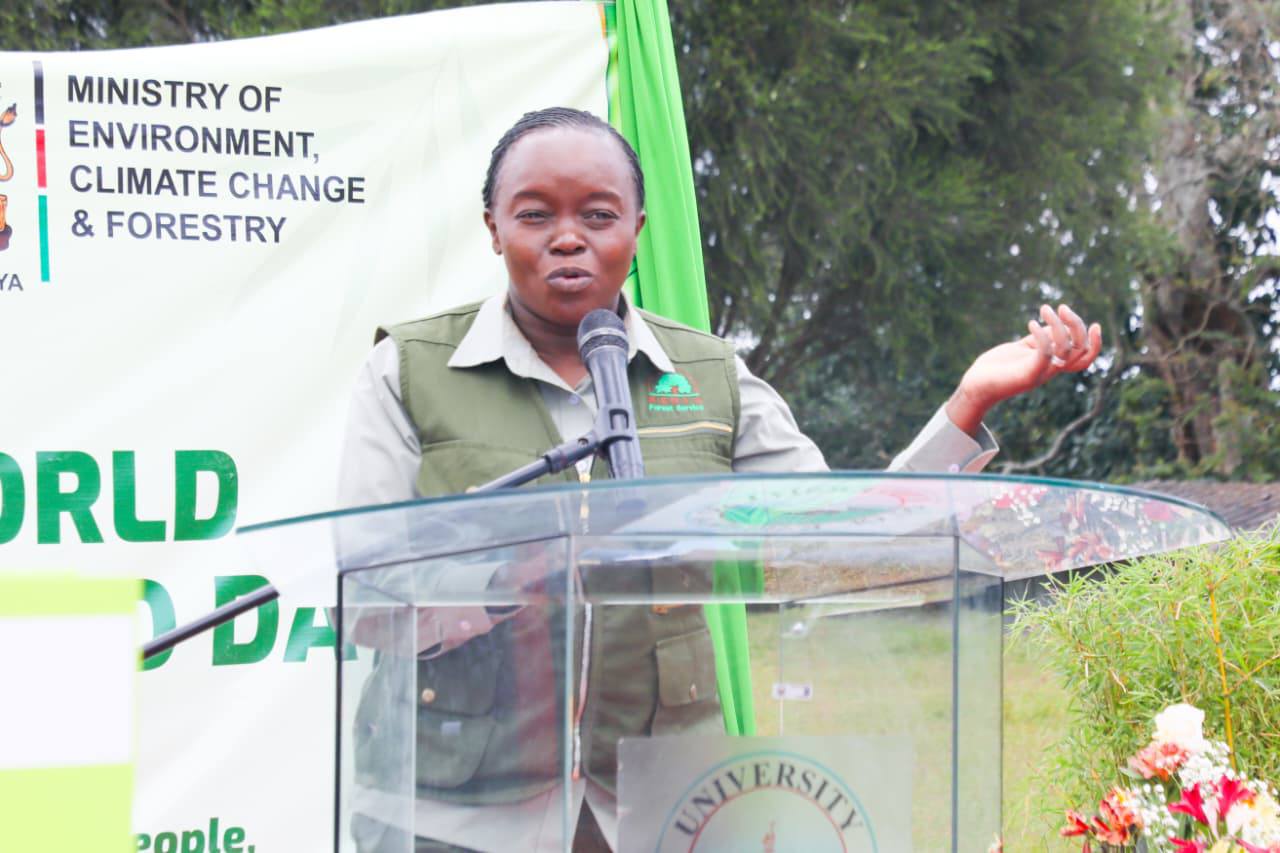
The Cabinet Secretary for Environment, Climate Change and Forestry, Dr Deborah Barasa, has challenged universities and other learning institutions to prioritise research on bamboo in order to unlock its full potential.
The CS said bamboo has the potential to create millions of jobs, support livelihoods, restore the environment and spur the growth of industries and enterprises, insisting its full potential can best be attained through research.
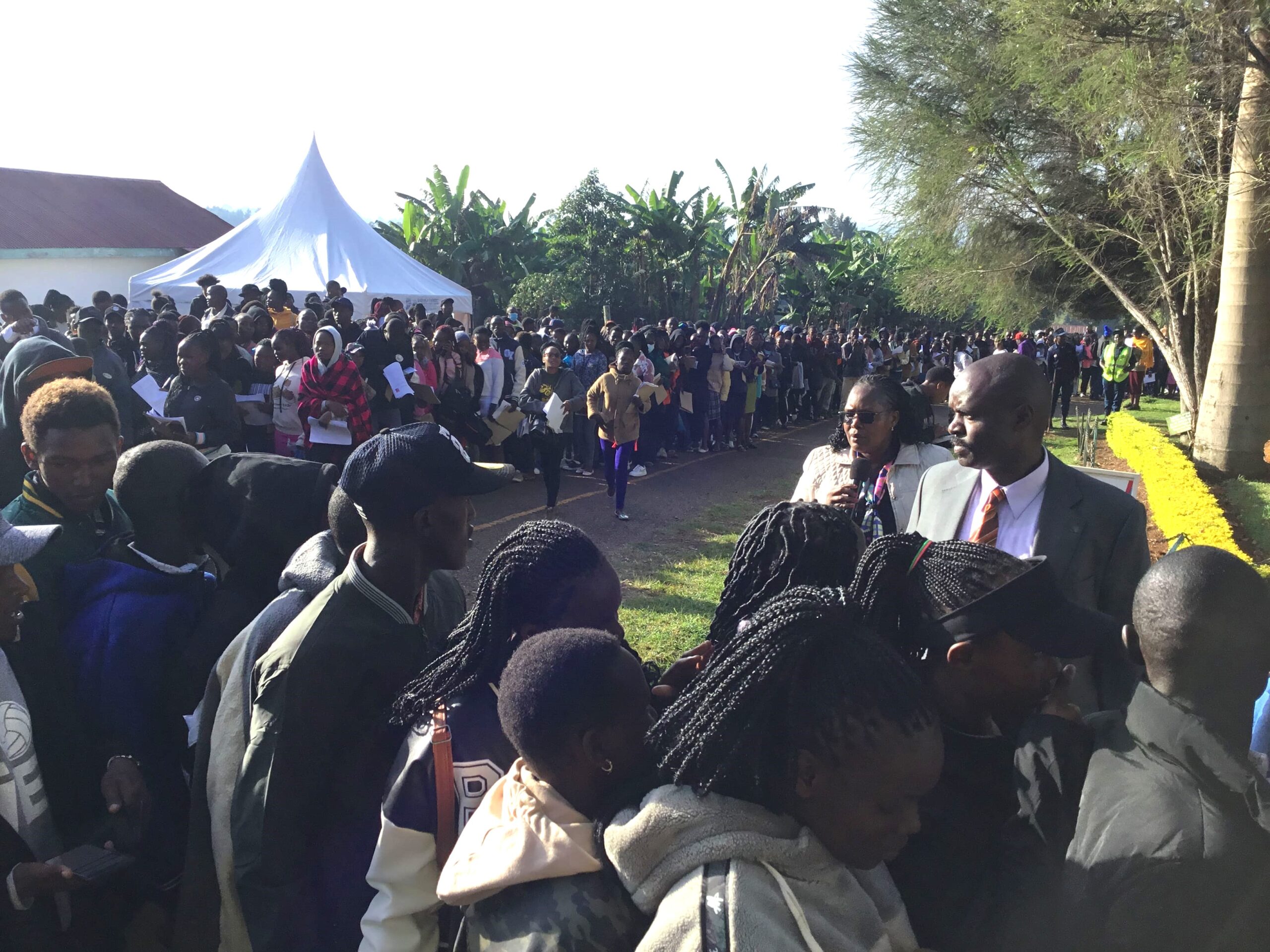
Speaking at Meru University of Science and Technology, Dr Barasa called on researchers to take a keener interest in bamboo development and use, noting that developing the sector requires partnerships between universities, government, communities and other stakeholders. Dr Barasa attended the Bamboo Expo and Conference 2026 at the university, which brought together researchers, government officials, farmers, innovators and industry players.
She said Kenya now only requires action, including training farmers and establishing reliable markets for bamboo products, since the country already has the necessary policies and strategies.
“I challenge universities and other learning institutions to prioritise the research on bamboo in order to unlock its full potential. Kenya can attain even more owing to its favourable climatic conditions. Researchers should now take a greater interest in bamboo because developing the sector requires partnerships between universities, government, communities and other stakeholders. Already we have the necessary policies and strategies,” said the CS.
Dr Barasa said in Ethiopia, bamboo supports about eight million jobs, while in Ghana it has created more than one thousand jobs through the bamboo sector.
She said with proper management, market linkages and value addition, bamboo can contribute to household incomes and create opportunities for community-based enterprises.
Meru University of Science and Technology Vice Chancellor Prof Romanus Odhiambo lauded the Ministry of Environment, Climate Change and Forestry for choosing the institution to host this year’s bamboo celebrations.
The VC revealed that the institution is undertaking various research initiatives aimed at addressing the effects of climate change and equipping Kenyans with knowledge and solutions, with bamboo planting and production being among them.
He urged Kenyans to embrace bamboo farming as a way of combating the effects of climate change and creating economic opportunities.
Universities challenged on bamboo processing
Bamboo Association of Kenya Chairman Victor Mwanga has also called on universities and other institutions of higher learning to come up with innovative machines capable of producing industrial and economical timber products.
He said wood products such as plywood can be used in construction and other household applications to safeguard indigenous trees since they take longer to mature.
Speaking at Meru University of Science and Technology, Mwanga also challenged academic institutions to review engineering and mechanics courses to pave the way for increased use of bamboo as an alternative raw material for timber and other products.
“I call on all universities and other academic institutions to come up with innovative machines capable of producing industrial and economic timber products. The wood products such as plywood can be used in construction and other household equipment to safeguard indigenous trees since they take longer time to mature,” said Mwanga.
Mwanga insisted that engineers and manufacturers will require appropriate machinery and technology to improve efficiency in bamboo processing.
He said bamboo takes about five years to mature to a usable stage, making it a potentially viable crop for farmers and the wider economy.
Following the conclusion of World Bamboo Day celebrations, and with Kenya and the world stepping up efforts to mitigate the effects of climate change, environmentalists are advocating for increased use of alternative tree resources.
READ ALSO: Kenya must prepare the next generation of academics before the current one retires
They want increased use of fast-growing and environmentally friendly bamboo to ease pressure on indigenous trees while contributing to efforts to mitigate the effects of climate change.
By John Majau
Get more stories from our website: Education News
To write to us or offer feedback, you can reach us at: editor@educationnews.co.ke
You can also follow our social media pages on Twitter: Education News KE and Facebook: Education News Newspaper for timely updates.
>> Click here to stay up-to-date with trending regional stories