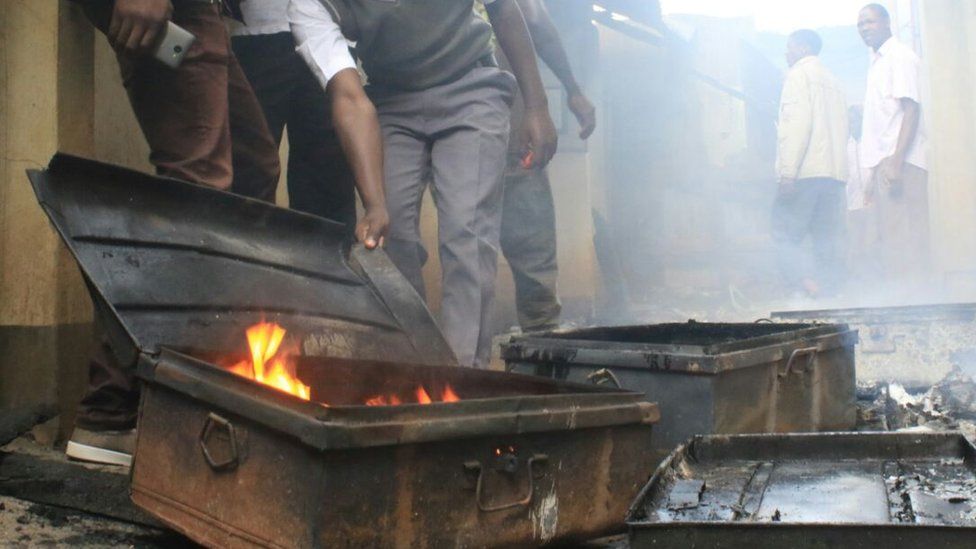
- Dormitory arson is a deliberate act preceded by identifiable warning signs, not spontaneous combustion.
- Schools should shift from reactive punishment toward proactive prevention that builds trust and safety awareness among learners.
School fires are not random acts of spontaneous combustion; they are calculated, deliberate responses to unmanaged frustration, systemic communication failure, and structural vulnerabilities. When learners torch dormitories, it marks a total breakdown in institutional trust and intelligence. Protecting learners requires moving away from post-tragedy lamentation toward aggressive, realistic prevention.
The Reality of Arson in Schools
Arson requires intent, access, and accelerants. In almost every school fire, clues exist hours or days before the match is struck. Whispers in dorms, subtle defiance, sudden changes in group dynamics, and minor vandalism precede the flames. The failure lies in a system that ignores these warnings until smoke appears.
1. Radical Opportunity Denial
Safety begins by removing the physical ability to carry out arson.
- Continuous Supervision: Dormitories must never be left unmonitored during prep, assembly, or co-curricular activities. Unsupervised spaces invite sabotage.
- Rigorous Contraband Audits: Conduct frequent, professional inspections to intercept petrol, hand sanitisers, matches, lighters, and banned substances before they enter living quarters.
- Safety Without Traps: Emergency exits must remain unblocked and easily openable from the inside during sleeping hours. Windows must not be sealed with permanent steel grilles that turn dormitories into fatal traps. Fire extinguishers and functional smoke detectors must be present in every corridor.
ALSO READ: Kericho Tea Boys shut after fresh unrest as students sent home
2. Ground-Level Intelligence and Early Interception
Arson is prevented through information, not reaction.
- Mobilising Non-Teaching Staff: Matrons, cooks, groundskeepers, and security guards hear and see what teachers miss. They must be formally integrated into the school security network through brief, daily briefing sessions.
- Anonymous Early Warning Channels: Learners almost always know who is behind a planned attack. Provide secure, reliable, and truly anonymous reporting mechanisms, digital or physical, so students can report threats without fear of violent retaliation.
- Tracking Behavioural Red Flags: Guidance and counselling must actively identify acute distress, hostility, or sudden isolation in students rather than serving solely as a post-punishment desk.
3. Fostering Institutional Ownership
A student does not burn down a home they feel part of.
- Real Dialogue, Not Dictatorship: Unrest thrives when grievances about diet, discipline, academic pressure, or teacher high-handedness are dismissed. Active, responsive student councils strip away the motivation for violence.
- Shared Responsibility: Involve learners directly in safety oversight and facility maintenance. When students build and maintain their environment, peer pressure shifts from destruction to protection.
ALSO READ: Fire ravages Hill School dormitory in Eldoret, 340 students affected
The Bottom Line: Learner safety is non-negotiable. Protecting schools demands vigilant oversight, active ground intelligence, and a culture where learners see their school as a sanctuary worth defending.
By Kim Ndiema
Ndiema is a Disaster Management Expert, Counsellor & Educationist
Get more stories from our website: Education News
To write to us or offer feedback, you can reach us at: editor@educationnews.co.ke
You can also follow our social media pages on Twitter: Education News KE and Facebook: Education News Newspaper for timely updates.
>> Click here to stay up-to-date with trending regional stories