- Education stakeholders in Turkana have called for increased and equitable funding for marginalised learners.
- They want higher capitation, stronger boarding-school support and increased funding for learners with disabilities.
- Stakeholders also presented differing proposals on Junior Secondary School governance and County Education Boards.
Education stakeholders in Turkana County have called for increased and equitable government funding to support learners in marginalised areas and address persistent disparities in access to education.
The stakeholders said inadequate capitation, limited support for boarding schools and insufficient funding for learners with disabilities continue to undermine access to quality education in the county.
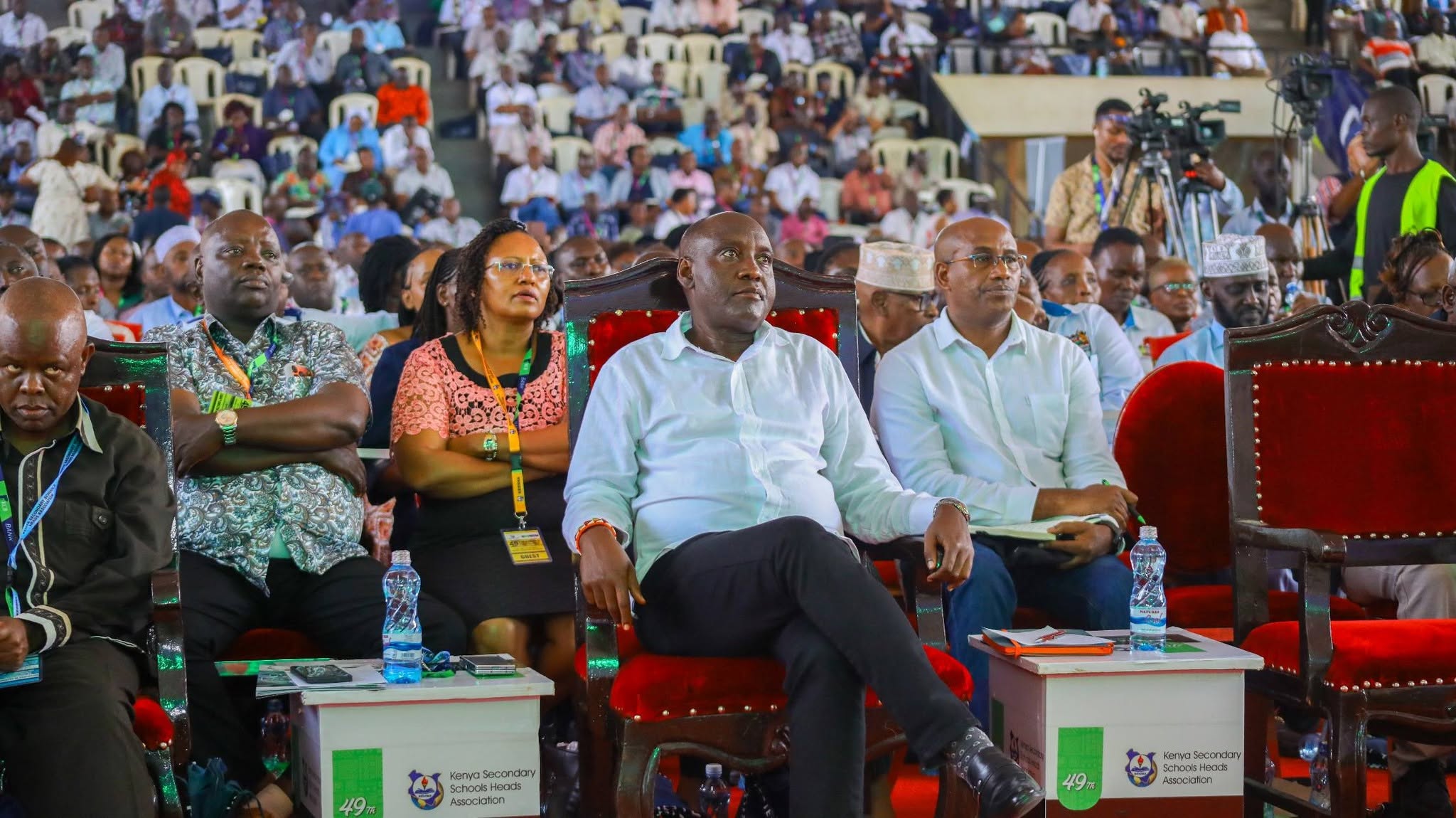
They made the proposals on Monday as the National Assembly Departmental Committee on Education began the second week of public participation on six proposed Education Reform Bills. The Turkana hearing was held at Turkana University College in Lodwar.
The committee, led by Tinderet MP Julius Melly, met teachers’ unions, education managers, parents, students, university and TVET representatives, persons with disabilities, private schools and members of the public in Turkana. Melly chairs the National Assembly Departmental Committee on Education.
Stakeholders seek increased capitation
The Kenya National Union of Teachers (KNUT) called for adequate and timely capitation based on the number of learners enrolled in schools.
The union also proposed full government funding for learners in low-cost boarding institutions and supported retention of the comprehensive school model, with Junior Secondary Schools (JSS) remaining domiciled in primary schools.
KNUT’s support for the comprehensive school model contrasts with KUPPET’s position that Junior schools should have autonomous leadership and governance structures, a difference that has also emerged during the wider public participation exercise.
Boards of Management chairpersons in Turkana similarly called for increased capitation based on actual enrolment, saying the current allocation was insufficient to meet schools’ operational needs.
They also sought adequate funding for boarding schools to reduce reliance on additional levies imposed on parents and proposed the establishment of a consolidated national bursary fund.
The Parents Association called for enhanced financial support for learners from marginalised communities, including an equalisation fund targeting disadvantaged areas.
The association also proposed reduced interest rates on student loans and greater fairness in university placement and access to tertiary education funding.
Representatives of persons with disabilities urged the government to increase capitation for learners with special needs, proposing that the current allocation be raised from half to three-quarters.
They further called for university loans for students with disabilities to be made free or heavily subsidised to improve access to higher education.
Stakeholders differ on JSS governance
The stakeholders also raised concerns over the governance of education institutions.
KNUT opposed a proposal to have County Education Boards chaired by County Commissioners, arguing that the boards should instead be headed by education professionals. The union also called for teacher representatives to be included in Boards of Management.
On JSS, KNUT backed the retention of the comprehensive school model, while the Kenya Union of Post-Primary Education Teachers (KUPPET) called for JSS to be made autonomous and separately recognised, with its own Board of Management and governance structure.
KUPPET argued that sharing facilities should not automatically lead to the merger of institutions and called for the Basic Education Bill to clearly distinguish between the different levels of education.
The disagreement reflects a wider national debate during the hearings, with KUPPET supporting autonomous Junior schools while KNUT backs the comprehensive school model.
Calls for stronger teacher training
Stakeholders further called for stronger teacher professional development programmes.
KNUT proposed mandatory career progression and free in-service training for teachers, while the Centre for Mathematics, Science and Technology Education in Africa (CEMASTEA) called for its mandate as the institution responsible for in-service teacher training to be anchored in the Basic Education Bill.
Several stakeholders supported the proposed transformation of the Kenya Education Management Institute (KEMI) into the Kenya School of Education.
KNUT proposed that the three existing colleges be retained as satellite campuses, while Turkana University College called for the transition to be completed within three years.
On bursaries, Turkana University College called for an inclusive and non-discriminatory allocation system and proposed an appeal mechanism for students who believe they have been unfairly denied financial support.
TVET trainers and professionals from Turkana also called for special funding for technical and vocational institutions operating in marginalised areas, saying such institutions require additional support to serve communities effectively.
The stakeholders further called for improved funding for TVET institutions, examination services and schools, as well as enhanced support for learners with disabilities.
The committee said it had taken note of the concerns and recommendations raised during the public participation and would consider them in preparing its report.
READ ALSO: Machakos steps up disaster preparedness ahead of anticipated El Niño rains
The public participation exercise continues as the committee visits other parts of the country to collect views on the proposed Education Reform Bills. Parliament has since extended the hearings to October 2, 2026, adding 16 counties and taking the exercise to all 47 counties.
By Daniel Echwa
Get more stories from our website: Education News
To write to us or offer feedback, you can reach us at: editor@educationnews.co.ke
You can also follow our social media pages on Twitter: Education News KE and Facebook: Education News Newspaper for timely updates.
>> Click here to stay up-to-date with trending regional stories