- The Ministry of Health has announced a Sh2.9 billion preparedness plan ahead of forecast above-normal October–December El Niño rainfall.
- Households should build their own “shock absorbers,” including emergency plans, financial reserves and safe water and food storage.
- Government resources should also reach vulnerable communities before disaster strikes.
The Ministry of Health’s Sh2.9 billion El Niño preparedness plan is welcome. But here is the uncomfortable question: what happens when the rain reaches the doorstep of an ordinary Kenyan family? Government can map high-risk counties, stock medicines and coordinate emergency teams. Families must build their own shock absorbers.
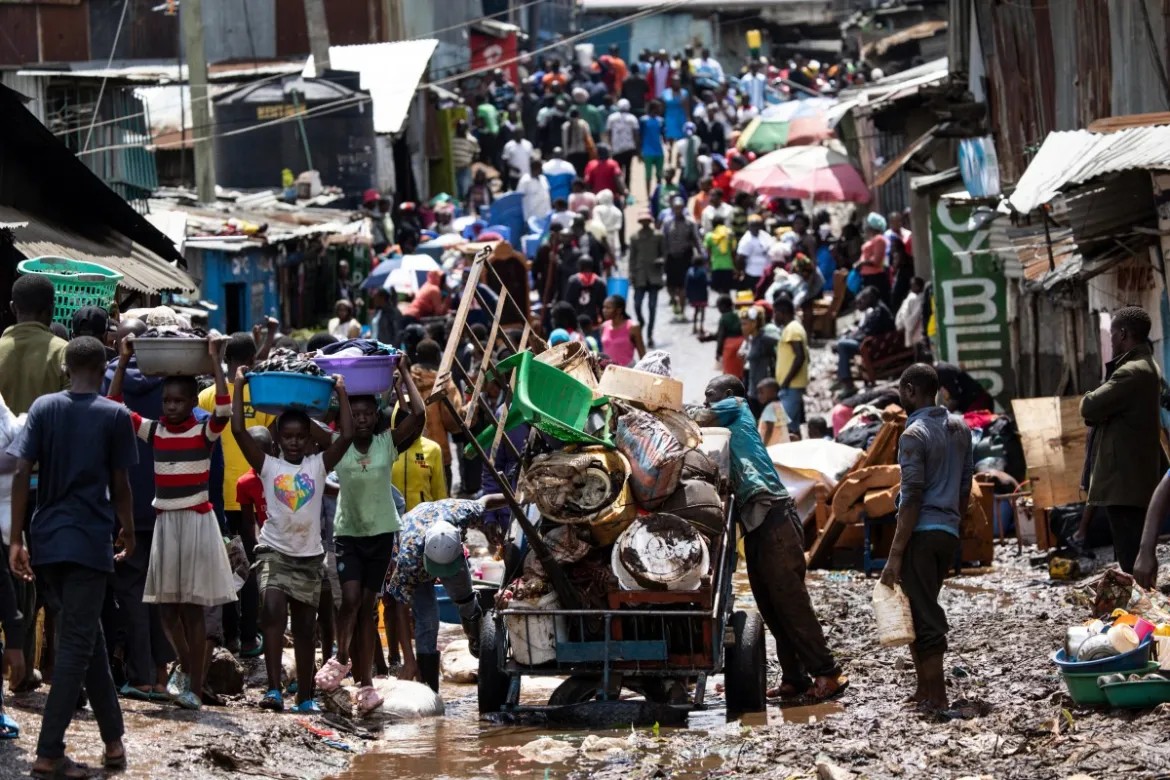
The forecast of above-normal October–December rainfall should not produce panic; it should produce preparation. Past floods have shown that disaster quickly becomes a household economic crisis: lost income, damaged homes, school disruption, contaminated water, illness and unexpected medical bills.
Every household should now have a simple emergency plan: identify the safest evacuation route, keep important documents waterproof, charge phones, maintain emergency contacts and agree where family members will reunite if separated. Parents should ensure children know whom to call and where to go.
Financial preparedness matters just as much. Where possible, families should preserve an emergency reserve rather than spend every shilling. Even a modest buffer can buy food, transport, medicine or temporary accommodation when normal income is interrupted. Those with livestock should plan where animals can be moved before flooding, not after.
ALSO READ:
Kwale steps up preparations for El Niño rains ahead of national exams
Food and water deserve special attention. Store safe drinking water, protect food from contamination and avoid walking or driving through moving floodwater. The Health Ministry has specifically warned that flooding can contaminate water sources and increase risks of cholera, typhoid and other diseases.
Then there is the psychological shock absorber. Families should discuss the possibility of disruption without frightening children. Panic destroys judgement. A calm household with a plan is more resilient than a household waiting for government rescue.
The government’s real test is not the size of the budget but whether resources reach vulnerable communities before disaster strikes. Procurement, county coordination, early warnings, accessible shelters and functioning health facilities must work before the first emergency call.
Citizens, too, must reject the dangerous culture of waiting until disaster is visible. Preparedness is not pessimism; it is prudence.
ALSO READ: Establish an independent office to work with County Education Boards
El Niño may be a weather phenomenon, but its consequences are economic, social and psychological. Government needs shock absorbers. So do families. The strongest defence is therefore not government versus citizen, but government and citizen preparing early, acting intelligently and refusing to repeat the expensive lesson of being caught unprepared.
By Yabesh Onwonga
History and language analyst
Get more stories from our website: Education News
To write to us or offer feedback, you can reach us at: editor@educationnews.co.ke
You can also follow our social media pages on Twitter: Education News KE and Facebook: Education News Newspaper for timely updates.
>> Click here to stay up-to-date with trending regional stories