- The Basic Education Bill, 2026 seeks to repeal the Basic Education Act, 2013 and create a new legal framework for the entire basic education cycle under Competency-Based Education.
- Key proposals include the comprehensive school model, stiff penalties for illegal levies, new admission rules, stronger inspection, a coordinated bursary system and a firmer legal foundation for KEMIS.
The Basic Education Bill, 2026 could fundamentally reshape how Kenya’s schools are organised, managed, funded and held accountable. Published on July 24, 2026, the proposed law seeks to repeal the Basic Education Act, 2013 and establish a new legal framework covering the entire basic education cycle—from pre-primary and primary through junior school and senior school.
At stake is not simply a change in legislation. The Bill seeks to give legal backing to an education system that has already undergone major structural changes under Competency-Based Education. Its real test, however, will be whether the proposed legal reforms are matched by adequate financing, teachers, infrastructure, reliable data and effective accountability.
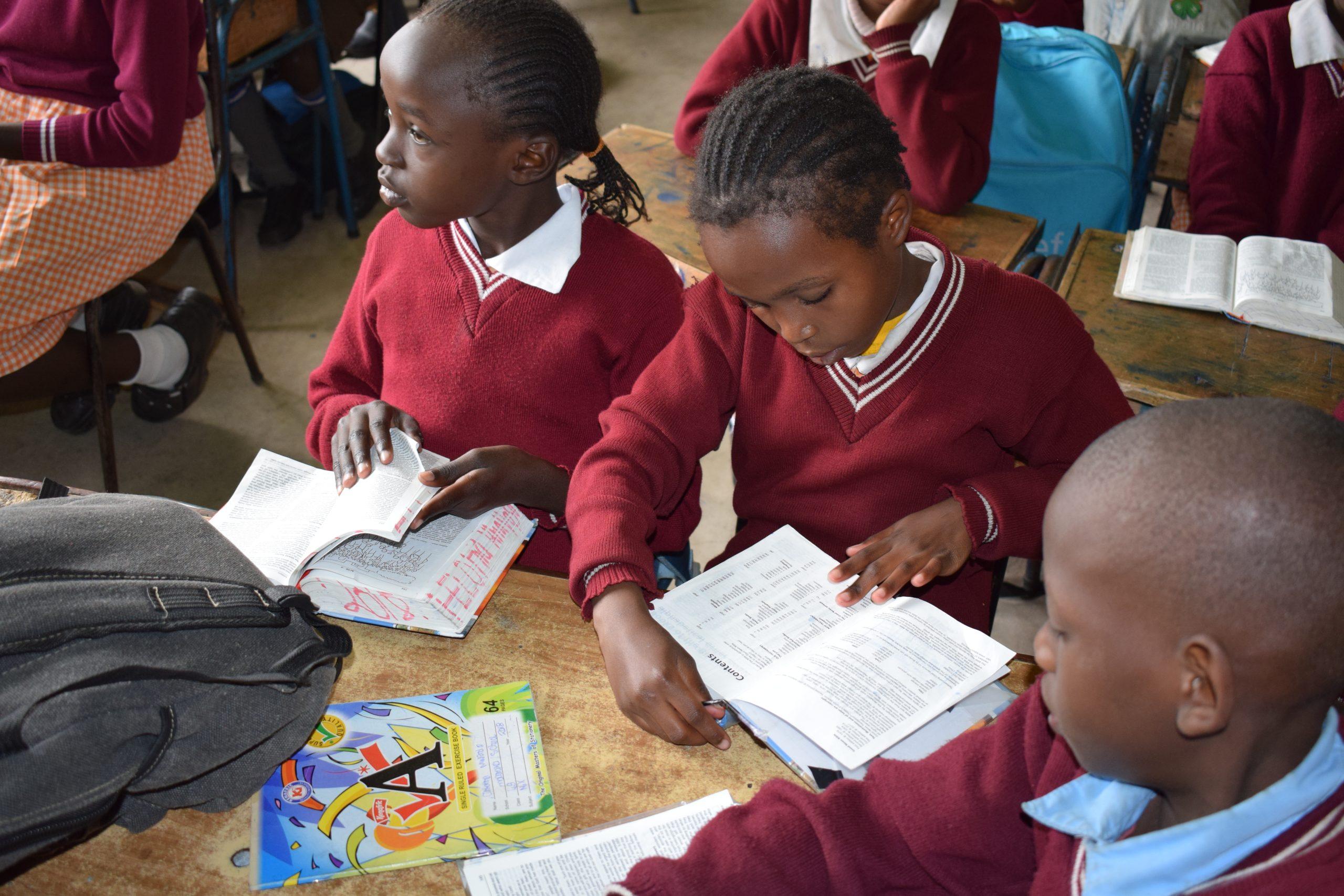
One of the most significant proposals is the comprehensive school model. Where primary and junior school are located within the same institution, they would operate as one school, with one principal, one Board of Management and a unified administrative and funding structure.
This could substantially change the way primary and JSS have been managed since the introduction of junior school. Instead of parallel administrative structures, the Bill seeks to create a single institution. The critical question will therefore shift from whether primary and JSS are separate to how leadership, teachers, resources and responsibilities will be organised within the comprehensive school.
The proposed law also takes a hard line on illegal levies. Public schools would not charge tuition, while other charges would have to comply with the approval requirements set out in the law. Those found responsible for unauthorised levies could face a fine of up to Sh1 million, imprisonment for up to three years, or both.
This provision places a significant responsibility on principals, headteachers and Boards of Management. But it also raises a fundamental financing question: if schools are prohibited from raising unauthorised money from parents, will government funding be adequate and timely enough to meet legitimate operational needs?
ALSO READ: Kamagambo Varsity gets interim authority as Govt demands quality before expansion
The Bill proposes major changes to admission as well. Schools would not administer entrance examinations as a condition for admission, while discrimination based on factors such as ethnicity, gender, religion or disability would be prohibited. A child would also not be denied admission simply because they lack a birth certificate.
Parents would have a right to challenge an admission decision, including through an appeal to the County Education Board within the stipulated period. The proposed framework therefore seeks to make access to basic education less dependent on circumstances beyond a child’s control.
Responsibility would also extend to parents. The Bill proposes penalties for parents who deliberately keep children out of school for reasons including child labour, family disputes or certain cultural practices. The proposed penalties are severe, signalling that school attendance is being treated as a shared responsibility involving the State, schools and families.
Special-needs education receives greater attention under the proposed framework. The Government would be required to maintain information on learners with special educational needs, while institutions responsible for special-needs education would receive a stronger statutory framework.
But legislation alone will not deliver inclusive education. Learners with disabilities require specialised teachers, assistive devices, accessible classrooms, appropriate learning materials and assessment systems that recognise their different needs.
The proposed strengthening of school inspection is another important feature. A Director of Schools Inspections and inspectors would have responsibility for monitoring areas including curriculum implementation, examinations, governance and school finances.
Greater inspection could strengthen accountability, but its effectiveness will depend on whether inspection is used not merely to identify violations but also to help schools improve teaching, management and learner outcomes.
Bursaries, scholarships and KEMIS
The Bill also proposes a coordinated national system for bursaries and scholarships. Such a system could help establish who is receiving assistance, from which programme and how much, making it easier to identify duplication and gaps in support.
KEMIS would also gain a stronger legal foundation. Schools would be required to submit accurate learner information, while providing false information would constitute an offence.
That provision is particularly significant in an education system increasingly dependent on digital data. Learner numbers influence planning, capitation, placement, infrastructure and teacher deployment. If the data is inaccurate, government decisions based on it can also be distorted.
The Bill further seeks to clarify responsibilities between the national and county governments. The national government would remain responsible for primary, junior and senior school education, while counties would retain responsibility for pre-primary education.
Faith-based education would also receive formal recognition, with programmes such as madrassa, duksi and pastoral education brought within the broader education framework.
Can legal reform improve the classroom?
Yet beneath all these provisions lies the central challenge facing the proposed law: can Kenya turn legal reform into practical improvement in the classroom?
A new law cannot by itself put a teacher in an understaffed classroom, construct a laboratory for senior school, provide adequate capitation, equip a special-needs learner or eliminate overcrowding. Nor can legislation alone guarantee that the comprehensive school model will work smoothly where leadership, staffing and resources remain contested.
The Basic Education Bill, 2026 therefore represents a major attempt to provide a legal architecture for Kenya’s evolving education system. But its lasting impact will depend on what happens after Parliament passes it—how government finances it, how institutions implement it, how teachers and school leaders are supported, and how effectively the system is monitored.
READ ALSO: Senator Sigei meets SOT TTI student leaders after elevation to national polytechnic
The real question is no longer simply whether Kenya needs a new education law. It is whether the new law will finally connect policy, funding, leadership and accountability closely enough to deliver the education system that CBE promises.
By Hillary Muhalya.
Get more stories from our website: Education News
To write to us or offer feedback, you can reach us at: editor@educationnews.co.ke
You can also follow our social media pages on Twitter: Education News KE and Facebook: Education News Newspaper for timely updates.
>> Click here to stay up-to-date with trending regional stories