- FGM, early marriage and teenage pregnancy remain serious threats to Kenyan girls despite notable progress,
- The 2026 Economic Survey data shows235,900 adolescent pregnancies in 2025, with Nairobi, Kakamega and Narok recording the highest numbers.
- There is a need for stronger school counselling systems, active parental involvement, church engagement and the inclusion of boys and men in efforts to protect girls from exploitation and harm.
Kenya has changed. We have expanded access to education, embraced technology and placed more information within reach of our children than ever before. We have also enacted laws and mounted campaigns against practices that threaten the wellbeing of children. Yet one uncomfortable question remains: are we doing enough to protect our girls? As an educator, I believe we still have a long way to go.
Female genital mutilation (FGM), early marriage and teenage pregnancy remain painful realities for many Kenyan girls. The conversations may not be as loud as they once were, but silence should never be mistaken for victory. In some communities, these practices continue quietly, disrupting education, limiting opportunities and altering the course of young lives. This is why the renewed Government commitment to ending FGM and protecting girls, recently reaffirmed by Gender and Social Services Cabinet Secretary Anna Cheptumo, should be more than a statement of intent. It should renew the sense of urgency among families, schools, communities, religious organisations and policymakers. FGM is not simply a cultural issue; it is a child-protection, health, human rights and education issue.
Kenya has made significant progress in the fight against FGM. According to the 2022 Kenya Demographic and Health Survey, FGM prevalence among women aged 15–49 declined to 15 per cent, from 38 per cent in 1998. This is encouraging, demonstrating that legislation, advocacy, education and sustained community engagement can change practices that have existed for generations. But progress should not breed complacency.
Teenage pregnancy remains another serious challenge. The 2026 Economic Survey reported that 235,900 adolescents aged 10–19 presented with pregnancy at their first antenatal care visit in 2025, with Nairobi recording the highest number of cases at 14,300, followed by Kakamega at 11,800 and Narok at 10,900. The 2024 Kenya Vital Statistics Report provides another worrying perspective, showing that teenage mothers accounted for 11.3 per cent of registered live births nationally, while Narok recorded the highest proportion at 17.5 per cent, followed by Meru and Nyamira. These figures should concern every Kenyan, but statistics can sometimes conceal the human story behind them.
ALSO READ:
Kisii: 40 schools in Kitutu Chache North benefit from NG-CDF infrastructure funding
For a teacher, that story is impossible to ignore. It is heartbreaking to see a vulnerable girl, particularly one from a disadvantaged background, become pregnant before she has had an opportunity to complete her education. Behind every such case is a child with dreams, talents and potential. We must therefore be careful not to blame the girl, who may herself be a victim of poverty, exploitation, misinformation, inadequate protection, peer pressure or abuse. Instead of immediately asking “what did she do wrong?”, we should first ask “where did the protection around this child fail?”
The Ministry of Education deserves recognition for maintaining a framework that supports the re-entry of learners who become pregnant. A pregnant learner should not automatically be regarded as a failure or pushed out of education; she remains a child deserving dignity, support and an opportunity to continue learning. But re-entry cannot be the whole solution. Prevention must begin much earlier.
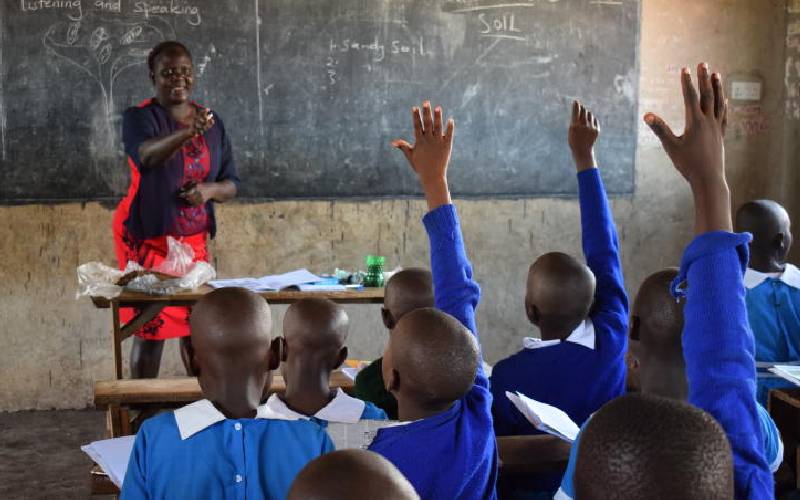
Schools are often among the first places where changes in a learner’s behaviour can be detected. A teacher may notice unexplained absenteeism, withdrawal, declining academic performance or sudden behavioural changes before anyone else does. However, teachers cannot be expected to carry every responsibility; they cannot simultaneously serve as professional counsellors, social workers, health professionals and child-protection officers. Schools therefore need stronger access to professional counselling and functional child-protection systems. Guidance and counselling should be proactive rather than something remembered only after a crisis, giving learners safe spaces to discuss relationships, peer pressure, personal boundaries, sexual exploitation and online risks without fear of ridicule or humiliation. Teachers should also be equipped to recognise warning signs such as unexplained gifts, older companions, frequent absenteeism and withdrawal, with clear referral pathways linking learners to appropriate health, psychosocial and child-protection services where specialised assistance is required.
Parents remain the first line of protection. A parent should be able to talk to a daughter about relationships, her body, personal safety and online behaviour without turning every conversation into a lecture or punishment, since children who fear their parents may hide serious problems until it is too late. Parents must also take an active interest in their children’s digital lives, as technology has opened tremendous opportunities for learning and communication but has also created avenues for grooming, exploitation and exposure to inappropriate content. The answer is not to keep children away from technology altogether, but to teach them how to use it safely and responsibly while providing appropriate parental guidance and supervision.
Kisumu partners with Swiss firm to revamp vocational training centres
Religious institutions remain influential in Kenyan communities and can play a much greater role in protecting children. Churches and other faith-based organisations should make child protection, responsible parenting, FGM, early marriage, teenage pregnancy and gender-based violence part of their regular community engagement. A sermon may inspire change, but sustained mentorship, counselling and community action can help make that change permanent. Religious and community leaders must also challenge beliefs and practices that put girls at risk while promoting values that uphold the dignity, safety and education of every child.
Government has an important responsibility in strengthening prevention, enforcement and support services. The Ministry of Education should continue investing in counselling, child protection, learner re-entry and effective referral systems. Health services for adolescents should be accessible and responsive, while reports of abuse and exploitation should receive timely attention. Women Representatives and other elected leaders can also make a meaningful difference through community mobilisation, mentorship, support for vulnerable families and initiatives that encourage girls to remain in school. But launching programmes is not enough. We must ask whether vulnerable girls are being reached, whether families are receiving support, whether more girls are staying in school and whether communities are abandoning harmful practices. These are the outcomes that matter.
Protecting girls cannot be left to women, mothers and teachers alone. Boys and men must be part of the solution. Young boys need to learn respect, responsibility, consent and healthy relationships, while men in positions of influence must openly reject sexual exploitation, child marriage and practices that endanger girls. A community that teaches girls how to protect themselves but fails to teach boys how to respect them has addressed only half of the problem.
ALSO READ: Trans Mara East BoM members trained to strengthen school leadership and excellence
Perhaps one of the most important steps is also one of the simplest: listen to girls. They understand the pressures they face at home, in school, in their communities and online, and their experiences should inform the policies and programmes designed to protect them. Kenya has already shown that social change is possible; the decline in FGM prevalence demonstrates that communities can reconsider harmful practices when leadership, education, awareness and sustained engagement come together. We can achieve similar progress in tackling early marriage and teenage pregnancy.
Let us stop waiting for another girl to become pregnant before we realise that she was struggling. Let us stop treating school re-entry as the end of the conversation, and stop placing the burden of protection on the girl alone. Our girls need adults who will notice, listen, intervene and stand with them. Every girl deserves the opportunity to complete her education, discover her abilities and build the future she dreams of. We cannot protect the girl child through slogans alone; we need action in our homes, schools, churches, communities and institutions. Because when we protect a girl from FGM, early marriage, exploitation or teenage pregnancy, we are not merely protecting one child. We are protecting a future, and that is a responsibility none of us should look away from.
By Astiba Kebong’o
Get more stories from our website: Education News
To write to us or offer feedback, you can reach us at: editor@educationnews.co.ke
You can also follow our social media pages on Twitter: Education News KE and Facebook: Education News Newspaper for timely updates.
>> Click here to stay up-to-date with trending regional stories