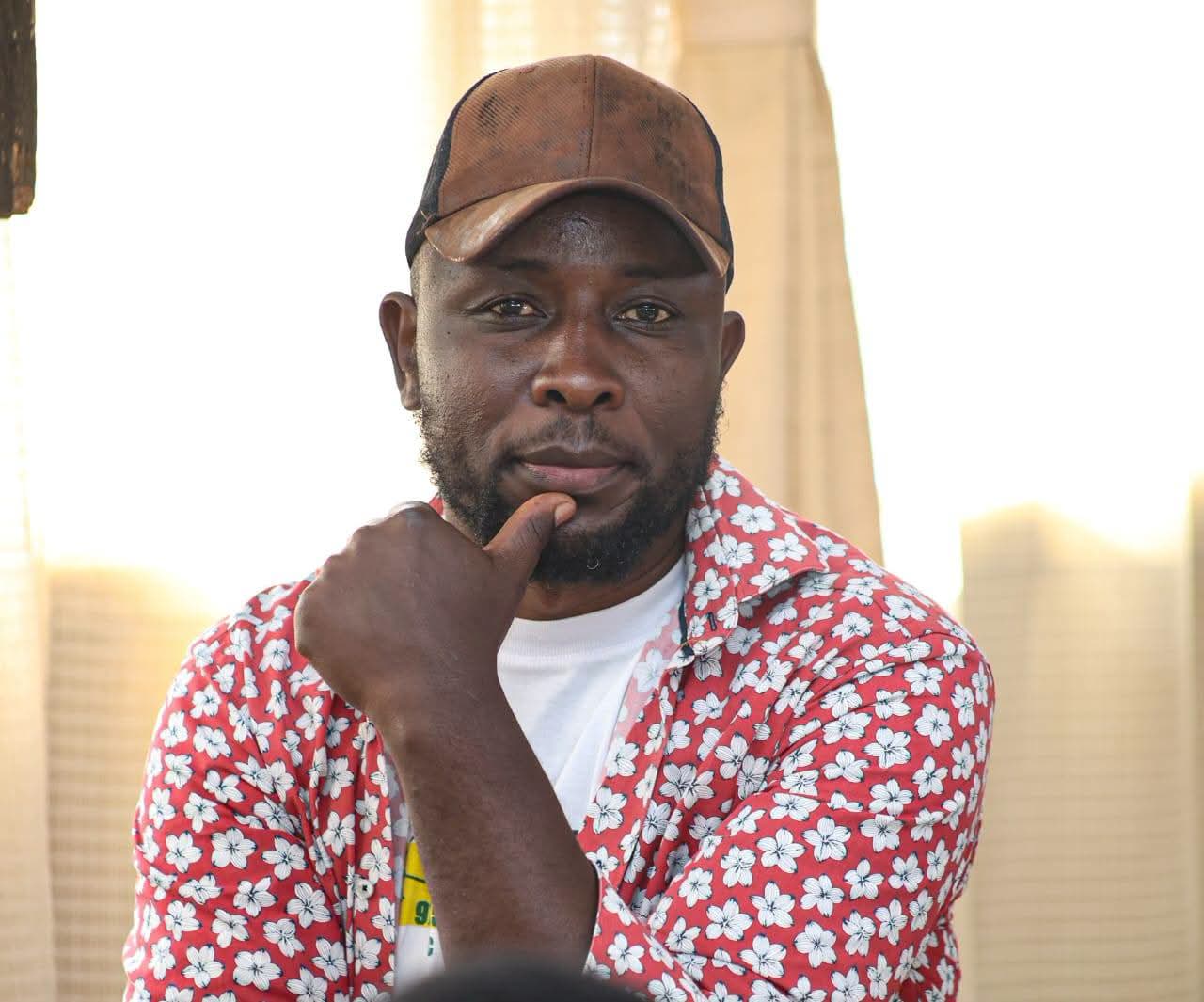
- Philip Muge says disability legislation must translate into tangible improvements for persons with disabilities.
- He wants national and county governments to enforce employment provisions and improve access to assistive devices.
- Muge has also called for stronger education, healthcare and assessment support for persons with disabilities.
National and county governments have been challenged to move beyond enacting disability laws and policies and ensure they are implemented to improve the lives of persons with disabilities.
National Ambassador for Human Rights and People with Disabilities Philip Muge said while the country had made progress in legislation and social programmes, weak implementation continued to prevent many persons with disabilities from enjoying their full rights. His latest calls for stronger implementation in Kericho have also been reported by KBC.
Speaking in Kericho, Muge singled out the Persons with Disabilities Act, 2025, enacted in May last year, as a significant development but warned that legislation would have little impact if its provisions were not enforced.
“Passing a law is only the beginning. We now need to see its provisions implemented so that persons with disabilities can actually feel the difference in their daily lives,” he said.
Muge challenged authorities to enforce the five per cent employment provision for persons with disabilities, saying failure to do so denied many people an opportunity to become economically independent.
“The five per cent employment provision should not remain on paper. We want to see persons with disabilities getting opportunities to work and participate meaningfully in the economy,” he said.
The Persons with Disabilities Act, 2025 requires national and county governments to put measures in place to ensure at least five per cent of employment positions are filled by persons with disabilities. It also requires employers with at least 20 employees to reserve at least five per cent of direct employment opportunities for persons with disabilities.
Call for appropriate assistive devices
Muge also questioned the effectiveness of some government efforts to provide assistive devices, saying beneficiaries should have a greater say in determining the equipment they need.
“Authorities should not simply procure assistive devices without consulting the people who will use them. We need equipment that is durable, appropriate and suited to individual needs,” Muge said.
He urged county governments to include persons with disabilities in planning and procurement processes to ensure public resources were used effectively.
Muge has previously raised similar concerns in Kericho, calling on counties to procure high-quality assistive devices that meet appropriate standards.
In Kericho, Muge called for the installation of a Brainstem Evoked Response Audiometry machine at the county’s Level Five Hospital to improve hearing assessments.
He said residents requiring specialised hearing services should not have to travel to other counties because of a lack of equipment.
Muge also called for more affordable hearing assessments, particularly for people seeking official registration as persons with disabilities.
“County governments should strengthen assessment services locally and make them affordable. The cost of assessment should not become a barrier to registration and access to services,” he said.
More support sought for learners with disabilities
On education, Muge said existing bursary programmes needed to be strengthened, with full funding for learners in special schools.
He also called for Social Health Authority coverage to be expanded to include assistive devices and related services.
“SHA should recognise the unique needs of persons with disabilities. Assistive devices and related services are essential to communication, mobility, education and independence,” he said.
Muge said national and county governments must also ensure persons with disabilities participate in decisions affecting their lives.
READ ALSO: Stakeholders urge TSC to ensure timely funding for field activities
He said adequate financing, inclusive planning and stronger oversight would be critical to ensuring that disability programmes translate into tangible benefits.
By Kimutai Langat
Get more stories from our website: Education News
To write to us or offer feedback, you can reach us at: editor@educationnews.co.ke
You can also follow our social media pages on Twitter: Education News KE and Facebook: Education News Newspaper for timely updates.
>> Click here to stay up-to-date with trending regional stories