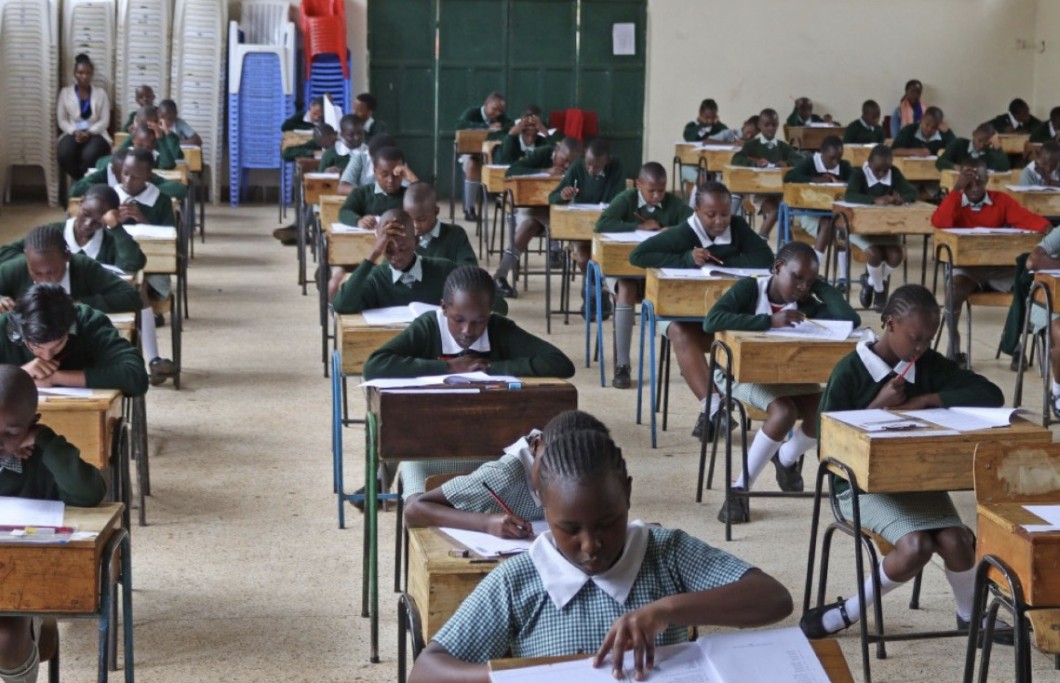
- UNICEF has found that more than 1.29 million Kenyan children aged 12 to 17 have experienced at least one form of technology-facilitated sexual exploitation or abuse, with the majority occurring on social media platforms.
- The findings have shown that 66 per cent of affected children knew their perpetrator, while reporting to police, social workers and helplines has remained extremely low, with a quarter of children unaware of where to seek help.
- Parliament has been urged to impose legal obligations on technology companies, establish a funded digital child-protection system, train specialist investigators, and strengthen school-based digital safety education and parental support programmes.
Kenya has put its children online and left the predators logged in. That is the brutal truth we should take from the latest UNICEF findings on online sexual exploitation and abuse.
More than 1.29 million Kenyan children aged 12 to 17 were subjected to at least one form of technology-facilitated sexual exploitation or abuse. More than 995,000 encountered unwanted sexual content. More than 355,000 had sexual images or videos shared without their permission. These are not numbers to be buried in a report. These are children’s lives being invaded. And Kenya’s response cannot continue to be lectures telling children to “be careful online.” That is an outrageous transfer of responsibility.
We have handed children smartphones, connected them to social media, gaming and messaging platforms, and then effectively told them to defend themselves against adults who understand precisely how to manipulate those platforms. A child is expected to recognise grooming. A child is expected to identify coercion. A child is expected to resist an adult offering money or gifts. A child is expected to understand the consequences of sharing an intimate image. And when something goes wrong, we ask: why didn’t the child report it? That is the wrong question. The right question is: why did we build a digital environment in which predators can reach children so easily and escape accountability so often?
UNICEF’s figures expose the scale of the failure. Sixty-one per cent of reported abuse occurred on social media, with WhatsApp and Facebook among the platforms where abuse was most prevalent. Even more disturbing, 66 per cent of affected children said the perpetrator was someone they knew. So much for the comforting fiction that online predators are always strangers. Sometimes they are already inside a child’s circle of trust.
ALSO READ:
Alfred Mutua’s journey from Riruta to the cockpit offers lessons in resilience
And our protection system is barely visible. Only 1 per cent of cases were reported to police, 0.4 per cent to social workers and 0.6 per cent to helplines. A quarter of affected children did not know where to seek help. That is not merely under-reporting. It is a national protection failure.
Kenya must stop treating this as an unfortunate side effect of modern technology. First, Parliament must impose real legal obligations on technology companies operating in Kenya. Child safety cannot remain a public-relations promise buried in community guidelines. Platforms must be required to detect grooming, sexual extortion and the distribution of child sexual abuse material, preserve evidence and respond rapidly to credible reports.
Second, Kenya needs a properly funded digital child-protection command system linking police, schools, social workers, helplines and technology companies. Third, the criminal justice system needs specialist investigators and prosecutors who understand digital evidence. A predator using a keyboard is still a predator. A crime committed through a phone remains a crime.
Fourth, schools must teach digital safety as seriously as they teach physical safety. Children need practical knowledge about grooming, coercion, sextortion, privacy, consent and reporting. Fifth, parents need support rather than blame. Many are trying to supervise technologies they barely understand. Government and schools should provide practical digital-parenting programmes.
ALSO READ: Kibabii Teachers College student leader dies after slasher attack, suspect arrested in Uganda
But the biggest responsibility lies with the platforms themselves. If a company can build an algorithm sophisticated enough to keep a child scrolling at midnight, it can build systems sophisticated enough to detect when a predator is targeting that child. Profit cannot come before protection.
Digital inclusion without digital safety is reckless. Kenya cannot boast about a connected generation while ignoring what that connection exposes them to. We have opened the digital door to our children. Now we must stop pretending we cannot see who is walking through it. A nation that cannot protect its children online has not achieved digital progress. It has merely digitised an old failure of protection.
By Yabesh Onwonga
Get more stories from our website: Education News
To write to us or offer feedback, you can reach us at: editor@educationnews.co.ke
You can also follow our social media pages on Twitter: Education News KE and Facebook: Education News Newspaper for timely updates.
>> Click here to stay up-to-date with trending regional stories