- President Ruto has declared that Sh18 billion has been credited to school accounts, a claim that has drawn scrutiny from within the education sector.
- KUPPET’s Moses Nthurima has warned that funding gaps could push schools toward charging parents if the situation is not addressed.
- Questions have emerged over whether the disbursed funds have reached schools in full and in time to settle accumulated supplier debts.
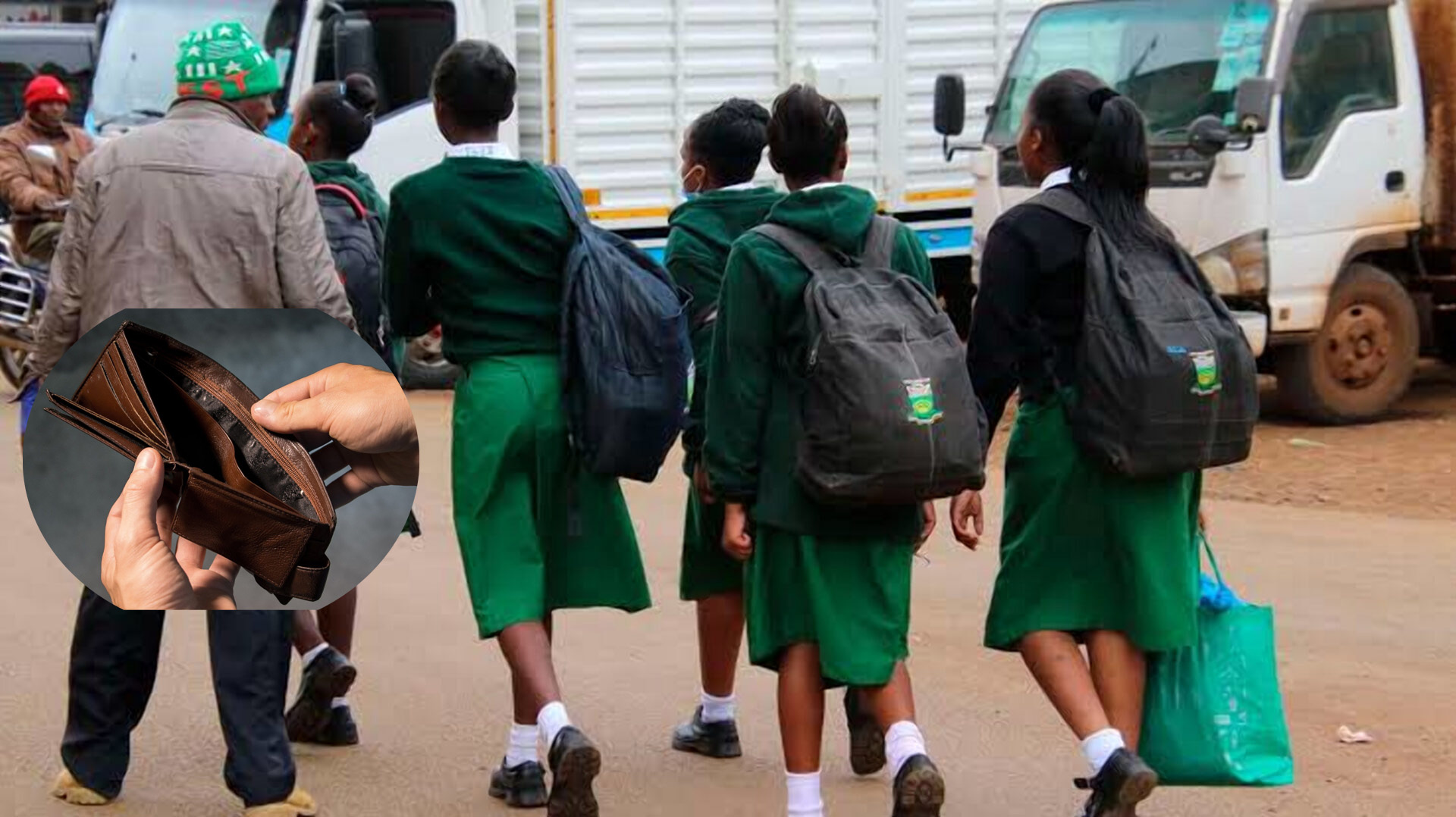
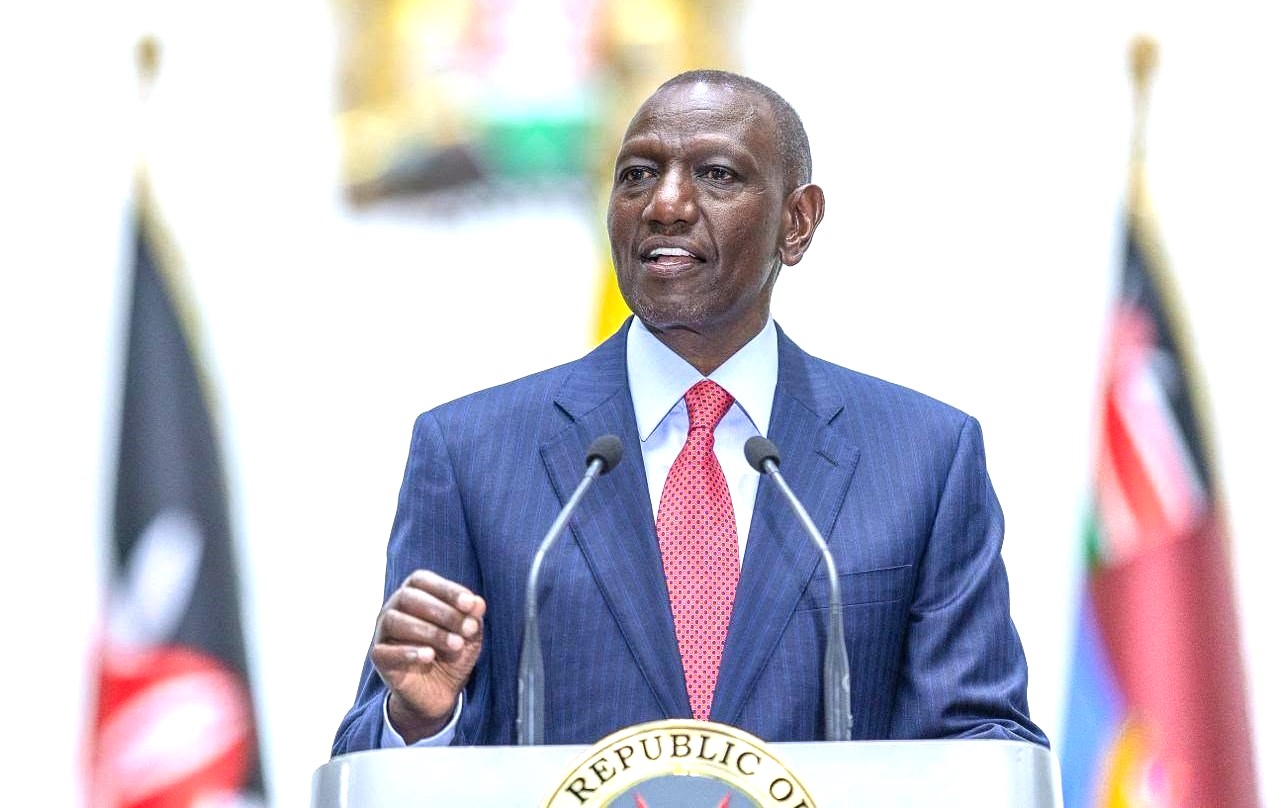
President William Ruto has placed a bold figure at the centre of Kenya’s latest education funding debate, saying Sh18 billion has been credited to school accounts. But the declaration has been met with a difficult question from within the schools themselves: if the money has reached institutions, why are some schools still grappling with mounting debts owed to suppliers?
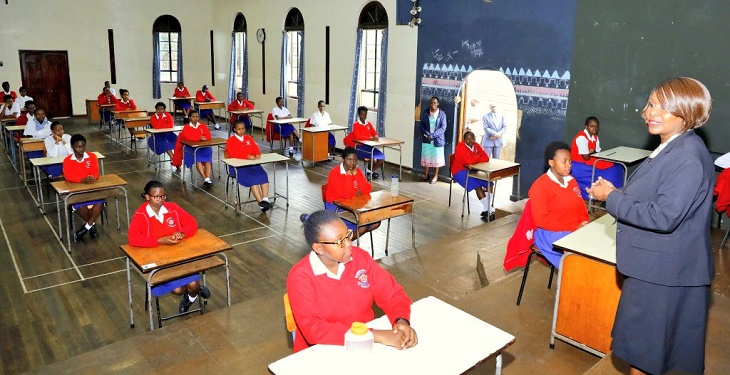
The President’s statement would ordinarily bring relief to school heads, teachers, suppliers and parents, given that schools cannot function without predictable financing. Yet the picture emerging from some institutions is more complicated, with reports of accounts registering deficits even after funds were said to have been disbursed.
KUPPET National Deputy Secretary-General Moses Nthurima has warned that teachers and school administrators could eventually be pushed towards charging parents if schools continue operating without adequate and accessible funding, a warning that has added urgency to calls for clarity on how the funds have been distributed.
The contradiction at the centre of the debate is stark: on one side, the government maintains that money has been released; on the other, schools report struggling with supplier debts despite the disbursement. Establishing where the disconnect lies requires answering several questions. Was the entire Sh18 billion credited across all targeted institutions? Were all schools credited at the same time? Are the funds fully accessible? Did the amount received by each institution match what it was expected to receive? And, critically, are the amounts sufficient to settle debts that had already accumulated?
ALSO READ:
Teachers raise alarm over limited SHA medical services in Webuye
These are not merely accounting questions, since they determine whether a school can actually function. An institution may have been allocated money on paper yet still struggle to settle a supplier who delivered food weeks earlier. It may receive funding that proves insufficient to clear accumulated bills, or receive the money only after debts have already piled up. The distinction between money released and money available for immediate use is therefore central to understanding the gap between the President’s figure and the experience being reported in schools.
Suppliers, who provide food, stationery, learning materials, maintenance services and transport-related services, sit at the heart of this gap. When schools are unable to pay them on time, suppliers effectively end up financing public education, delivering goods today while waiting for payment tomorrow. That arrangement becomes untenable once unpaid bills accumulate to a point where extending further credit is no longer possible, a scenario that can result in suppliers withholding deliveries, schools struggling to replenish essential materials, food supplies coming under pressure, and maintenance work being postponed.
It is against this backdrop that Nthurima’s warning carries weight. Should schools remain unable to meet their obligations due to funding gaps or delays, the pressure could shift toward parents, who are already carrying substantial financial burdens. The concern raised is not whether parents are willing to support their children’s education, but whether they should repeatedly be called upon to bridge gaps created within the public education financing system, particularly when teachers are expected to teach rather than manage debt, and headteachers are expected to run schools rather than negotiate with unpaid suppliers.
The government now has an opportunity to clarify the picture. Should the Sh18 billion indeed have been credited to school accounts, education officials would need to demonstrate the disbursement trail, including when the funds were released, how much was allocated to individual institutions, and whether the money is accessible for expenditure. Should schools remain heavily indebted despite the release, an explanation would be required, whether the amount released has proven insufficient, accumulated debts are absorbing new allocations, some schools received less than expected, or administrative delays are to blame.
Over 62,000 JSS teachers demand answers over unpaid ICT training allowances
The matter ultimately turns on accountability across the chain: KUPPET has articulated the concerns of teachers and school administrators, the government carries responsibility for demonstrating that public funds are reaching their intended destinations, school heads are expected to account for institutional finances, suppliers are owed payment for services rendered, and learners are owed an uninterrupted education.
Whether the Sh18 billion has eased the financial pressure facing schools, or whether the funding challenge has simply shifted from one account to another, may ultimately depend on tracing the money from government disbursement to the school account, and finally to the suppliers and learners it was intended to support. Until the official figures and the realities being reported by schools align, the central question remains: if Sh18 billion has been credited to school accounts, why are some schools still reporting debts owed to suppliers
By Hillary Muhalya
Get more stories from our website: Education News
To write to us or offer feedback, you can reach us at: editor@educationnews.co.ke
You can also follow our social media pages on Twitter: Education News KE and Facebook: Education News Newspaper for timely updates.
>>> Click here to stay up-to-date with trending regional stories