- Lawmakers are turning attention to interest rates, loan charges and debt-collection practices affecting Kenyan borrowers.
- Rapid growth in digital credit has heightened concerns over transparency, multiple borrowing and potentially harmful debt cycles.
- The debate seeks to balance stronger consumer protection with continued access to legitimate and affordable credit.
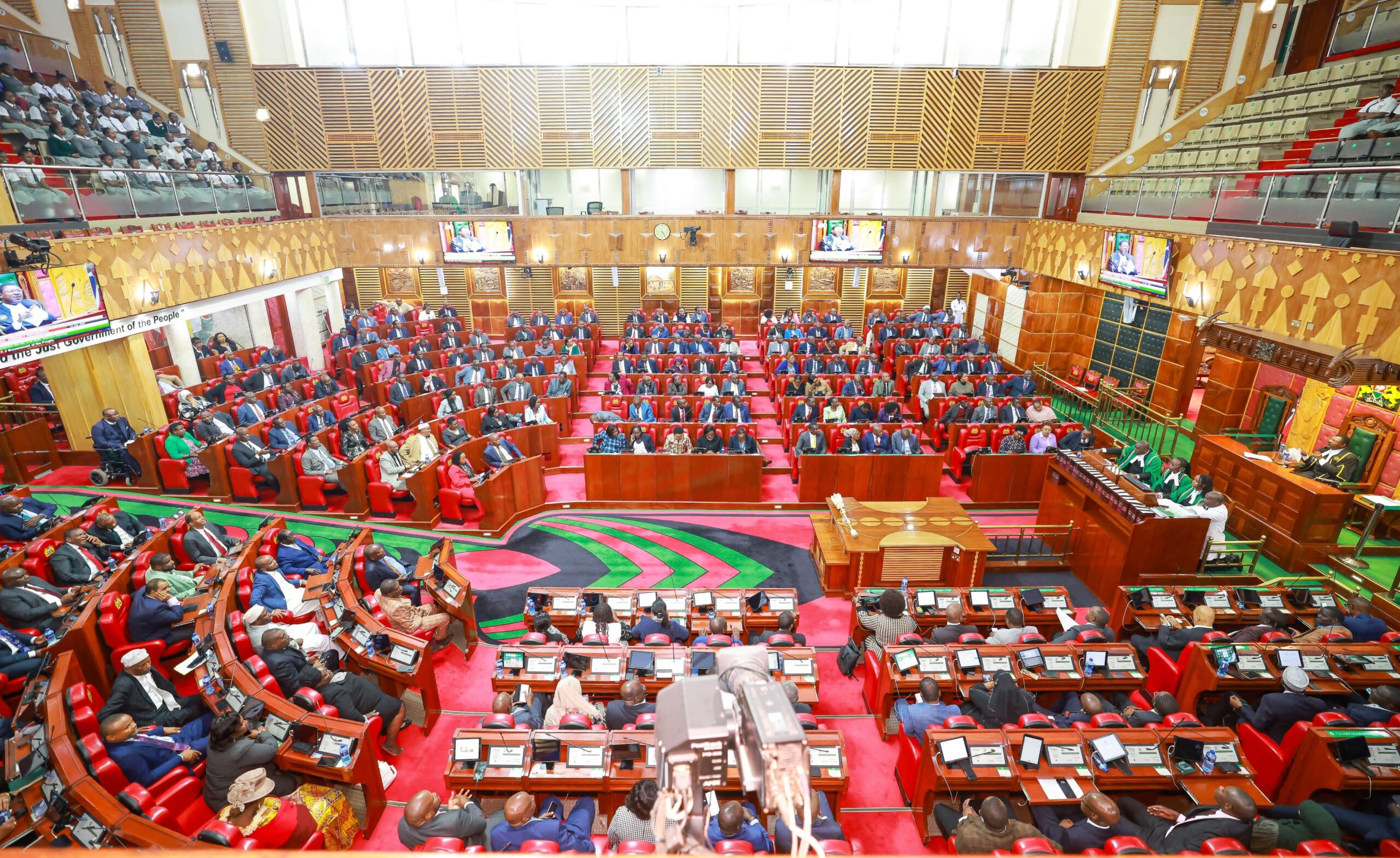
Parliament has intensified its focus on Kenya’s lending sector amid growing concerns over the treatment of borrowers, with lawmakers calling for stronger safeguards for citizens facing increasingly challenging debt burdens.
The scrutiny comes against a backdrop of rising reliance on credit as households and individuals grapple with the high cost of living, including school fees, medical expenses, rent, business financing and other essential obligations.
For many Kenyans, borrowing has become a critical financial lifeline when incomes fall short. However, lawmakers are now questioning whether certain lending practices are transforming that lifeline into a cycle of financial distress.
At the centre of the debate are concerns surrounding interest rates, additional fees, penalties, repayment terms and debt-collection practices employed by some financial institutions and digital lenders.
Members of Parliament are pushing for borrowers to receive clear, comprehensive and easily understandable information on the true cost of credit before entering into loan agreements.
There is concern that borrowers often focus on the amount disbursed without fully appreciating the cumulative cost arising from interest, processing fees, late-payment penalties and other associated charges.
This, lawmakers warn, can result in borrowers ultimately repaying significantly more than initially anticipated.
The rapid growth of digital lending has introduced a new dimension to the discussion. Mobile-based credit has significantly expanded access to finance, enabling Kenyans to apply for loans via their phones and receive funds within minutes.
While this convenience has improved financial access, it has also raised concerns about whether speed and ease of access are sometimes undermining responsible lending standards.
Lawmakers are particularly concerned about borrowers who take multiple loans to service existing debts, potentially creating a cycle in which new borrowing is used to repay previous obligations.
For financially vulnerable households, such cycles can become increasingly difficult to break.
Debt collection practices under the spotlight
Debt collection methods have also drawn parliamentary attention.
Concerns have been raised over persistent calls, intimidating messages and other aggressive recovery tactics allegedly used against borrowers who fall behind on repayments.
While lenders have a legitimate right to recover outstanding debts, lawmakers have emphasised that recovery processes must remain lawful and respect the dignity, privacy and rights of borrowers.
The debate therefore extends beyond access to credit, raising broader questions about what constitutes responsible lending in a modern financial system.
Push for responsible lending standards
Consumer protection advocates have long argued that financial inclusion should not be measured solely by the ease of access to credit.
True financial inclusion, they note, must also ensure that consumers fully understand loan terms and are protected from unfair or misleading practices.
This places clear responsibilities on both parties in the credit relationship.
Lenders are expected to provide transparent terms, fully disclose the cost of credit and adhere to lawful debt recovery procedures. Borrowers, in turn, are encouraged to carefully assess their repayment capacity before taking on credit obligations.
Cost of living pressures driving borrowing
Parliament’s intervention comes at a particularly sensitive time for Kenyan households.
With disposable incomes under strain, even relatively small unexpected expenses can compel families to seek emergency credit.
For some borrowers, loans are used to cover essential needs such as food, school requirements, medical care and other basic necessities rather than discretionary spending.
This reality underscores the importance of robust consumer protection measures.
The heightened scrutiny is expected to place banks, microfinance institutions and digital credit providers under greater pressure to demonstrate that their products are transparent, fair and compliant with consumer protection standards.
At the same time, lawmakers face the challenge of ensuring that stronger regulation does not inadvertently restrict access to legitimate credit for Kenyans who genuinely need it.
The objective, therefore, is not to limit lending, but to foster a more balanced credit environment that promotes both financial inclusion and accountability.
As Parliament continues its review, borrowers will be closely watching for potential reforms addressing the cost of credit, transparency in loan agreements and debt collection practices.
The debate has sparked a broader national conversation: How can Kenya expand access to credit while ensuring that vulnerable borrowers are not trapped in cycles of debt?
The outcome of this discussion could significantly shape the future of responsible lending in the country.
READ ALSO: Tragedy hits Vokoli Girls as Form Three student dies in night attack
For millions of Kenyans, the expectation remains clear: when they borrow, they should fully understand the cost, be aware of the consequences of default and be treated with dignity throughout the repayment process.
By Hillary Muhalya
Get more stories from our website: Education News
To write to us or offer feedback, you can reach us at: editor@educationnews.co.ke
You can also follow our social media pages on Twitter: Education News KE and Facebook: Education News Newspaper for timely updates.
>>> Click here to stay up-to-date with trending regional stories