- Public schools could face tough penalties for charging Kenyan learners tuition fees under proposed education reforms.
- The Basic Education Bill, 2026 also strengthens protections against exclusion, absenteeism and corporal punishment.
- Hillary Muhalya examines how the proposals could reshape responsibilities for schools, parents and the government.
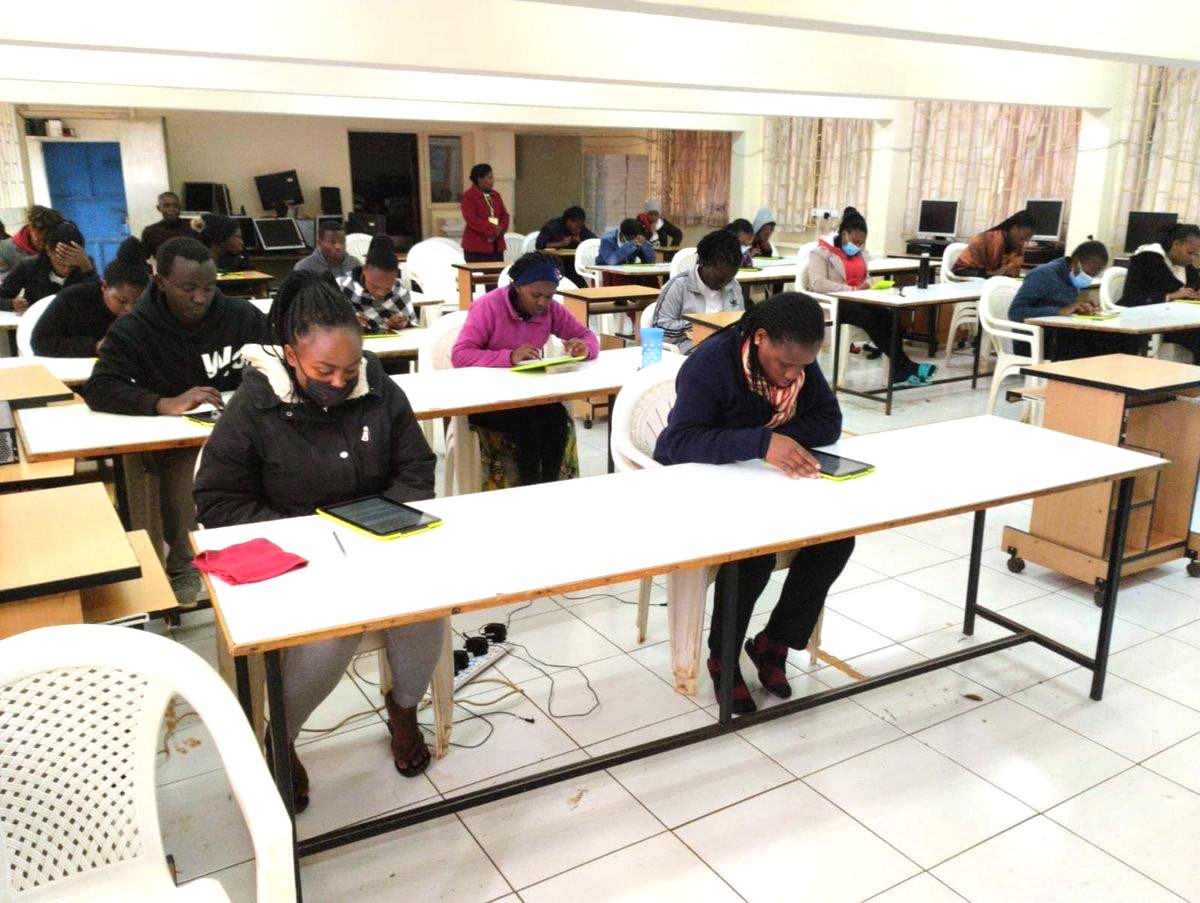
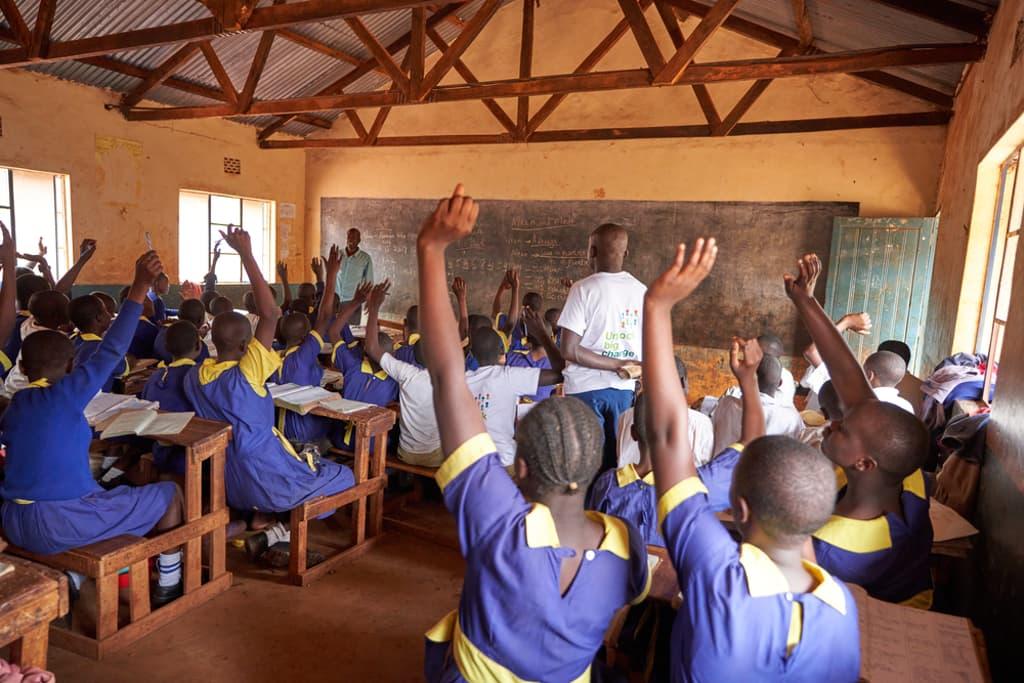
Kenya could be on the verge of one of the most far-reaching reforms of its basic education system, with a proposed law seeking to make it a criminal offence for public schools to charge Kenyan learners tuition fees.
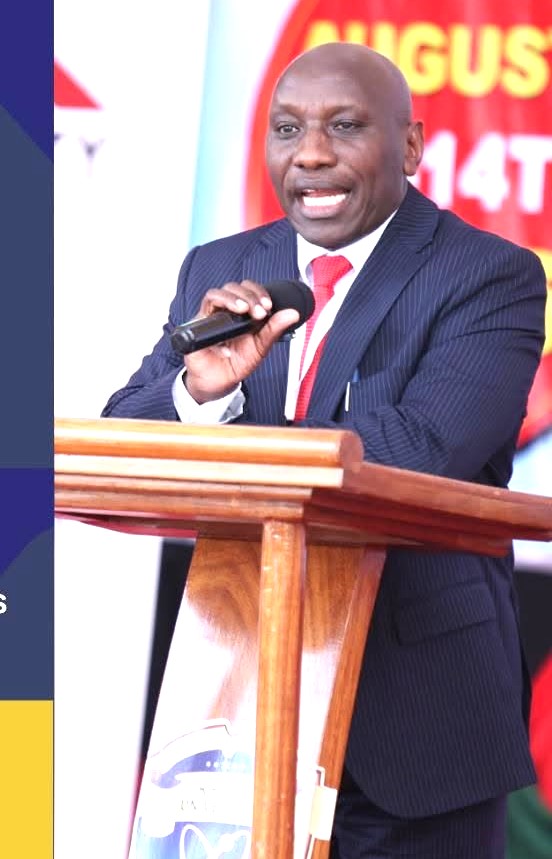
The Basic Education Bill, 2026, sponsored by National Assembly Majority Leader Kimani Ichung’wah, seeks to reinforce the constitutional principle that every child has a right to free and compulsory basic education.
If enacted, a public school that charges tuition fees to a Kenyan learner could face a fine of up to Sh1 million, imprisonment for a period of up to three years, or both.
The proposed legislation comes at a time when parents continue to raise concerns over the financial demands associated with educating children in public schools, including charges imposed under different descriptions.
Under the Bill, public schools would be prohibited from charging or compelling parents and guardians to pay tuition for Kenyan learners.
The proposed law, however, makes a distinction between Kenyan citizens and non-citizens, allowing tuition fees to be charged to learners who are not Kenyan citizens.
It further provides that public schools would not be permitted to impose other charges without approval from the Cabinet Secretary for Education.
This provision could significantly change the way schools handle additional financial requirements, placing greater responsibility on the national government to determine which charges are permissible and which are prohibited.
The Bill states that no child should be denied access to education because a parent or guardian has failed to pay an authorised charge. Where charges are legally collected, institutions would also be required to issue official receipts.
At the heart of the proposed legislation is the principle that poverty should never become a barrier to a child’s education.
Education as a legal right
The Bill seeks to strengthen the legal obligation of both the national and county governments to guarantee free and compulsory basic education.
It would also place a clear responsibility on parents and guardians to ensure that children are enrolled in school at the beginning of the academic year or within a prescribed period.
A parent or guardian who deliberately fails to enrol a child could face a fine of up to Sh100,000, imprisonment for up to two years, or both.
The proposed law would therefore establish a dual responsibility framework: the government would be required to facilitate access to basic education, while parents would be legally obligated to ensure school attendance.
The legislation would also prohibit schools from discriminating against learners on grounds including ethnicity, sex, religion, race, colour, social origin, age, disability, language or culture.
Public schools would be prohibited from denying admission solely on the basis that a child lacks proof of age. They would also be barred from administering admission tests as a condition for entry into basic education.
Where a school refuses admission, parents or guardians would have the right to challenge the decision before the County Education Board.
The Board would be required to determine admission disputes within 14 days, with further appeals available before the Education Appeals Tribunal.
The proposed framework would also address situations in which children are kept out of school due to employment, income-generating activities, religion, parental disputes or cultural practices.
A person found guilty of deliberately preventing a child from attending school could face a fine of up to Sh5 million, imprisonment for up to five years, or both.
The Bill further imposes an explicit obligation on parents to ensure that their children attend school regularly.
Parents who fail to ensure consistent attendance without reasonable cause could face a fine of up to Sh100,000 or imprisonment for up to one year.
School heads would also bear a legal responsibility to investigate unexplained absenteeism.
Where a learner repeatedly fails to attend school, the head of institution would be required to issue a written notice to the parent or guardian and report persistent cases to the County Education Board.
Failure to respond to such notices without reasonable justification could attract a fine of up to Sh200,000, imprisonment for up to two years, or both.
These provisions reflect a broader shift from treating school attendance as an administrative requirement to recognising access to education as a legal obligation shared by families, schools and government.
Another key element of the proposed legislation is the explicit prohibition of corporal punishment.
Learners would be protected from corporal punishment, torture and any form of cruel, inhuman or degrading treatment, whether physical or psychological.
Anyone who violates this provision could face a fine of up to Sh100,000, imprisonment for up to six months, or both.
The proposal reinforces a child protection approach to school discipline, requiring institutions to manage learners without resorting to physical or degrading punishment.
Education CS to get broader powers
The Bill would also grant the Cabinet Secretary for Education extensive regulatory authority over basic education.
These powers would include oversight of regulations on school discipline, admissions, governance, religious instruction, technology use, audits, teacher training and the management of basic education institutions.
The Cabinet Secretary would also oversee the national structure of basic education, register schools and approve foreign education systems operating in Kenya.
Operating an unregistered school would become a serious offence, attracting a fine of up to Sh20 million, imprisonment for up to three years, or both.
Beyond fees and school attendance, the proposed law seeks to restructure the institutional framework governing basic education.
It proposes County Education Boards with expanded responsibilities in the oversight and management of schools.
The Bill would also strengthen special needs education and establish the Kenya Institute of Special Education as a state corporation, potentially providing a stronger institutional foundation for inclusive education.
Other proposed reforms include enhanced school inspection systems, improved scholarship and bursary frameworks, and the creation of a central education data system.
Such a database could serve as a key tool for tracking learners, institutions, education financing and participation nationwide.
A major test for free education
If Parliament approves the Bill, the legislation could fundamentally redefine the relationship between parents, schools and the government.
For parents, the most immediate impact would be the proposed criminalisation of tuition charges in public schools.
For school administrators, the legislation could introduce stricter scrutiny of financial demands placed on families.
For the government, however, the reform would significantly increase the obligation to ensure that public schools receive adequate and timely funding to deliver quality education without shifting costs to parents.
This is likely to be one of the most critical tests of the proposed law.
A commitment to free education can only be effective if schools are sufficiently resourced to pay teachers, maintain infrastructure, provide learning materials, support learners with disabilities and meet other essential operational needs.
The proposed Bill therefore extends beyond the question of whether schools should charge tuition.
It raises a broader policy question on who should finance basic education and how Kenya can ensure that no child is excluded from schooling due to their family’s economic circumstances.
If enacted and properly funded, the proposed law could mark a significant step toward transforming free and compulsory basic education from a constitutional promise into an enforceable legal right supported by meaningful penalties.
READ ALSO: Why Kenya should preserve middle-level colleges instead of turning them into universities
For parents, schools and education administrators, the message is clear: the proposed framework would make access to basic education a right accompanied by significant legal responsibilities for all stakeholders.
By Hillary Muhalya
You can also follow our social media pages on Twitter: Education News KE and Facebook: Education News Newspaper for timely updates.
>>> Click here to stay up-to-date with trending regional stories
>>> Click here to read more informed opinions on the country’s education landscape
>> Click here to stay ahead with the latest national news.