- Kenya’s middle-level colleges play a critical role in developing practical and technical skills for the labour market.
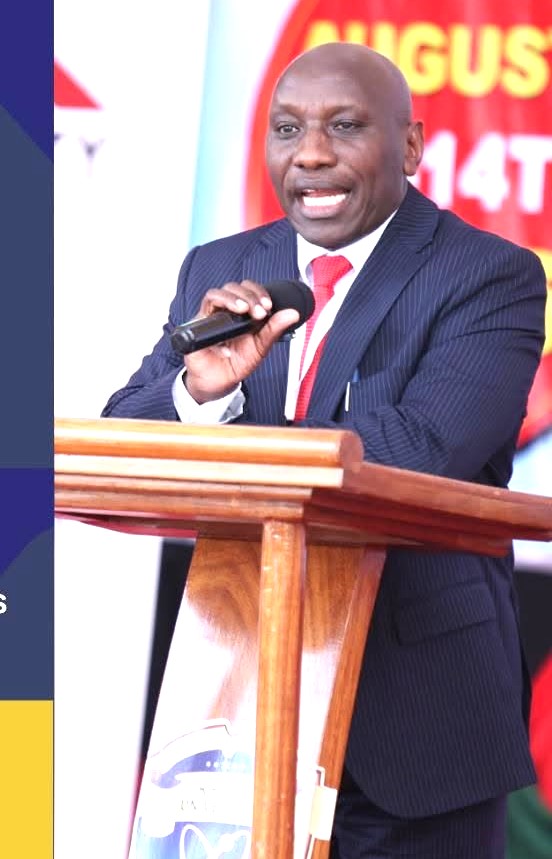
- Kaptich Tarus warns that converting more colleges into universities risks weakening this distinct training function.
- He calls for greater investment in technical institutions to support manufacturing, agriculture, technology and other productive sectors.
Kenya should reconsider the growing push to convert middle-level colleges into universities. While university education is important, the country also needs strong institutions dedicated to technical, vocational and practical skills training.
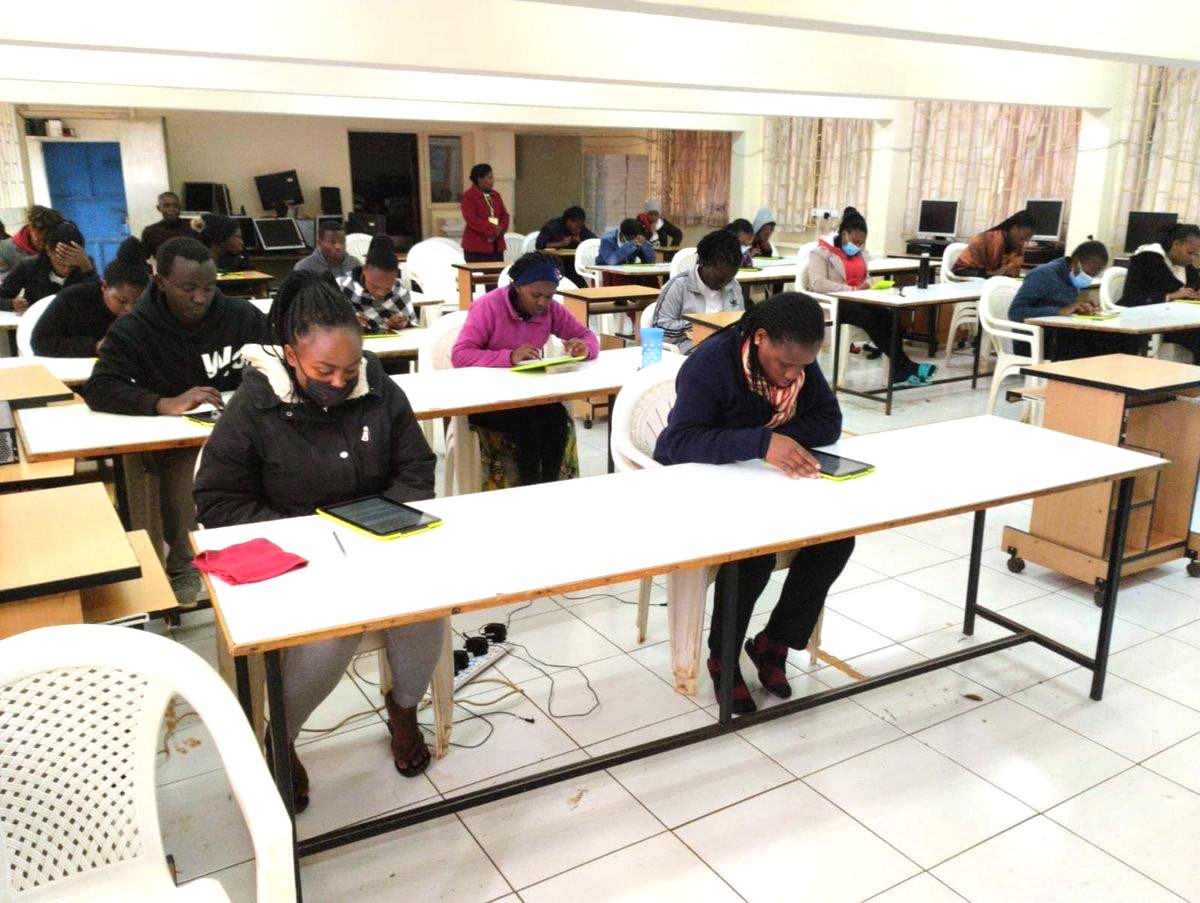
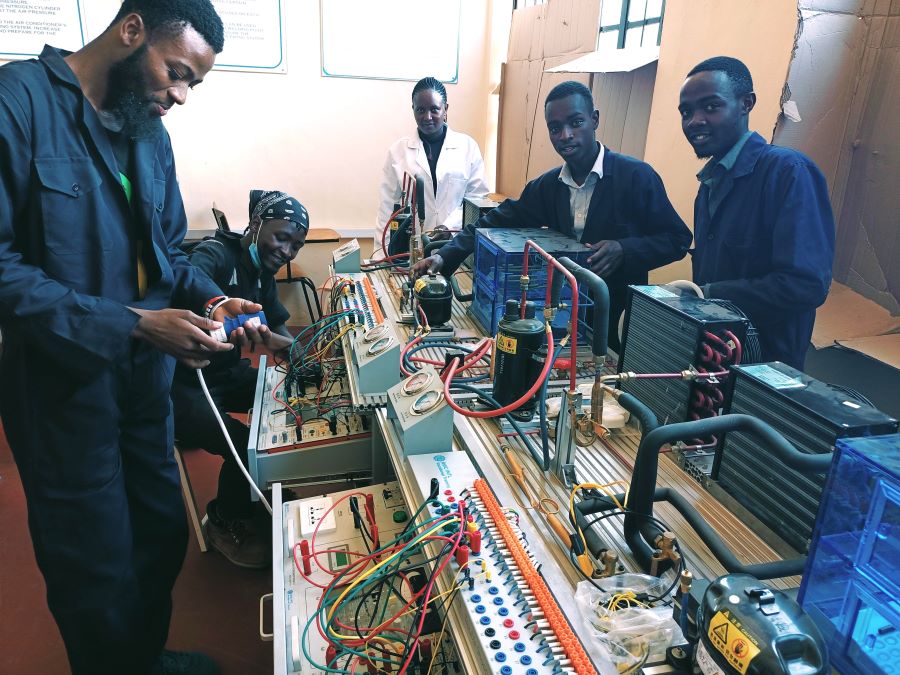
Middle-level colleges play a unique role in preparing young people for the labour market. They offer programmes that can equip students with practical skills in areas such as engineering, agriculture, hospitality, ICT, health-related fields and other technical occupations.
Turning such institutions into universities risks weakening this important role.
The country already faces concerns about graduate unemployment and the mismatch between academic qualifications and available employment opportunities. Converting more colleges into universities could increase the number of degree holders without necessarily creating enough opportunities for them.
What Kenya urgently needs is a workforce with diverse skills—technicians, artisans, craftsmen, technologists and other professionals who can support manufacturing, construction, agriculture, ICT and other productive sectors.
Middle-level institutions are well positioned to provide this training.
Technical and vocational education should not be treated as an inferior alternative to university education. A well-trained technician or artisan can be just as valuable to the economy as a university graduate.
Countries with strong industrial economies have invested heavily in technical and vocational education because they understand that economic development requires both academic professionals and highly skilled technical workers.
Kenya should therefore strengthen its middle-level colleges instead of gradually eliminating their distinct identity through university conversion.
Give students more choices
Not every student needs to pursue a university degree immediately after secondary school.
Some young people may prefer practical training that allows them to acquire employable skills within a shorter period and enter the labour market or establish their own businesses.
Strong middle-level colleges give students that option.
They can also provide pathways through which students who later wish to pursue higher education can progress to university.
Instead of converting middle-level colleges into universities, the government should invest in their infrastructure, modern equipment, laboratories, workshops and teaching staff.
The institutions should be aligned with emerging areas such as renewable energy, automation, artificial intelligence, digital technology, advanced manufacturing and modern agriculture.
Such investment would make middle-level colleges more attractive and responsive to the needs of the economy.
A balanced education system
Kenya does not need every institution to become a university. It needs an education system in which universities, technical institutions, colleges and vocational training centres complement one another.
Universities should concentrate on higher-level academic, professional and research training, while middle-level institutions should continue developing practical and technical competencies.
The real measure of educational progress should not be the number of universities a country has, but whether its education system produces the skills needed to drive economic growth.
Kenya should therefore preserve and strengthen its middle-level colleges rather than converting them into universities simply for the sake of expanding university education.
READ ALSO: Kiswahili must move beyond conferences to drive Africa’s knowledge economy
The country needs more skilled hands, innovative minds and competent technicians—not merely more degree certificates.
By Kaptich Tarus
You can also follow our social media pages on Twitter: Education News KE and Facebook: Education News Newspaper for timely updates.
>>> Click here to stay up-to-date with trending regional stories
>>> Click here to read more informed opinions on the country’s education landscape
>> Click here to stay ahead with the latest national news.