- President William Ruto’s Kilgoris rural home comes alive with song, dance and traditional celebrations.
- Charlene Ruto and Isaya Yunge’s union brings together families, cultures and guests from Kenya and Tanzania.
- Traditional food, music, blessings and colourful performances mark a celebration deeply rooted in African culture.
All roads on Saturday headed to Kilgoris. Not to State House, not to a political rally, but to President William Ruto’s Ntona rural home in Kilgoris, where dust turned to song and homesteads turned into a hall of celebration.
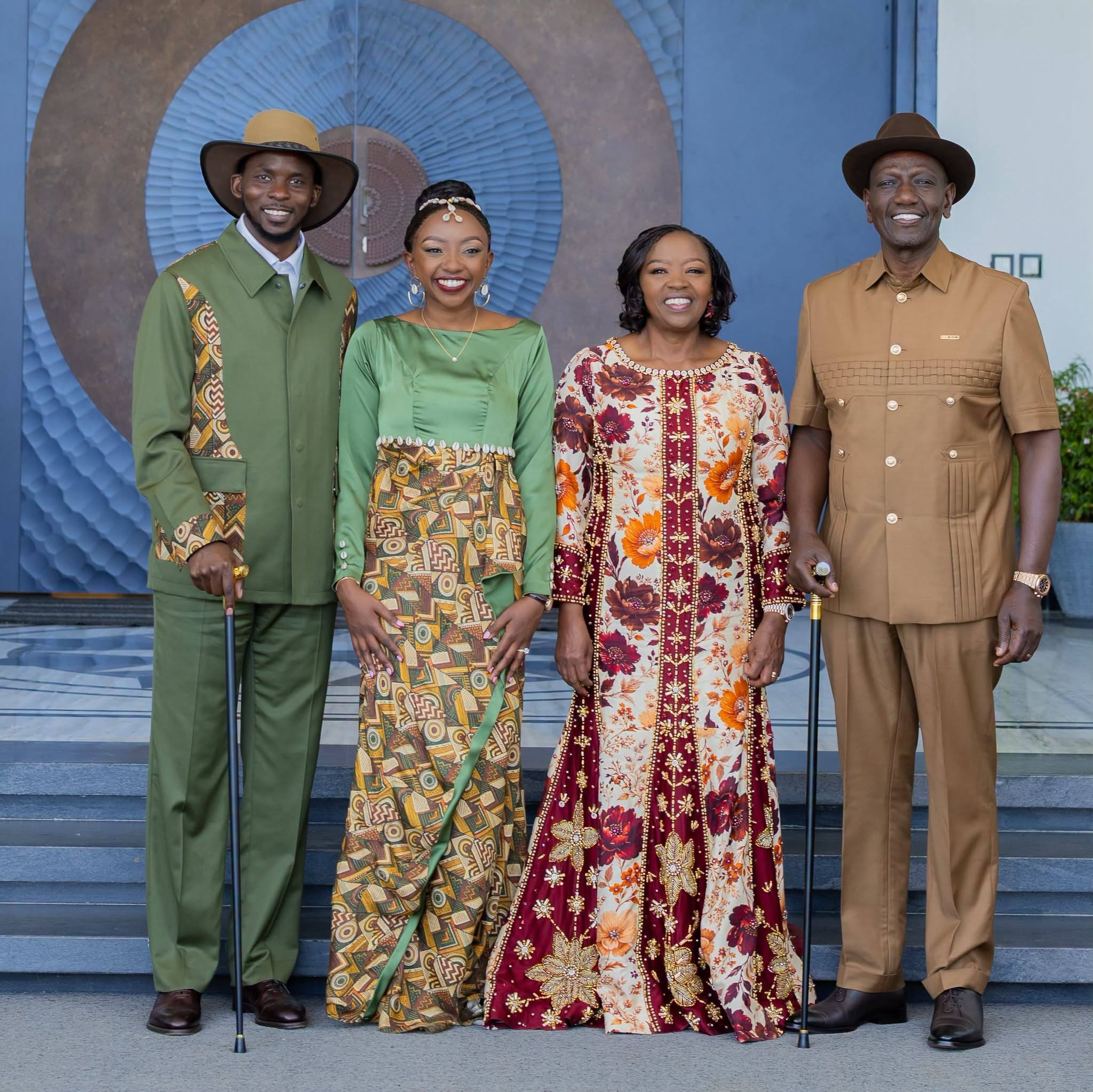
The occasion was not politics. It was family. It was love. It was the traditional wedding of Charlene Ruto and Isaya Yunge, her pride from Tanzania — a union that brought together two nations, two cultures and one joyful family.
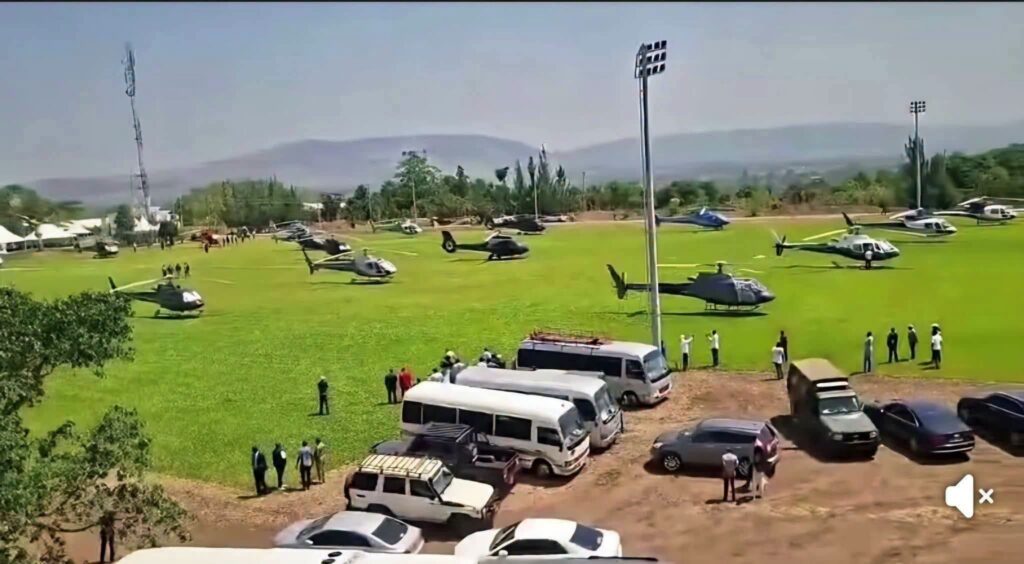
From Nairobi to Narok, from Arusha to Eldoret, cars snaked into Kilgoris from dawn. Elders in full regalia walked beside youth in suits. Women carried baskets of ugali flour on their heads while boda boda riders ferried crates of soda and jerricans of milk.
By mid-morning, the Ruto homestead was full. Laughter was louder than the generators.
President William Ruto stood at the gate to receive guests himself. He was not in a suit, but in a simple checked shirt and a warm smile that met everyone.
Former President Uhuru Kenyatta arrived shortly after, and the two men embraced under the shade of a big acacia tree. For once, the cameras were not chasing policy. They were chasing joy.
Also present among the many dignitaries were Deputy President Prof. Kithure Kindiki, Prime Cabinet Secretary Musalia Mudavadi, Interior Cabinet Secretary Onesmus Kipchumba Murkomen, Health Cabinet Secretary Aden Duale and Oburu Odinga.
Murkomen was seen dancing with elders and later helping serve tea. Oburu danced with mirth, blending Dholuo, Maa and Kalenjin rhythms in a way that brought the whole tent to its feet.
Culture takes centre stage
The ceremony was traditional to the core.
There were praise songs that ranged from love for education and respect for parents to the role of the girl child as a bridge to the outside world.
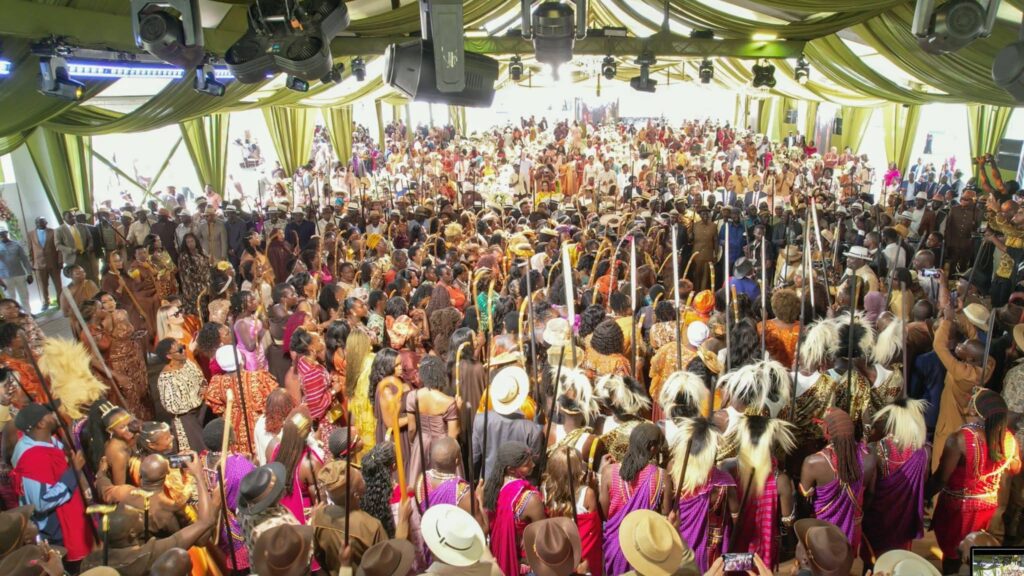
Women danced amid ululations that echoed across the compound. Women from the Kalenjin community performed traditional dances, while Maasai elders from Kilgoris and guests from Tanzania blessed the couple with milk poured from gourds as a sign of purity and prosperity.
Long tables were set under tents.
There was nyama choma roasting over open fires, pilau in big sufurias, chapati, kienyeji chicken and mursik served in traditional gourds.
Children ran around with meat in one hand and soda in the other. The smell of roast meat mixed with the scent of rain on dry earth.
President Ruto laughed, loudly and often.
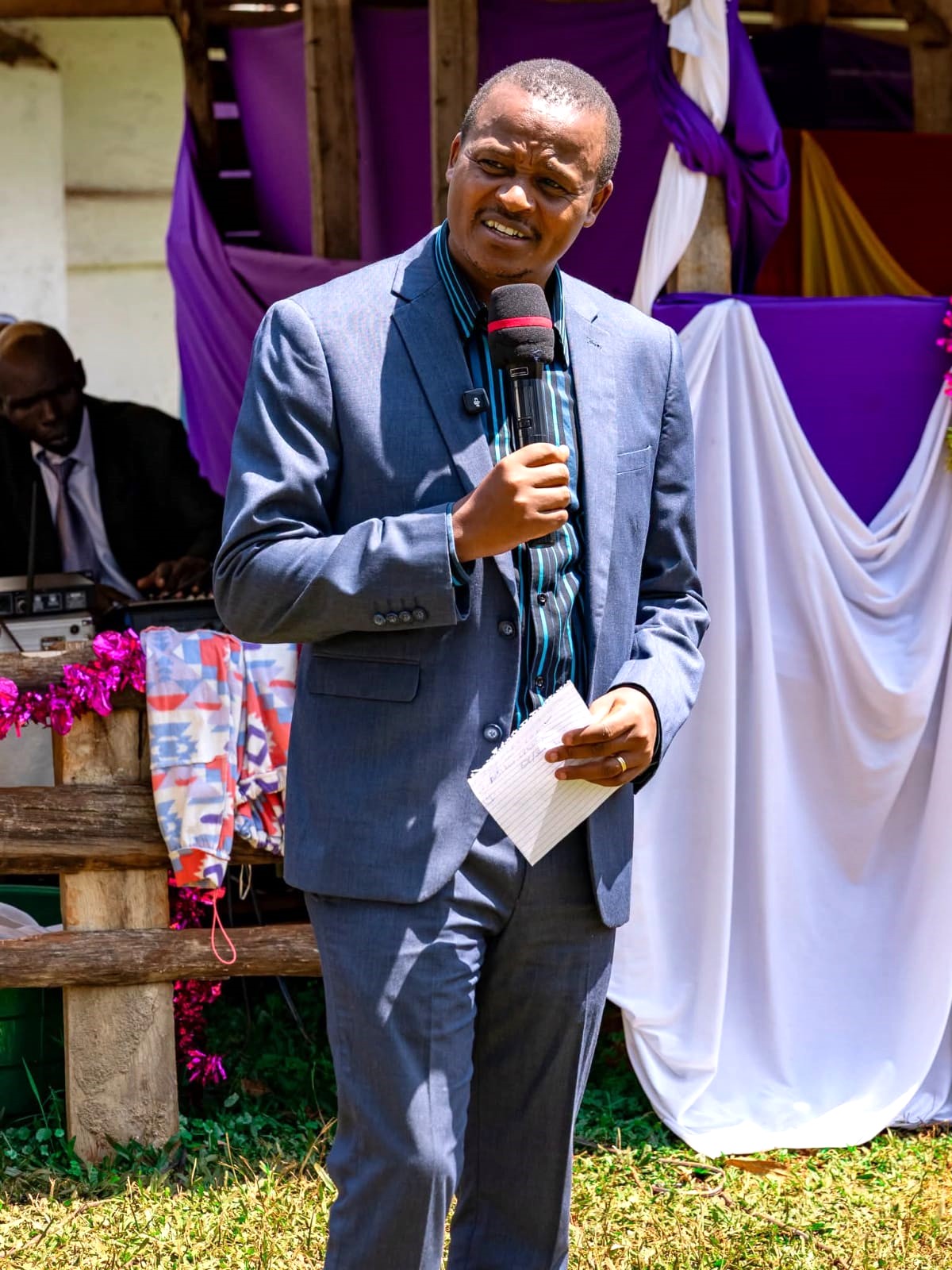
At one point, he took the microphone and told the crowd: “Today we are not discussing bills. Today we are discussing blessings.”
The crowd roared.
Former President Kenyatta smiled, nodded and, at times, was seen quietly singing along to praise songs about daughters who honour their homes.
A celebration of family and community
Speakers took turns to remind the young couple of their responsibilities.
“A girl child is a bridge,” one elder said in Maa and Swahili. “She carries her father’s name to another home and brings another home back to her father.”
All these were a testimony to an African culture that regards the child, especially the girl child, as belonging to the wider community, not only to her parents.
There were prayers, there were tears, and there was dancing until the dust rose like smoke.
As evening fell, the sky over Kilgoris turned orange.
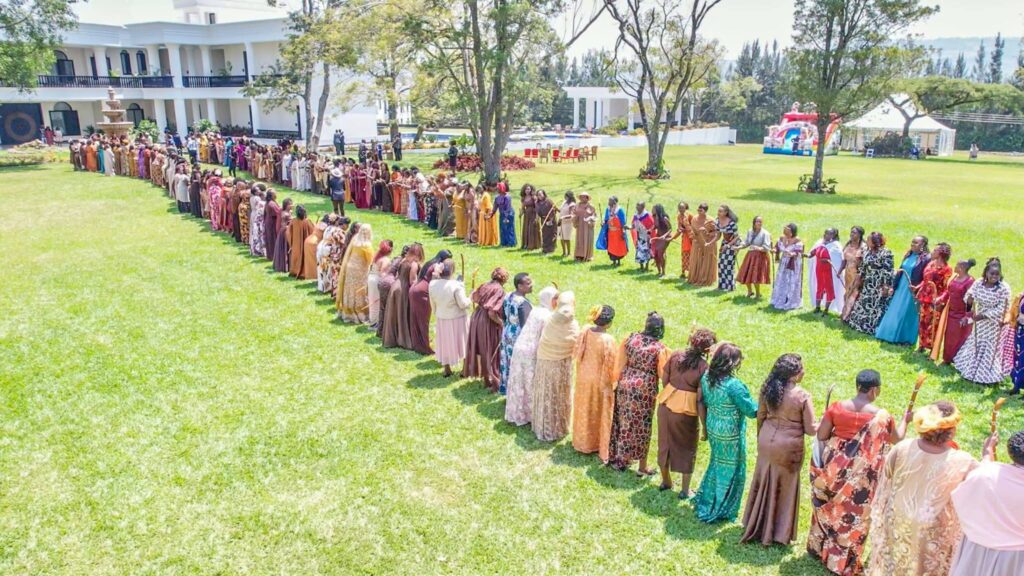
It felt as if all the earth and heaven had agreed to attend.
The cattle in the boma were quiet. The drums were loud.
And in the middle of it all, Charlene and Isaya Yunge were blessed — not with politics, but with song, milk, meat and the wishes of two nations.
Kilgoris will talk about this day for a long time.
Not because a president hosted, but because a father did.
By Enock Okong’o
You can also follow our social media pages on Twitter: Education News KE and Facebook: Education News Newspaper for timely updates.
>>> Click here to stay up-to-date with trending regional stories
>>> Click here to read more informed opinions on the country’s education landscape