- The government is considering a universal funding model that could reshape how Kenyan university students receive financial support.
- Under the proposed approach, support would follow students regardless of whether they attend public or private universities.
- Hillary Muhalya examines the opportunities, financial questions and equity concerns surrounding the proposed higher education reforms.
Kenya’s higher education financing landscape could be heading for a historic transformation after the government announced plans to rethink how university students receive financial support.
The proposed reforms could see every university student benefit from government funding regardless of whether they choose to study in a public or private institution, marking a significant departure from the current financing approach.
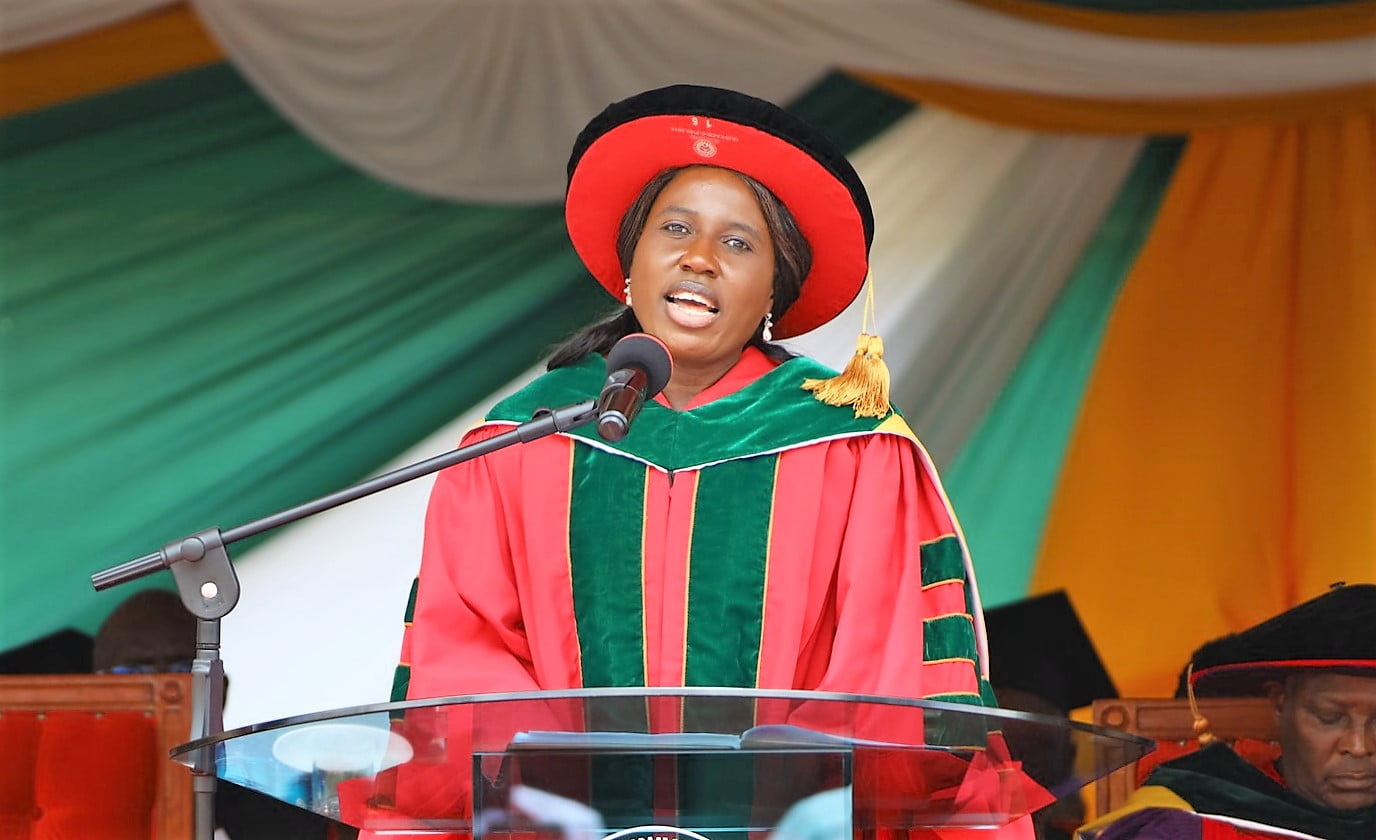
Education Principal Secretary Dr Beatrice Inyangala has disclosed that the government is reviewing the existing student-centred funding model with the aim of developing a more inclusive and learner-focused framework that places the student at the heart of higher education financing.
Under the proposed Universal Funding model, financial support would follow the learner rather than the institution. This means that a student’s eligibility for government assistance would not be determined by whether they attend a public university or a private university, but by their status as a Kenyan learner pursuing higher education.
The proposed shift is anchored on the principle that access to university education should not be limited by institutional choices or financial barriers. The government argues that every qualified student deserves an opportunity to pursue higher education in an institution that best suits their academic ambitions, career goals and personal circumstances.
Dr Inyangala noted that the reforms are intended to promote fairness, widen access and strengthen equity within Kenya’s university education system.
From student-centred to universal funding
The proposed changes come barely three years after Kenya introduced the Student-Centred Funding Model in 2023, replacing the previous institution-based financing system.
The current model was designed to direct government support to students based on their assessed financial needs. Learners are placed in different categories according to their economic circumstances, with funding provided through a combination of scholarships, government loans and family contributions.
The objective was to ensure that students from vulnerable backgrounds received greater assistance while creating a more transparent and targeted financing system.
However, the model has faced criticism from different quarters, with some students and education stakeholders raising concerns over categorisation, affordability and challenges in accessing adequate financial support.
The proposed universal approach is therefore being presented as a possible solution to some of these challenges by simplifying the funding process and ensuring that no learner is excluded because of the institution they attend.
If implemented, the new framework could significantly change the relationship between students, universities and government financing.
Supporters believe that a learner-based funding system would empower students with greater freedom of choice. Instead of selecting universities based purely on affordability, learners would have an opportunity to consider academic programmes, institutional quality and career prospects.
The reforms could also create a more competitive higher education environment, forcing universities to improve their academic standards, facilities and student support services as they compete for learners.
Questions over sustainability and equity
However, the proposal has triggered debate over its long-term financial implications.
Kenya’s higher education sector is already facing serious financial challenges, including rising student numbers, increased operational costs and mounting debts among public universities.
Critics argue that supporting every university student would require substantial government resources and could stretch the education budget unless accompanied by a clear and sustainable financing strategy.
Questions have also emerged on whether universal funding should give equal support to all learners or whether special consideration should remain for students from disadvantaged backgrounds who face greater financial barriers.
Education experts have emphasised the need for a balanced approach that expands access while protecting the sustainability of the higher education sector.
The government’s review comes at a critical moment when Kenya is experiencing growing demand for university education and increased pressure to produce graduates equipped with skills relevant to the changing economy.
The debate on university funding has increasingly shifted from simply increasing enrolment numbers to ensuring that every learner can access quality education without being pushed into financial hardship.
The proposed Universal Funding model represents a bold attempt to redefine how Kenya finances higher education. If successfully implemented, it could transform university education by making funding more predictable, inclusive and centred on the needs of learners.
However, its success will depend on the government’s ability to mobilise adequate resources, establish transparent guidelines and maintain a sustainable balance between access, quality and affordability.
READ ALSO: Egerton University faces leadership crossroads as UASU, students differ over Kibwage tenure
As consultations continue, the country awaits to see whether this proposed funding revolution will become the solution to Kenya’s long-standing higher education financing challenges.
By Hillary Muhalya
You can also follow our social media pages on Twitter: Education News KE and Facebook: Education News Newspaper for timely updates.
>>> Click here to stay up-to-date with trending regional stories
>>> Click here to read more informed opinions on the country’s education landscape
>>> Click here to stay ahead with the latest national news.