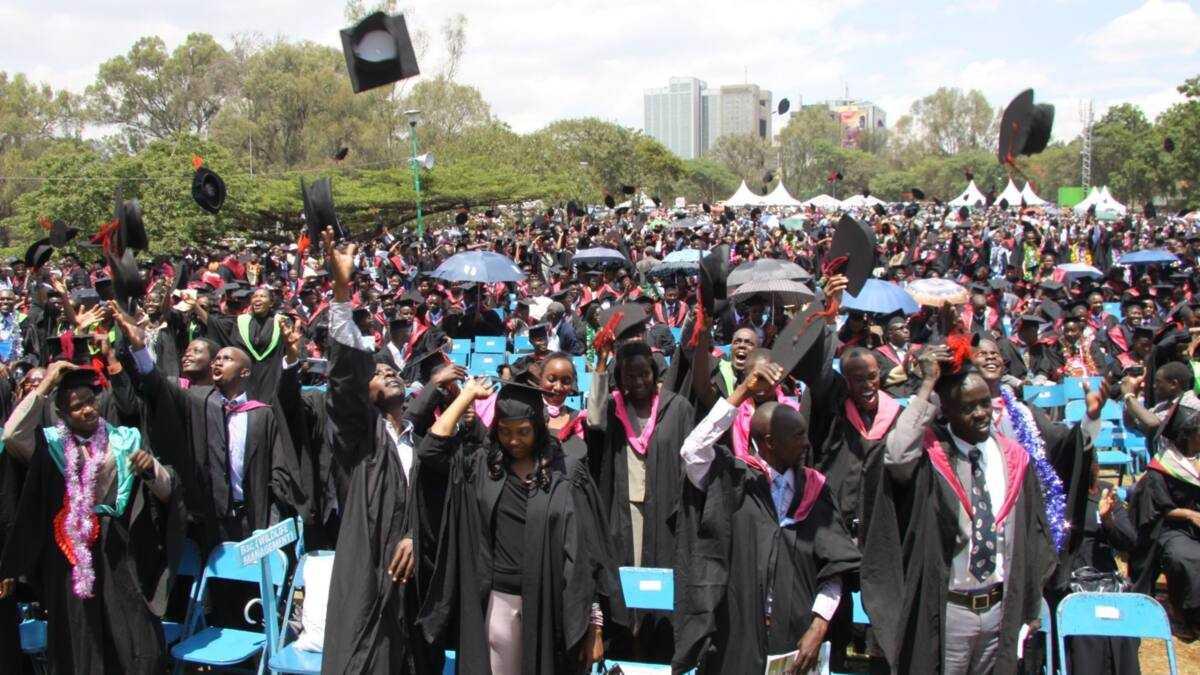
- Graduation marks the beginning of a new journey, but it also ushers graduates into an increasingly competitive labour market.
- While they bring fresh knowledge, digital skills and enthusiasm, many face challenges such as limited experience and unemployment.
- The article examines graduates’ fears, expectations, strengths and the steps needed to bridge the gap between education and employment.
Graduation is widely regarded as a gateway to a brighter future. It signifies the culmination of years of dedication, discipline and academic achievement. Families celebrate, institutions confer degrees with pride, and graduates step forward with aspirations of making meaningful contributions to society. However, beyond the ceremonial gowns and celebrations lies a complex and highly competitive world marked by both opportunity and uncertainty.
Each year, thousands of university and college graduates enter the labour market equipped with knowledge, ambition and optimism. They bring fresh perspectives, technological proficiency and a strong desire to contribute meaningfully. Nevertheless, they also encounter challenges that test their resilience, adaptability and preparedness for professional life.
For many graduates, excitement is often accompanied by anxiety. A primary concern is unemployment, particularly in economies where job opportunities are limited compared to the number of qualified applicants. Many fear that despite years of academic effort, they may spend extended periods searching for suitable employment.
Another significant challenge is the expectation of prior experience. Employers frequently seek candidates with practical experience, yet graduates often have limited exposure to real-world work environments. This creates a persistent dilemma in which experience is required to secure employment, while employment is needed to gain experience.
Graduates also express concerns about meeting workplace expectations. These include adapting to professional environments, avoiding errors, managing supervisory relationships and demonstrating competence under pressure. Additionally, financial obligations such as student loans, family responsibilities and societal expectations further intensify these anxieties.
Their expectations and strengths
Despite these concerns, graduates enter the workforce with a strong sense of optimism. They anticipate opportunities to apply the knowledge and skills acquired during their academic training. They also expect fair compensation, conducive working conditions and employers who recognise and reward talent, integrity and innovation.
Many graduates look forward to mentorship from experienced professionals who can guide their early career development. They value workplaces that foster learning, creativity, collaboration and continuous professional growth.
Above all, they aspire to build meaningful careers with clear pathways for advancement, leadership opportunities and a sustainable work-life balance.
New graduates possess significant potential. Having recently completed their studies, they are equipped with up-to-date knowledge, contemporary research skills and familiarity with emerging technologies. They are generally digitally competent, adaptable and quick to acquire new skills.
Their creativity and fresh perspectives often enable them to propose innovative solutions to existing challenges. Many have also developed strong analytical, communication and teamwork abilities through academic projects, research work and internships.
In addition, they bring enthusiasm, energy and a strong commitment to personal and professional growth. Their openness to change and willingness to learn make them valuable contributors in today’s dynamic and evolving workplace.
The limitations they must overcome
However, academic qualifications alone do not guarantee full workplace readiness. Many graduates still face challenges related to limited practical experience and insufficient exposure to professional environments.
Some struggle to translate theoretical knowledge into practical application. Others lack confidence in essential soft skills such as communication, leadership, negotiation and conflict resolution—competencies that are highly valued in modern workplaces.
Furthermore, limited professional networks can restrict access to job opportunities and career guidance. In some cases, academic programmes may not fully align with evolving industry demands, resulting in a mismatch between graduate competencies and labour market requirements.
READ ALSO: Kakamega School clinch 13th KSSSA national football title after eight-year wait
Bridging the gap between education and employment requires a collaborative approach. Universities and colleges must strengthen experiential learning through internships, practical training and industry partnerships. Employers should invest in structured graduate trainee programmes and mentorship initiatives to support early career development. Governments, on the other hand, must continue fostering an enabling environment that promotes job creation, entrepreneurship and innovation.
Graduates themselves must commit to lifelong learning, continuously upgrading their skills, remaining adaptable and viewing every opportunity as a stepping stone towards long-term career success.
Ultimately, the future belongs not only to those with academic qualifications but also to those who demonstrate resilience, creativity, professionalism and a commitment to continuous improvement. With adequate support and determination, today’s graduates can transform uncertainty into opportunity and emerge as the innovators, leaders and professionals who will shape the future of society.
By Hillary Muhalya
You can also follow our social media pages on Twitter: Education News KE and Facebook: Education News Newspaper for timely updates.
>>> Click here to stay up-to-date with trending regional stories
>>> Click here to read more informed opinions on the country’s education landscape
>>> Click here to stay ahead with the latest national news.