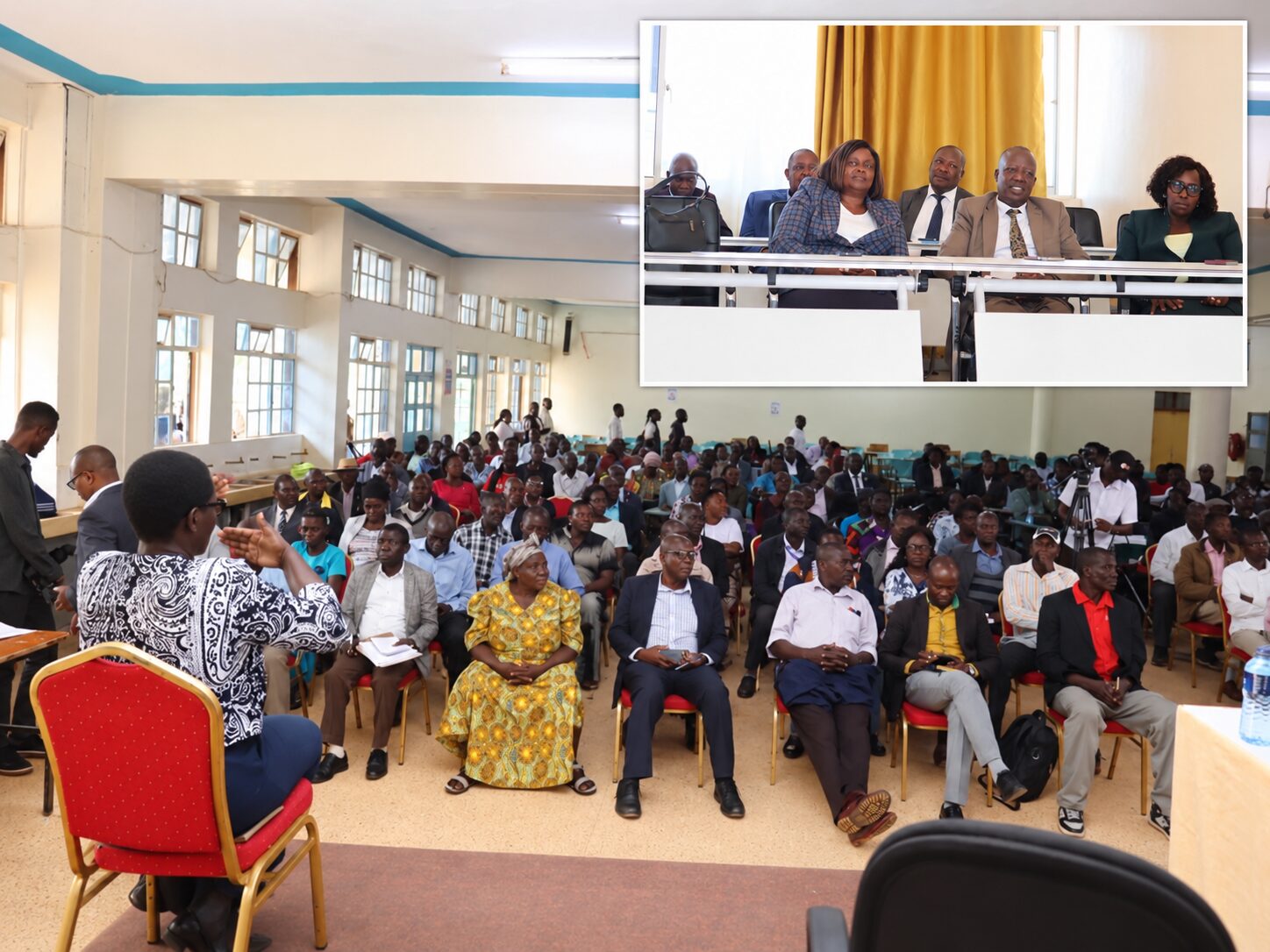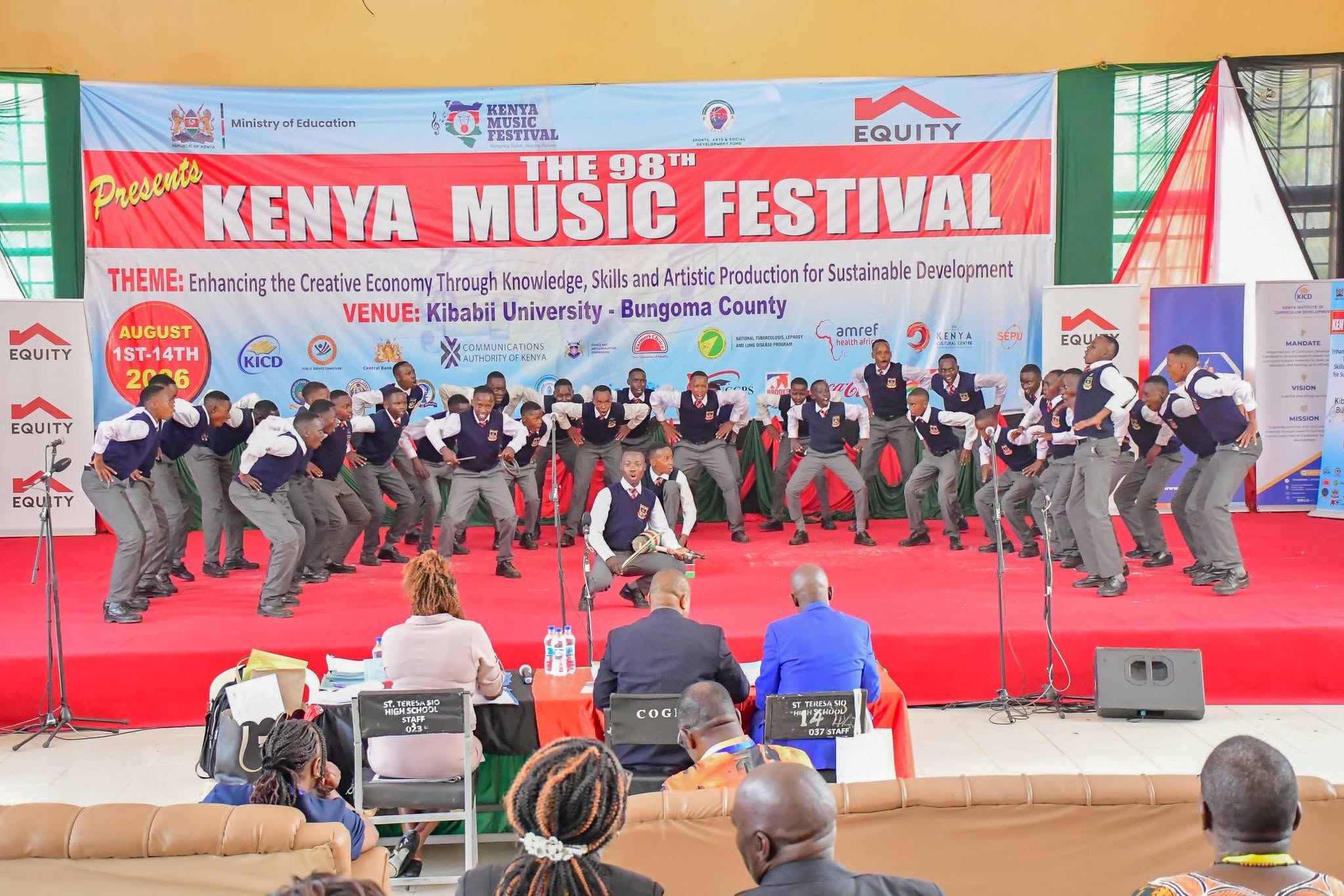
- The Kenya Music Festival has evolved into one of the country’s most important platforms for nurturing talent, promoting cultural heritage and advancing the Competency-Based Curriculum.
- Beyond competition, the festival equips learners with life skills, strengthens national unity and offers untapped opportunities for Kenya’s creative economy.
Every second term of the school calendar, an unmistakable wave of energy surges through Kenyan educational institutions. As classrooms give way to ball games, indoor sports and the prestigious Kenya Music Festival, campuses transform into vibrant hubs showcasing talent development far beyond the classroom. For hundreds of schools across the country, participating in the festival is not merely a routine calendar fixture; it is a revered institutional tradition eagerly anticipated by learners, teachers and communities alike. It marks a season of rigorous discipline, artistic expression, teamwork and the holistic celebration of youth potential.
The Competency-Based Curriculum (CBC) has rightly re-engineered our educational priorities by elevating music and the creative arts into a core pillar of talent development. This shift serves as a bold affirmation that true education extends well beyond the narrow confines of national examinations, focusing instead on discovering and nurturing the unique gifts of every child. This progressive philosophy aligns perfectly with the ancient Greek philosopher Plato, who beautifully observed:
“Music gives a soul to the universe, wings to the mind, flight to the imagination and life to everything.”
His timeless insight reminds us that music is never just passive entertainment; it is a powerful instrument for cognitive development, character formation and nation-building.
At its core, participation in the festival instils foundational values of accountability, commitment and psychological resilience. Learners dedicate long weeks and months to rigorous rehearsals, discovering firsthand that artistic excellence is built through patience, consistency and cooperation. Every successful stage performance serves as a masterclass in collective sacrifice, validating the old adage that practice makes perfect.
Furthermore, music provides a constructive outlet for youthful energy at a time when many adolescents face vulnerabilities such as substance abuse, negative peer pressure and digital media dependency. By channelling their emotions into creative expression, learners build self-confidence and discover healthy avenues for authentic self-expression.
Beyond artistic growth, the festival serves as a practical laboratory for leadership and essential life skills. On the festival stage, learners naturally cultivate emotional intelligence, effective communication and the ability to manage performance anxiety under pressure. They learn to accept constructive criticism from adjudicators, handle competitive losses with dignity and celebrate victories with humility—competencies that will serve them long after they leave school.
Perhaps the festival’s most profound societal contribution, however, is its ability to foster national cohesion. In a country enriched by diverse ethnic heritages, the festival enables learners to perform folk songs, traditional dances and choral verses from communities different from their own. By embracing another culture’s artistic expressions, learners break down historical prejudices, celebrate shared cultural heritage and internalise the beauty of being one united nation composed of many distinct identities. This powerfully illustrates the African proverb:
“A community that sings together stays together.”
Unlocking the creative economy
Beyond its educational benefits, the Kenya Music Festival possesses immense, largely untapped economic potential. Globally, well-organised cultural festivals serve as major drivers of tourism, employment creation and growth in the hospitality industry. Kenya’s rich artistic heritage can similarly be leveraged as a pillar of cultural tourism. By professionally packaging school performances, the country can market its heritage to international audiences while simultaneously injecting capital into the local creative economy.
History already demonstrates that school stages are the birthplace of national icons. Celebrated Kenyan musicians such as Suzanna Owiyo, Mercy Masika and Guardian Angel all trace the beginnings of their artistic journeys to school choirs and music festivals. Today’s student performers are tomorrow’s composers, conductors, instrumentalists and creative directors.
The Ministry of Education deserves commendation for sustaining the festival as a premier co-curricular programme. Similarly, the Teachers Service Commission (TSC) should be recognised for rewarding outstanding trainers through career progression and promotions. Recognising these trainers sends a powerful message that nurturing talent is just as professionally valuable as delivering academic excellence. Behind every outstanding performance stands a dedicated network of teachers who willingly sacrifice evenings, weekends and holidays to mentor and inspire their learners.
Archiving our heritage for the future
However, this impactful journey should not end with the awarding of trophies, certificates or the traditional State House Gala performance. It is time for Kenya to think strategically beyond the festival itself.
The Ministry of Education should establish a centralised national digital archive to professionally record, preserve and showcase the finest compositions, dances and original scripts presented each year. These archives could be distributed through national television, educational platforms and global digital streaming services. Furthermore, outstanding ensembles should be incorporated into national celebrations, international tourism expos and global cultural conferences, giving young artists the international exposure they deserve.
This deliberate investment in music is reinforced by enduring spiritual wisdom. Psalm 150:6 calls upon everything that has breath to praise the Lord, while Colossians 3:16 encourages believers to teach and admonish one another through psalms, hymns and spiritual songs. These passages remind us that music is a gift that educates, heals, inspires and unites humanity.
As Kenya advances the implementation of the CBC, the Kenya Music Festival should be embraced not merely as an annual competition but as a strategic national investment in culture, peace, education and economic development. It moulds disciplined citizens, strengthens national unity and preserves our cultural heritage.
An old African proverb says that a bird does not sing because it has an answer; it sings because it has a song. Every learner who steps onto the festival stage carries both a song and a dream waiting to be nurtured.
READ ALSO: Machakos Primary, JSS strike gold at national music festivals to qualify for State Gala
The true measure of the festival’s success lies not in the trophies awarded but in the lives transformed, the talents rescued from obscurity and the future leaders inspired. By investing in music today, Kenya is composing a more united, creative and prosperous nation for tomorrow.
Astiba Kebongo
You can also follow our social media pages on Twitter: Education News KE and Facebook: Education News Newspaper for timely updates.
>>> Click here to stay up-to-date with trending regional stories
>>> Click here to read more informed opinions on the country’s education landscape