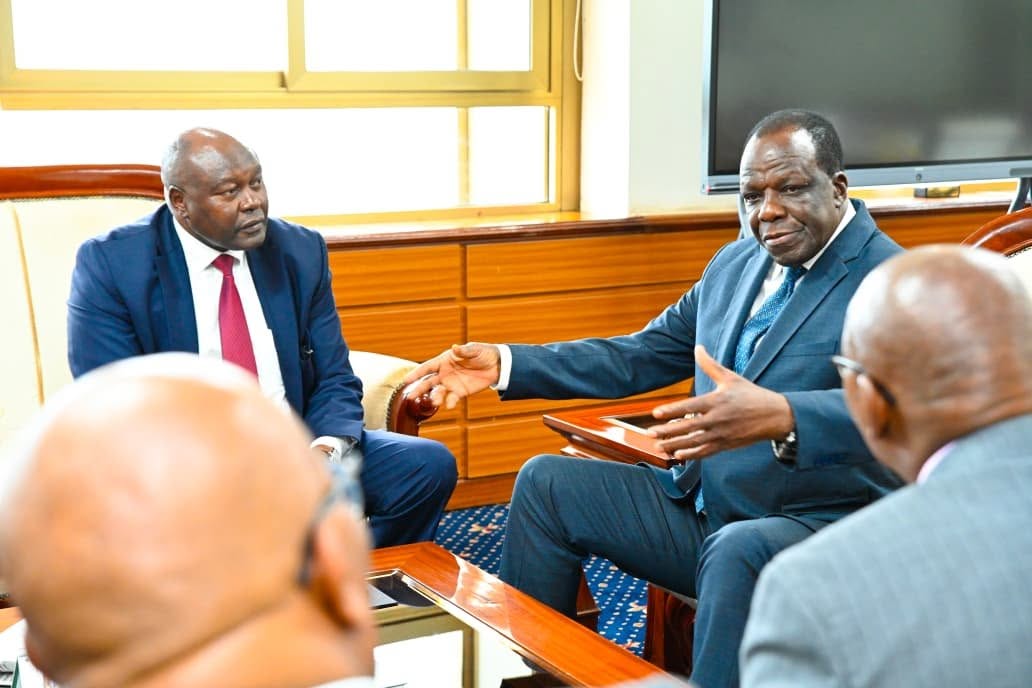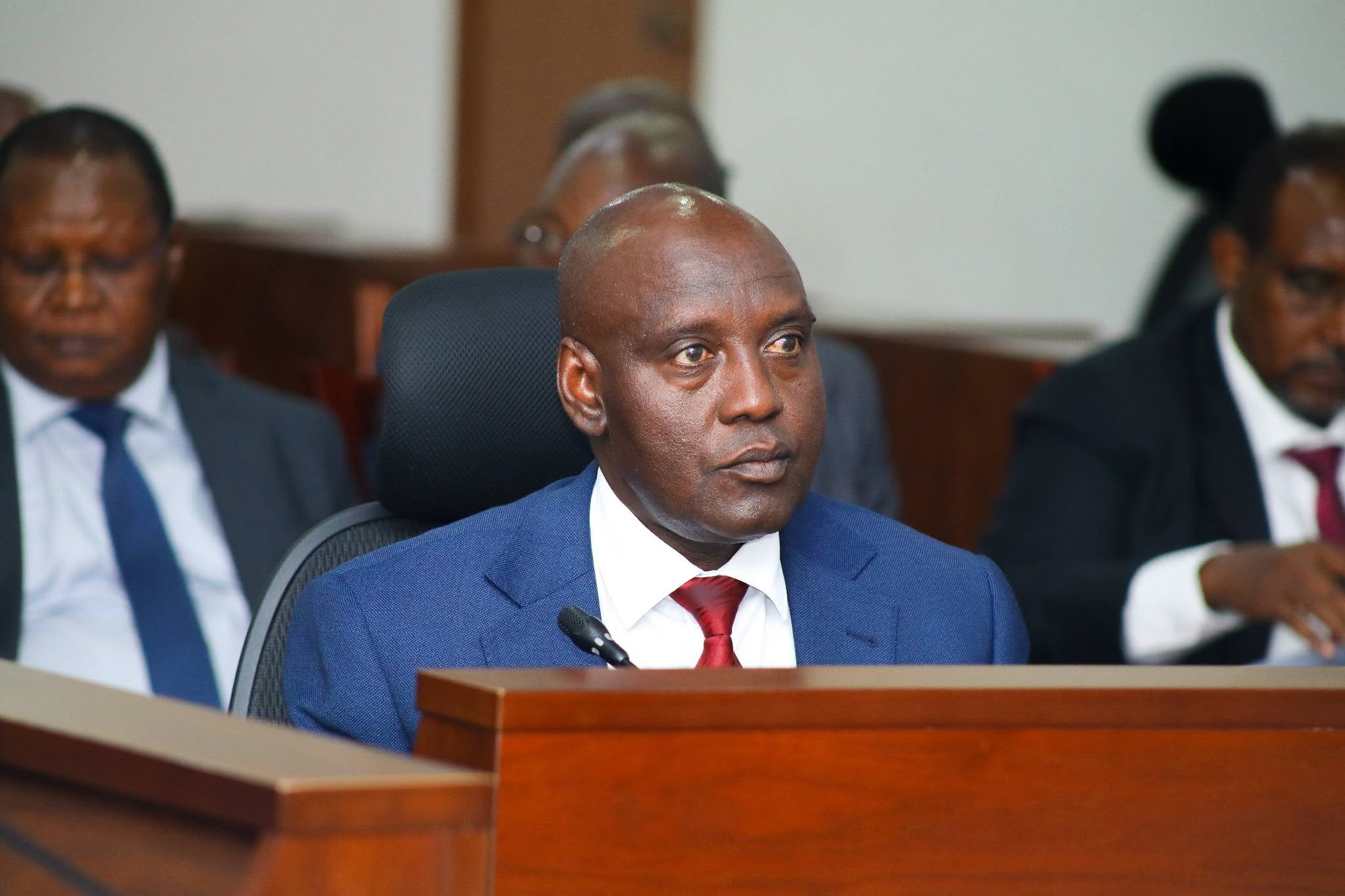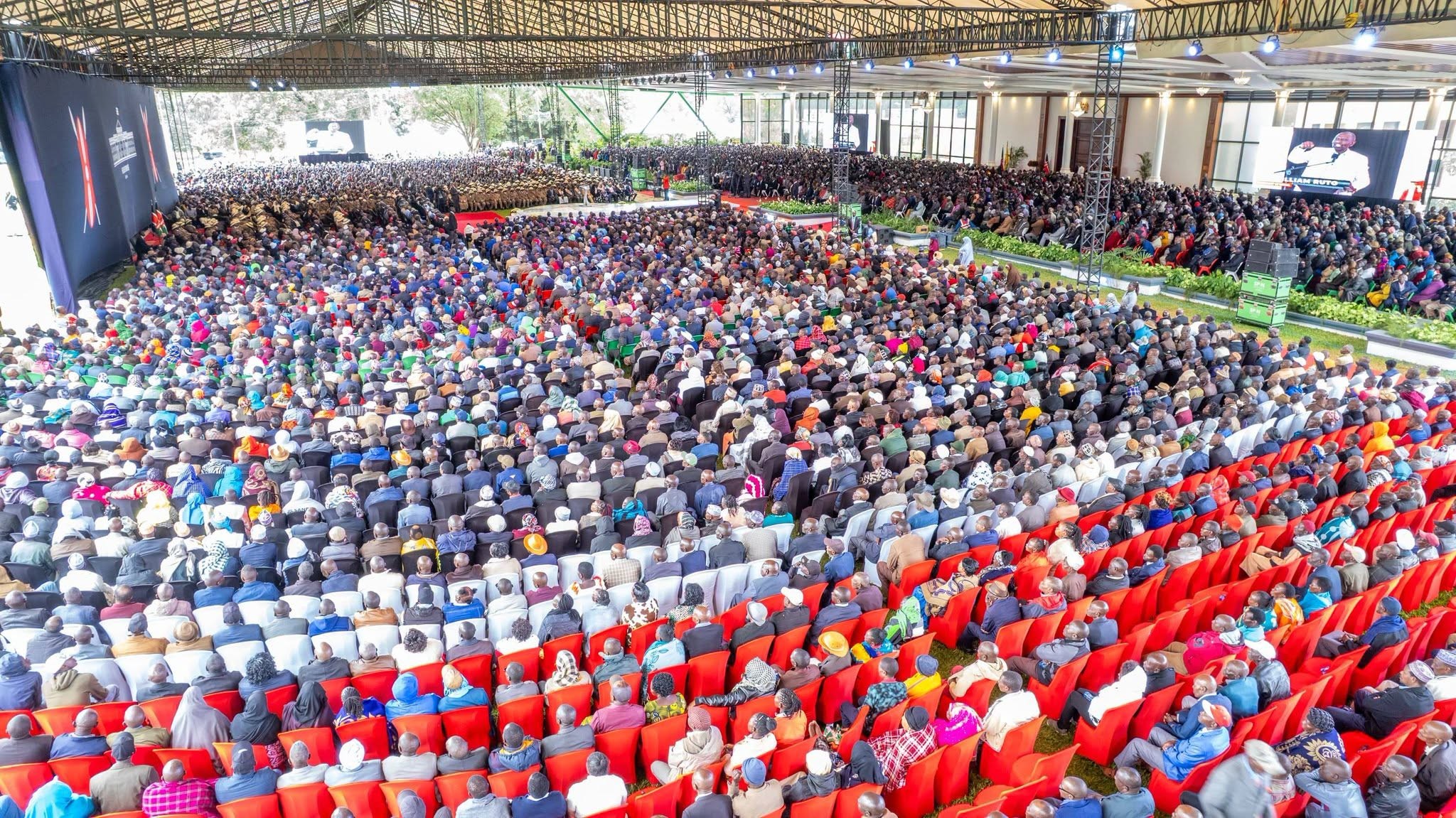
- President William Ruto has hosted village elders at State House, elevating their role in national governance and recognising their grassroots contributions.
- The government has announced a monthly stipend of Sh3,000 for more than 100,000 elders, acknowledging their service and strengthening local administration.
- The meeting has been described as historic, having symbolised inclusion, restored dignity to community leadership, and opened the door for institutional reforms in grassroots governance.
President William Ruto’s meeting with village elders at State House was more than a ceremonial gathering. It was a historic, unprecedented and potentially transformative moment in Kenya’s governance journey. For the first time, the country’s most local and often least recognised community leaders were received at the highest seat of political power – not merely as spectators, but as partners in national development.
The significance of the meeting lies in what it symbolised: the recognition that leadership does not begin in Nairobi. It begins in the village.
For generations, village elders have been the quiet custodians of community life. They have settled family disputes, mediated land disagreements, helped maintain peace, mobilised residents for public initiatives, guided young people, shared government information and acted as the first point of contact between citizens and the state. Yet, despite carrying responsibilities that directly affect social stability, many have served without formal recognition, adequate facilitation or dependable financial support.
The State House meeting therefore elevated the status of village elders from the margins of public administration to the centre of national conversation.
Interior Principal Secretary Raymond Omollo described the engagement as the first occasion on which grassroots leaders had received such recognition at the highest level of government. The elders who attended represented more than 100,000 colleagues serving communities across the country. Their presence at State House was consequently not just personal; it represented thousands of men and women whose work has sustained local governance for decades.
ALSO READ:
PS Olotuaa: 462 students arrested as gov’t cracks down on rising school unrest
The meeting also carried an important message about the meaning of inclusion. Kenya’s governance structure is often viewed from the top down: the President, Cabinet, Parliament, governors, county assemblies and senior administrators. But government becomes real to many citizens through the people they encounter closest to home. In rural villages and informal settlements, the village elder may be the person who knows the families, understands local tensions and responds first when conflict or crisis emerges.
Recognising village elders is therefore an acknowledgement that effective governance depends not only on institutions and laws, but also on trusted human relationships within communities.
The President’s decision to engage the elders may also strengthen the connection between national policy and local realities. Government programmes frequently fail or encounter resistance when they are communicated from distant offices without sufficient grassroots participation. Village elders can help bridge that gap. Because they understand local cultures, family structures, economic conditions and community concerns, they can provide valuable feedback on how government policies are experienced at the village level.
This creates the possibility of a more responsive model of administration—one in which information does not only move from Nairobi to the villages, but also travels from the villages back to Nairobi.
The proposed monthly stipend is equally significant. Recognition without facilitation can easily remain symbolic. Village elders are often expected to attend meetings, respond to disputes, mobilise communities and support government programmes while using their own time and resources. A stipend acknowledges that public service has practical costs and that grassroots leadership should not depend entirely on personal sacrifice.
According to the report, the government announced a monthly stipend of Sh3,000 for more than 100,000 village elders, following earlier commitments to improve their welfare.
Although the amount may be considered modest in the context of rising living costs, its importance goes beyond the figure. It establishes the principle that village elders perform a public function deserving of structured support. It may also improve morale, strengthen accountability and enable elders to carry out their responsibilities more effectively.
However, the impact of this initiative will depend on implementation. The government must ensure that the process of identifying beneficiaries is transparent, inclusive and free from political favouritism. Village elders should not be selected because of party loyalty, personal connections or electoral influence. Their legitimacy must arise from community trust, integrity and service.
Clear criteria will also be necessary. Communities need to know who qualifies as a village elder, what responsibilities are expected and how performance will be monitored. Without proper structures, the stipend could become another political patronage system. With credible guidelines, however, it could professionalise grassroots administration while preserving the community-based character of the institution.
Village Elders as Pillars of Peacebuilding
The meeting also presents an opportunity to rethink the role of village elders in peacebuilding. Kenya continues to face challenges involving land disputes, family conflicts, youth unemployment, insecurity, gender-based violence and political tension. Many of these problems emerge first at the community level. Village elders are often among the earliest people to detect warning signs and intervene before disagreements become major crises.
If properly trained and connected to chiefs, county governments, security agencies and social-service institutions, village elders could become an even stronger early-warning and conflict-resolution network.
Their role should not, however, be reduced to government mobilisation alone. Village elders must remain trusted community representatives rather than becoming political campaign agents. Their credibility depends on fairness and impartiality. They should be able to communicate government programmes while also speaking honestly about the concerns, frustrations and needs of the people.
That two-way responsibility may be the most valuable outcome of the State House meeting.
The historic gathering also restored dignity to a form of leadership that has often been overshadowed by formal politics. In a society where public attention tends to focus on elected leaders, village elders remind the country that leadership is not always accompanied by titles, motorcades or media coverage. Much of the work that keeps communities stable is performed quietly – through mediation, counsel, reconciliation and service.
By bringing village elders to State House, President Ruto symbolically brought the village into the national centre.
ALSO READ: Ruto pledges Ksh600m for Kaimosi University hostels, peace centre
The real test will now be whether the meeting produces lasting institutional change. If the elders receive reliable support, relevant training, clear responsibilities and meaningful participation in governance, the initiative could strengthen Kenya’s administrative foundation. If it remains a one-day ceremony, its historic symbolism may fade.
But if followed by consistent action, the meeting may be remembered as the moment Kenya formally recognised a simple truth: national development is built from the grassroots upward. The village is not the periphery of the republic. It is one of its foundations.
By Ashford Kimani
Ashford is a teacher of English and Literature and writes on education and social affairs.
You can also follow our social media pages on Twitter: Education News KE and Facebook: Education News Newspaper for timely updates.
>>> Click here to stay up-to-date with trending regional stories
>>> Click here to read more informed opinions on the country’s education landscape