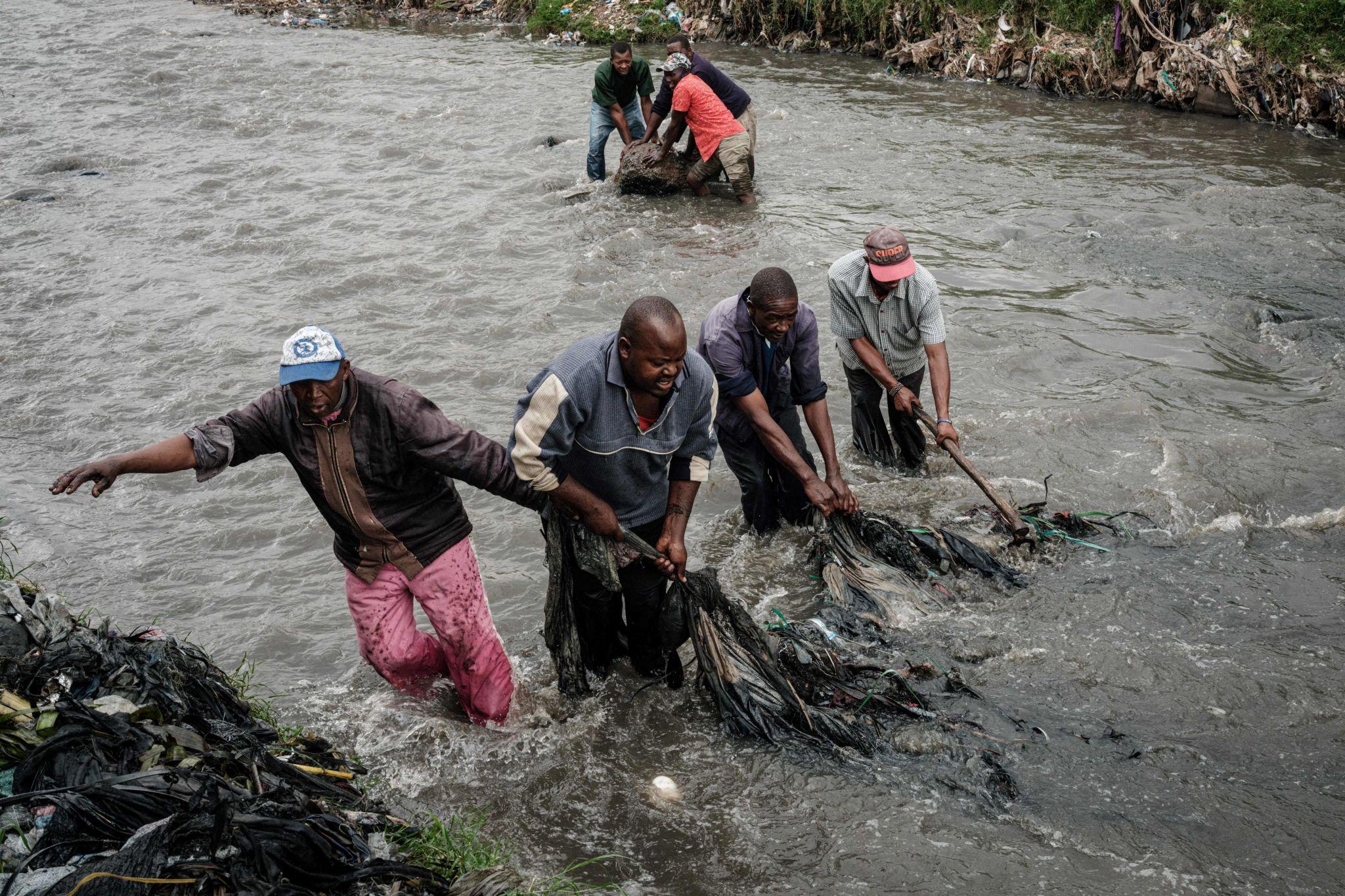
- Ashford Kimani examines how the Nairobi River reflects inequality, environmental injustice and the resilience of vulnerable communities.
- He argues that the polluted river reveals deeper social, economic and governance challenges confronting Nairobi.
- The article calls for restoration efforts that combine environmental conservation with social justice and inclusive development.
A river is never merely a body of water. It is a witness, a keeper of memory and a silent recorder of human history. It carries the stories of the people who live beside it—their labour, suffering, hopes, losses and struggles for dignity. In the story of India’s Meenachil River, the river becomes more than a physical landscape. It reflects a society shaped by caste, exclusion and unequal power. Its waters carry the memories of communities pushed to the margins, while its continued flow becomes a symbol of endurance.
Viewed through this lens, the Nairobi River also tells a profound story of oppression and resilience. Choked by sewage, plastic, industrial waste and urban neglect, it flows through a city divided by wealth and poverty, privilege and exclusion. Its polluted waters reveal not only an environmental crisis but also the human inequalities hidden beneath Nairobi’s modern skyline.
The Nairobi River moves through the heart of a city celebrated for its ambition. Nairobi is a centre of business, technology, education and political power. Glass towers rise above crowded streets, new roads cut across old neighbourhoods and expensive developments continue to reshape the urban landscape. Yet beneath this image of progress flows a river struggling to breathe.
In many places, its waters are dark and slow. Plastic waste gathers along its banks. Untreated sewage enters its channels. Industrial effluent and household refuse turn parts of the river into an open drain. The choking river becomes a painful contradiction: a city that speaks confidently about innovation while allowing one of its most important natural lifelines to deteriorate.
Like the Meenachil River, the Nairobi River exposes the unequal structures within society. The river passes through communities that experience the city in very different ways. In affluent neighbourhoods, residents often enjoy better drainage, reliable sanitation, green spaces and greater protection from environmental hazards. In informal settlements and low-income communities, many families live close to polluted riverbanks because safe and affordable housing is difficult to find.
For them, the river is not a distant environmental concern. It is part of daily life. Children walk beside it on their way to school. Traders work near it. Families endure its smell and live with the danger of floods. When heavy rains come, the river often turns from a polluted channel into a destructive force, sweeping into homes and displacing those who have the fewest resources to recover.
The oppression reflected in the Nairobi River is therefore not always deliberate or visible. It is embedded in systems that determine who receives clean water, safe housing, proper sanitation and protection from environmental danger. The river does not create these inequalities. It reveals them.
It carries the waste of a prosperous city through communities that may not benefit from that prosperity. The people who contribute least to large-scale pollution often suffer most from its consequences. In this sense, the river becomes a map of environmental injustice.
Pollution, poverty and environmental justice
Its polluted waters also tell the story of labour. Nairobi is built and sustained by workers who travel daily from crowded estates and informal settlements to offices, homes, markets, construction sites and industries. Many of these workers return each evening to neighbourhoods where infrastructure is inadequate and environmental risks are high. The river flows close to communities whose residents clean the city, construct its buildings and provide essential services, yet are often denied the dignity of safe living conditions. Like the Meenachil, the Nairobi River becomes a witness to people whose work is visible but whose suffering is frequently ignored.
The river also remembers displacement. Whenever authorities attempt to reclaim river corridors, the question of environmental restoration becomes entangled with the question of human survival. Removing structures from riverbanks may be necessary to reduce flooding and protect waterways, but the process becomes painful when families are displaced without adequate alternatives. A city cannot restore a river by simply transferring vulnerability from the waterway to the streets. Environmental justice must include social justice. The people living near the river should not be treated merely as obstacles to conservation. They are citizens whose lives, livelihoods and dignity must be considered in every restoration plan.
Yet, as the Meenachil River represents endurance amid oppression, the Nairobi River also tells stories of resilience. Despite years of pollution and neglect, it continues to flow. Along its banks, communities continue to rebuild after floods. Young people organise clean-up campaigns. Environmental groups plant trees, remove waste and demand accountability. Residents speak about the river not only as a source of danger but also as a resource that could be restored. Their actions challenge the belief that the river is beyond saving.
This resilience is especially powerful because it emerges in places where hardship is greatest. Communities living beside polluted waterways often possess detailed knowledge of the river. They know where flooding begins, where waste accumulates and which sections have become most dangerous. Their experience is essential to restoration. Yet environmental programmes are sometimes designed in offices far from the river, with little participation from the people who live closest to it. A meaningful recovery must listen to these communities. They should not merely receive instructions; they should help shape the future of the river.
Restoring the river, restoring justice
The Nairobi River also tells a story of nature’s stubborn capacity to survive. Even in polluted sections, life persists. Birds return to certain areas. Vegetation grows along the banks. Water continues to move through the city despite the waste poured into it. This endurance should not be used as an excuse for continued neglect. Instead, it should be understood as an opportunity. If the river can survive decades of abuse, then determined action may allow it to recover.
But restoration cannot be reduced to occasional clean-up exercises. Removing plastic from the river is important, yet the waste will return if the systems producing it remain unchanged. The city needs effective sewerage infrastructure, responsible industrial practices, reliable waste collection and strict enforcement of environmental laws. It must protect wetlands, prevent further encroachment and develop safe housing for vulnerable communities. Restoration must address the causes of pollution rather than only its visible consequences.
The lessons suggested by the Meenachil River are therefore deeply relevant to Nairobi. Rivers are shaped by the societies through which they flow. They absorb the consequences of inequality, greed and neglect, but they also preserve evidence of courage, community and hope. The Nairobi River is not simply a polluted waterway. It is a living record of the city’s contradictions. It reflects the distance between Nairobi’s promises and the realities experienced by many of its people.
Its waters carry stories of oppression because they reveal who is forced to live with pollution, who is exposed to floods and whose voices are ignored when decisions are made. But they also carry stories of resilience because communities continue to survive, organise and imagine renewal. The river’s continued flow is a reminder that destruction is not always final.
To save the Nairobi River would be to do more than clean water. It would mean confronting inequality, protecting vulnerable communities and redefining development. It would mean recognising that a modern city is not judged only by the height of its buildings but also by how it treats its rivers and its people.
READ ALSO: Kisii, Nyamira teachers mourn death of Enkinda Senior School principal
Like the Meenachil, the Nairobi River is wounded, but it continues to speak. Its polluted waters tell of oppression. Its persistent flow tells of resilience. The question is whether Nairobi will listen—and whether the city will allow its river to breathe again.
By Ashford Kimani
Ashford Kimani is a teacher of English and Literature and writes on education and social affairs.
You can also follow our social media pages on Twitter: Education News KE and Facebook: Education News Newspaper for timely updates.
>>> Click here to stay up-to-date with trending regional stories
>>> Click here to read more informed opinions on the country’s education landscape
>>> Click here to stay ahead with the latest national news.