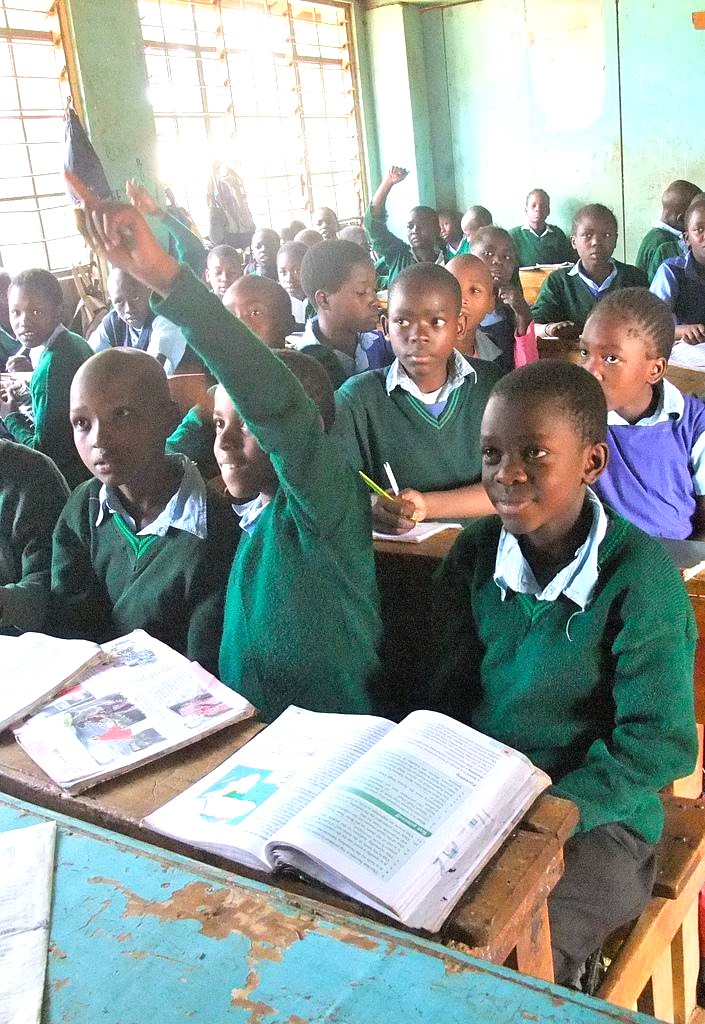
- Persistent delays and shortfalls in government capitation are pushing public schools into mounting debt across Kenya.
- School heads say inadequate funding has disrupted learning, strained supplier relationships and stalled infrastructure projects.
- Stakeholders are urging the government to prioritise timely and full capitation disbursements to safeguard free public education.
Public schools across Kenya are grappling with one of the worst financial crises in recent years as persistent capitation deficits continue to cripple their operations. From primary schools to junior schools and secondary institutions, delayed and inadequate government funding has left school administrators struggling to keep classrooms running, settle outstanding bills and sustain quality learning.
The crisis has exposed the fragile financial foundation upon which Kenya’s public education system rests. Institutions that depend almost entirely on government capitation are increasingly finding themselves trapped in mounting debts, forcing principals and headteachers to make difficult decisions that directly affect teaching, learning and the welfare of millions of learners.
Capitation remains the backbone of free public education. The funds are intended to finance tuition, learning materials, examinations, utilities, infrastructure maintenance, co-curricular activities and other essential operational expenses. However, school managers say the amounts released have consistently fallen below approved allocations and are often disbursed months behind schedule, making prudent financial planning nearly impossible.
The consequences have been severe. Schools that once enjoyed stable relationships with suppliers now face growing mistrust as unpaid invoices continue to accumulate. Suppliers of foodstuffs, stationery, laboratory chemicals, textbooks, furniture and fuel are increasingly reluctant to extend credit, with some suspending deliveries altogether after waiting months for payment.
The extent of the crisis is perhaps best captured by the experience of one secondary school principal, who requested anonymity for fear of reprisals. The administrator revealed that the school has accumulated millions of shillings in pending bills after several consecutive capitation disbursements failed to match budgeted allocations.
“Every term begins with hope that the government will release enough funds for us to settle pending bills, but we end up receiving less than what was budgeted and often much later than expected,” the principal said.
“We owe suppliers for food, laboratory chemicals, stationery, electricity, water and even routine maintenance. Some suppliers have stopped delivering essential goods unless we make partial payments first. We are constantly negotiating with creditors simply to keep the school operating.”
According to the principal, managing a public school has increasingly become an exercise in crisis management rather than educational leadership.
“Many people assume schools are fully funded, but that is far from the truth. We spend countless hours pleading with suppliers not to abandon us because our students still need meals, learning materials and practical lessons. The debt burden has become overwhelming, and unless funding improves, many institutions will sink even deeper into financial distress,” the principal added.
Learning and infrastructure under pressure
The funding squeeze has also placed immense pressure on the provision of essential services. Many schools are struggling to pay electricity and water bills, maintain sanitation facilities, repair classrooms and service school buses. Routine maintenance projects have been postponed indefinitely as scarce resources are redirected to immediate operational needs.
The impact extends directly to learners. Practical subjects requiring laboratory experiments and specialised equipment have become increasingly difficult to deliver because of shortages of essential materials. Co-curricular programmes, educational trips, sports competitions and talent development activities have been scaled down in many institutions as administrators prioritise core operations.
Boarding schools have been particularly affected. Rising food prices, coupled with delayed capitation, have strained school feeding programmes, compelling principals to renegotiate payment terms with suppliers or rely on temporary credit arrangements. While administrators strive to ensure that learners continue receiving meals, the growing debt burden has cast doubt on the sustainability of these measures.
Education stakeholders warn that the prolonged financial strain threatens to undermine the objectives of free and equitable education. They argue that schools cannot effectively implement the Competency-Based Education (CBE) curriculum without adequate and predictable funding. Modern learning requires sufficient teaching resources, digital infrastructure, practical learning materials and continuous assessment tools, all of which depend on reliable financial support.
The crisis has also slowed infrastructure development in many institutions. Construction of classrooms, laboratories, libraries, dormitories and sanitation facilities has stalled as schools prioritise settling existing debts over initiating new projects. In fast-growing schools, overcrowding continues to worsen because of inadequate investment in physical infrastructure.
Parents are also beginning to feel the indirect effects of the funding shortfall. Some schools have appealed for voluntary support towards activities previously financed through capitation, while others have scaled back non-core programmes to reduce expenditure. These measures have raised concerns about equity and the sustainability of free public education.
Education experts maintain that predictable financing is fundamental to effective school management. Without timely and adequate capitation, they argue, institutions cannot prepare procurement plans, maintain facilities, recruit support staff or provide quality education without disruption.
School heads have repeatedly urged the National Treasury and the Ministry of Education to prioritise the timely and full release of capitation funds. They contend that prompt disbursement would enable schools to honour contractual obligations, restore suppliers’ confidence and stabilise institutional finances.
Members of Parliament have also expressed concern over the worsening financial situation, warning that continued underfunding could compromise curriculum implementation, learner welfare and preparedness for national examinations. Legislators have called for increased investment in education, arguing that sustainable financing remains critical to the country’s social and economic development.
As Kenya continues pursuing universal access to quality education, stakeholders believe resolving the capitation crisis must become an urgent national priority. Without sustainable and predictable financing, public schools will remain trapped in a vicious cycle of debt, limiting their ability to provide a conducive learning environment and achieve the aspirations of education reforms.
READ ALSO: KNUT calls for urgent road safety measures on Narok–Bomet Highway
The mounting debts confronting public schools serve as a stark reminder that quality education depends not only on progressive policies but also on adequate and reliable financial investment. Unless the capitation deficit is urgently addressed, many institutions risk sinking deeper into financial distress, jeopardising educational standards and the future of millions of Kenyan learners.
By Hillary Muhalya
You can also follow our social media pages on Twitter: Education News KE and Facebook: Education News Newspaper for timely updates.
>>> Click here to stay up-to-date with trending regional stories
>>> Click here to read more informed opinions on the country’s education landscape