- Leadership is not defined by titles or authority but by the ability to inspire, develop and transform people.
- Transformational leadership empowers individuals through integrity, vision, innovation and personal growth.
- Organisations, schools and communities thrive when leaders focus on developing people rather than exercising power.
Leadership has never been about occupying an office. It has never been defined by a title on a business card, a reserved parking space, an impressive designation or the authority to issue instructions. Such privileges may give a person power, but power alone does not make one a leader. True leadership is revealed in influence—in the ability to transform lives, shape culture, inspire purpose and leave people better than they were before they encountered us.
At its highest expression, leadership is not about controlling people; it is about developing them. It is not about commanding attention; it is about creating conditions in which others can grow, contribute and flourish. That is why transformational leadership remains one of the most relevant and necessary leadership models of our time.
Whether one leads a family, a classroom, a school, a business, a church, a government institution or a community organisation, one question should continually guide every decision, conversation and action: Are people becoming better because of my leadership?
That question captures the heart of transformational leadership. Leadership is not measured merely by the number of people who report to us, the size of the institution we manage or the authority attached to our position. Its true measure is found in the number of lives that grow, the people who discover their potential and the communities that become stronger because we chose to lead well.
The Four I’s of transformational leadership
Leadership scholars describe transformational leadership through four essential practices commonly known as the Four I’s: Idealized Influence, Inspirational Motivation, Intellectual Stimulation and Individualized Consideration. Although these concepts may sound academic, they describe what many of history’s most effective leaders have consistently done.
They model the values they expect from others. They inspire people with a compelling vision. They encourage creativity and challenge outdated assumptions. Above all, they invest personally in the growth and development of those they lead. Together, these four practices create a leadership culture in which people are not merely managed but empowered.
The first pillar is Idealized Influence. People follow leaders they respect long before they follow leaders they are required to obey. Genuine influence is built less by what leaders say and more by who they are. Teams observe how leaders respond under pressure, how they treat people who cannot advance their careers, whether they honour their commitments and whether they remain consistent when no one is watching.
Integrity is not an accessory to leadership; it is its foundation. History repeatedly reminds us that gifted leaders rarely fail because they lacked intelligence, talent or technical competence. More often, they fail because they neglected character. Competence may earn a person a position, but character earns trust.
The second pillar is Inspirational Motivation. People rarely give their best to leaders who merely assign tasks and monitor performance. They willingly commit themselves to leaders who help them understand the purpose behind their work. Vision gives meaning to sacrifice. It transforms routine responsibilities into contributions toward something greater than individual success.
Leadership that inspires growth
The greatest leaders do not simply communicate goals; they communicate hope. They help people believe that tomorrow can be better than today and that every member of the team has a meaningful role in creating that future.
The third pillar is Intellectual Stimulation. Transformational leaders create environments in which people can think freely, propose new ideas, solve problems creatively and disagree respectfully without fear of humiliation or punishment. They recognise that improvement requires people who are willing to examine assumptions, challenge ineffective practices and imagine better possibilities.
The fourth pillar is Individualized Consideration, perhaps the most personal dimension of transformational leadership. Effective leaders understand that treating everyone fairly does not necessarily mean treating everyone identically. They take time to understand the unique needs of individuals and help each person grow according to their abilities and potential.
Some people need encouragement. Others need challenge. Some require mentoring, guidance and constructive feedback. Others may simply need someone who believes in them before they learn to believe in themselves. Transformational leaders invest time in coaching, listening, mentoring and developing others because they understand that leadership is ultimately about people.
Transforming people, transforming society
This is perhaps the greatest difference between positional leadership and transformational leadership. Positional leaders ask, “How can people help me succeed?” Transformational leaders ask, “How can I help people succeed?” That single shift in perspective can change an entire organisational culture.
Transformation, however, also demands courage. Leadership inevitably involves difficult conversations, unpopular decisions, uncomfortable truths and moments when standing for what is right may come at a personal cost. Courage, however, must always be balanced with compassion.
The future will not belong to leaders who simply manage systems, protect titles and preserve routines. It will belong to leaders who embody the Four I’s every day: leaders whose character earns trust, whose vision inspires commitment, whose curiosity unlocks innovation and whose personal investment develops others.
At the end of every leadership journey, people will not primarily remember the reports we wrote, the meetings we chaired, the budgets we approved or the titles we held. They will remember how we made them feel, how we treated them when they struggled, how we believed in them when they doubted themselves, how we challenged them to become better and how our leadership gave them the confidence to achieve what they once thought impossible.
That is the essence of transformational leadership. It does more than accomplish tasks. It does more than maintain systems. It does more than preserve authority.
READ ALSO: Machakos civil society gives county assembly 24-hour ultimatum over delayed 2026/2027 budget
It transforms people.
And in transforming people, it transforms families, schools, organisations, communities and ultimately nations.
The leadership shift that changes everything begins when leaders stop asking, “What can people do for me?” and begin asking, “Who can people become because I chose to lead?”
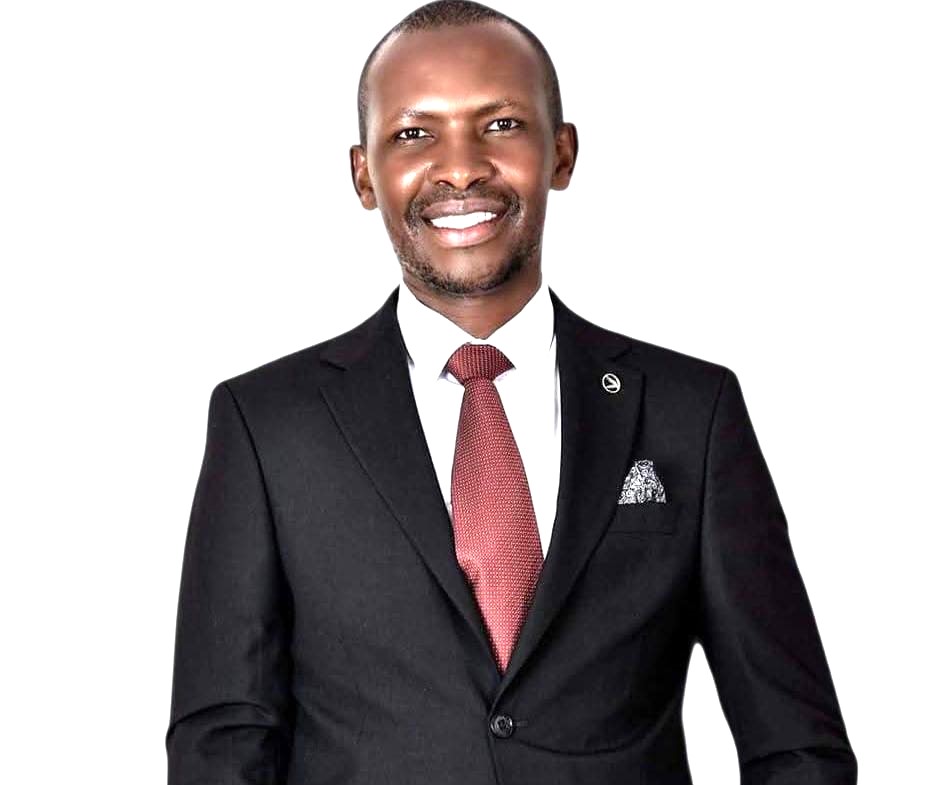
By Maingi M’Thuranira
M’Thuranira is a leadership facilitator, educator and mentor.
You can also follow our social media pages on Twitter: Education News KE and Facebook: Education News Newspaper for timely updates.
>>> Click here to stay up-to-date with trending regional stories
>>> Click here to read more informed opinions on the country’s education landscape