- Director Wabwile Simiyu has called on TVET institutions to embrace digital innovation and industry partnerships to prepare learners for a technology‑driven economy.
- He stressed the importance of entrepreneurship, communication, problem‑solving, and interpersonal skills alongside technical competence to meet modern job market demands.
- Simiyu highlighted TVET Act 2013 reforms, increased enrolment, CBET’s practical training model, and UNESCO’s recognition of government‑industry collaboration as key drivers of sector transformation.
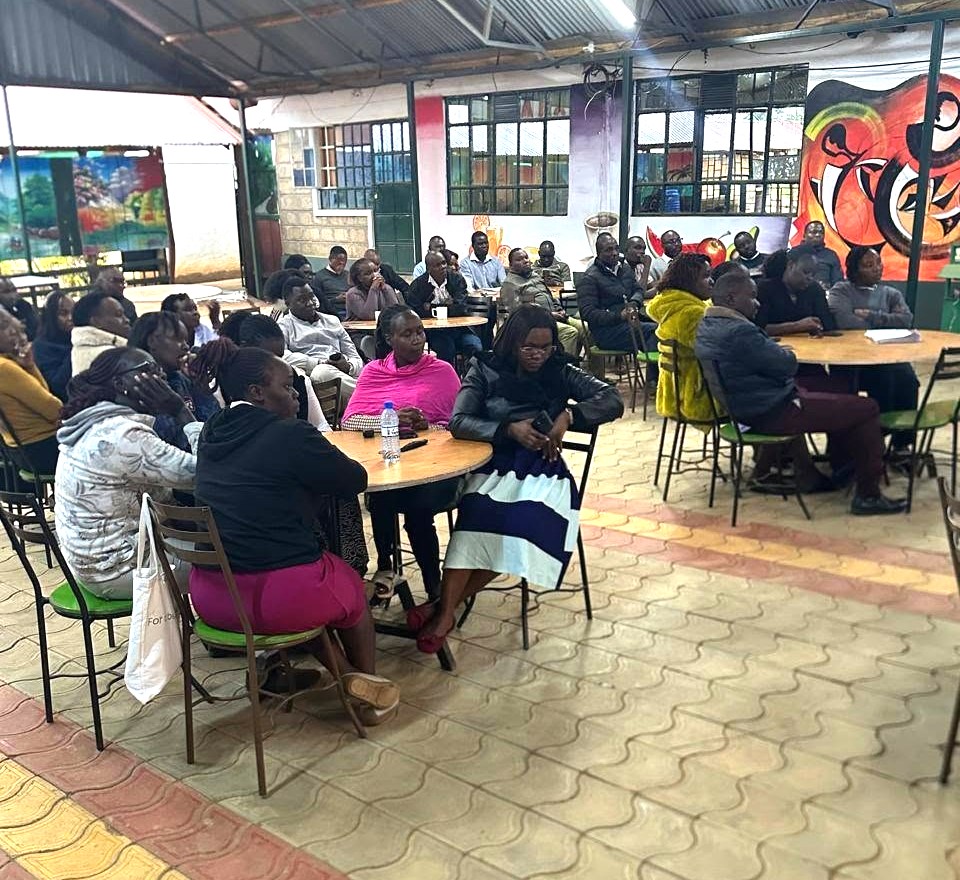
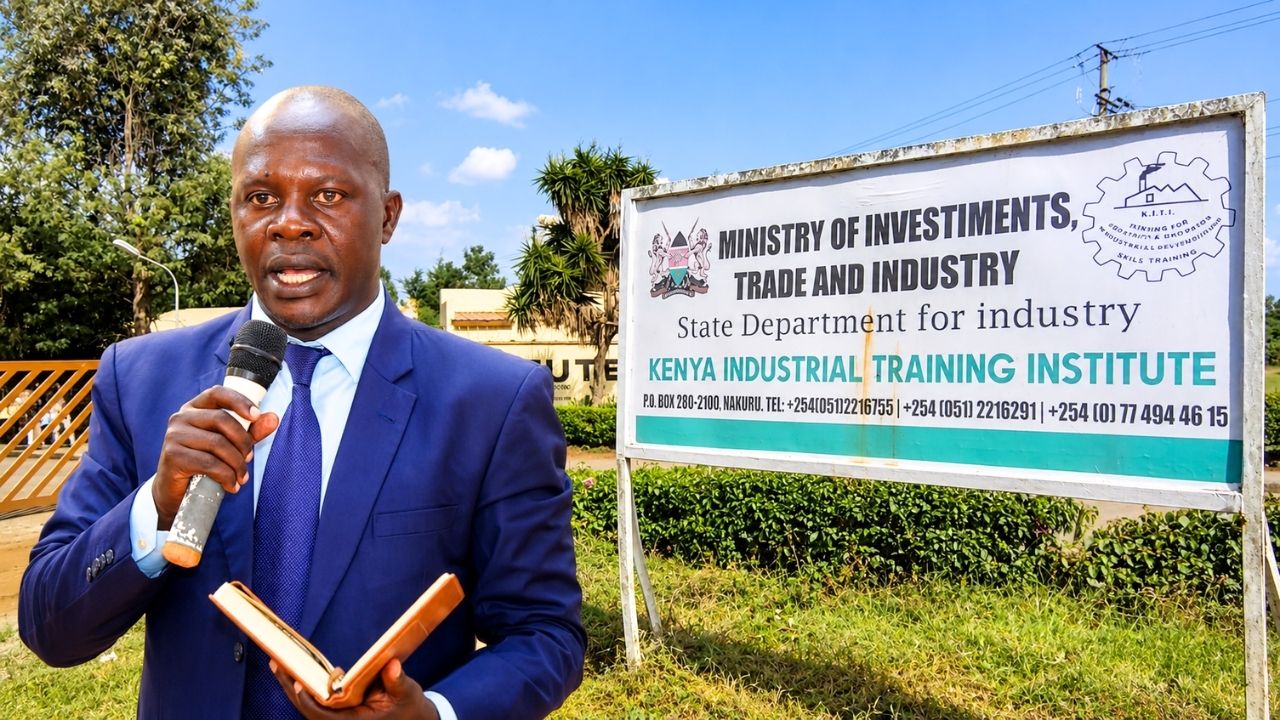
The Kenya Industrial Training Institute (KITI) has urged Technical and Vocational Education and Training (TVET) institutions to embrace digital innovation and strengthen partnerships with industry, arguing that learners must be equipped with skills suited to an increasingly technology-driven economy.
KITI Director Engineer Wabwile Simiyu said rapid technological advancement is reshaping sectors such as manufacturing, agriculture, logistics and building management, creating growing demand for workers with modern technological competencies.
Beyond technical know-how, Simiyu called for greater emphasis on entrepreneurship, communication, problem-solving, time management and interpersonal skills, arguing that technical competence alone is no longer sufficient to succeed in today’s job market.
“Partnership with private sector can address the shortage of skills in the industry, particularly the gaps in training between what is coming out of school and what we need in the market,” Simiyu said.
ALSO READ:
Chuka University awarded KSh191 million EU grant for research initiative
KITI operates under the Ministry of Investments, Trade and Industry as a state-owned vocational and entrepreneurship centre, designed specifically to bridge the gap between the skills produced by training institutions and the demands of modern industry.
Simiyu said institutions should dedicate more time to industry attachments as a way of giving learners hands-on experience, while also forging stronger linkages with manufacturing firms and service-sector businesses. “At KITI, we are committed to ensuring that training offered to our students is strengthened so that what is coming out is what is required in the industry. The common denominator of industrial economies is that they have invested heavily in education systems that strongly emphasize technical skills,” he said.
According to Simiyu, reforms introduced under the Technical and Vocational Education and Training Act of 2013 have significantly transformed the sector by establishing a more supportive policy and regulatory framework. He noted that increased government funding, stronger regulation and sustained awareness campaigns have driven a sharp rise in enrolment, with student numbers nearly tripling over the past decade.
ALSO READ:
From a prison cell to lecture hall: Mwendwa Kilatya joins Africa Nazarene University
He attributed this growth to institutions increasingly offering market-oriented programmes, a shift that followed the establishment of the Technical and Vocational Education and Training Authority (TVETA) and the Curriculum Development, Assessment and Certification Council (CDACC), both of which oversee curriculum development, assessment and certification within the sector.
Simiyu further cited UNESCO’s recognition of collaboration between governments, TVET institutions and the private sector as a key driver in building a skilled industrial workforce, noting that Competency-Based Education and Training (CBET) requires trainees to spend at least 75 per cent of their learning period in practical training, with only 25 per cent dedicated to classroom instruction, in order to enhance workplace readiness.
KITI has also positioned itself as one of the leading institutions offering recognised certification for informally trained artisans, including mechanics, tailors and carpenters.
By Jonathan Mwinzi
You can also follow our social media pages on Twitter: Education News KE and Facebook: Education News Newspaper for timely updates.
>>> Click here to stay up-to-date with trending regional stories
>>> Click here to read more informed opinions on the country’s education landscape