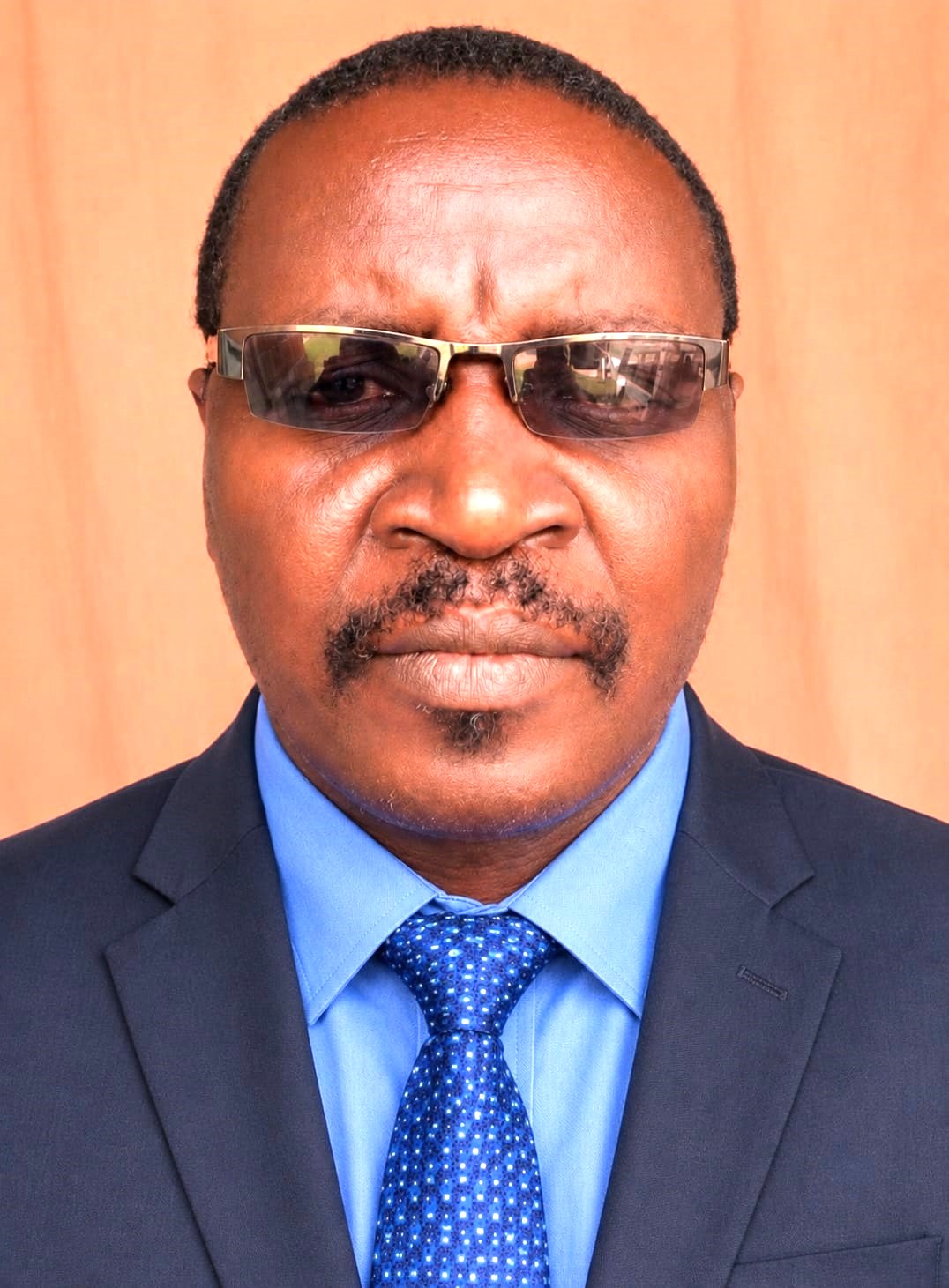
- Academic excellence alone does not guarantee effective university leadership, argues Prof. S. M. Obuchi.
- The author calls for competent institutional management to restore Moi University’s stability and public confidence.
- He urges respectful leadership, accountability and honest reforms as the university confronts ongoing challenges.
Having served as a university lecturer for more than 27 years in both private and public institutions, I have learned one enduring lesson: institutions rise or fall largely because of the quality of their leadership.
Beyond teaching, I have had the privilege of engaging with distinguished scholars through organisations such as the World Futures Studies Federation (WFSF) and the Kenya National Academy of Sciences (KNAS). These interactions have reinforced a simple truth—great institutions are remembered not because of the academic titles their leaders held, but because of the transformations those leaders achieved.
Whenever eminent scholars introduce themselves at international conferences, they rarely dwell on the number of degrees they possess. Instead, they speak proudly about the universities they transformed, the reforms they initiated and the legacies they left behind.
That is why names such as Prof. Ratemo Michieka and Prof. Raphael Munavu continue to command respect. Whether one agrees with every decision they made is secondary. Their leadership is remembered because of the institutions they helped build.
The leadership question
Moi University once stood among Kenya’s leading universities, admired for academic excellence, financial stability and institutional prestige.
Today, however, the university faces significant challenges.
One of the assumptions increasingly evident within higher education is that attaining the rank of professor automatically qualifies one to manage a complex university.
Academic distinction is important, but effective university leadership demands much more.
Managing a university requires strategic planning, financial management, institutional governance, conflict resolution, communication skills and the ability to inspire confidence among staff, students and stakeholders.
Lessons from global universities
I vividly recall conversations with the late Prof. Peter Amuka and Prof. C.J. from the Department of Literature at Moi University.
Drawing from their extensive exposure to universities in Europe and North America, they often observed that many internationally respected universities deliberately separate academic excellence from institutional management.
Several highly successful institutions appoint administrators primarily because of proven leadership and managerial competence rather than academic credentials alone.
Their message was straightforward: universities flourish when competent managers are entrusted with management.
The current situation at Moi University invites difficult but necessary questions.
Have those entrusted with leading the institution received adequate preparation for the enormous responsibilities they shoulder?
If leadership structures are functioning effectively, why does the university continue facing financial strain, declining public confidence and operational challenges?
Why do some lecture classes still accommodate more than 1,500 students without functioning public address systems?
Why do professional schools continue experiencing lecturer shortages while discussions increasingly focus on staff rationalisation?
Equally concerning was the public characterisation of lecturers as “parasites.”
As my respected teacher, Prof. Jay Kitsao, frequently reminded us while teaching Stylistics, “Mtindo ni mtu; ni uteuzi”—style reflects the individual through the choices one deliberately makes.
Words matter.
When university leaders publicly describe lecturers as parasites, important questions inevitably arise.
Who exactly are these individuals? How many are they? How were they recruited? What objective evidence links them to the university’s financial challenges?
Without clear answers, such language risks unfairly diminishing an entire profession while diverting attention from broader governance and management concerns.
Loyalty through constructive criticism
As members of the Moi University community, we must remain optimistic because the institution is greater than any individual or administration.
However, optimism should never require silence.
Constructive criticism represents loyalty, not hostility.
Moi University deserves leaders with vision, courage, managerial competence and the humility to pursue solutions rather than assign blame.
Such leaders may indeed be professors.
Equally, the university should never hesitate to appoint individuals with different academic backgrounds if they can convincingly demonstrate the leadership capacity required to restore institutional stability.
Universities are transformed by leadership—not titles.
Leadership also requires humility.
A wise captain recognises when the storm has become overwhelming and, for the sake of the passengers, allows another equally capable sailor to take the helm.
There is honour in placing the institution above personal ambition.
I remain hopeful that Moi University can rise again.
READ ALSO: TSC flags circulating SRC memo on proposed teacher CPG review as fake
That journey, however, must begin with honest diagnosis, responsible leadership, respectful communication and a collective commitment to rebuilding one of Kenya’s great universities.
May God have mercy upon Moi University.
By Prof. S. M. Obuchi, PhD, MKNAS, WFSF
You can also follow our social media pages on Twitter: Education News KE and Facebook: Education News Newspaper for timely updates.
>>> Click here to stay up-to-date with trending regional stories
>>> Click here to read more informed opinions on the country’s education landscape